
Discover the best Tanzania safari vehicles, from classic 4×4 pop-up roofs to luxury, open-sided and photographic safari vehicles, with comfort and safety tips.
When planning a Tanzania safari, most travelers spend considerable time choosing which national parks to visit, where to stay and when to travel. One important part of the safari experience is sometimes overlooked: the vehicle you will spend many hours using to explore the wilderness.
A safari vehicle is much more than transportation between your lodge and the national park. It becomes your viewing platform, photography space, shelter from the elements and comfortable base during long game drives.
The right vehicle can make it easier to observe wildlife, take photographs, enjoy long hours in the bush and travel comfortably across Tanzania’s sometimes challenging park roads. The wrong vehicle configuration can have the opposite effect, particularly for travelers who are serious about photography or expect a higher level of comfort.
Tanzania uses a variety of safari vehicles, but the most common purpose-built option for conventional wildlife safaris is a 4×4 safari vehicle with a pop-up roof, particularly in the Northern Circuit. Other configurations include luxury safari vehicles, open-sided vehicles and specialized photographic safari vehicles.
This guide explains the main Tanzania safari vehicles, what they offer, how they differ and what travelers should consider before booking a safari.
What Is a Tanzania Safari Vehicle?
A Tanzania safari vehicle is a vehicle specially adapted for wildlife viewing and travel on the roads and tracks found within and around safari destinations.
Unlike an ordinary road vehicle, a purpose-built safari vehicle is designed to provide a combination of four-wheel-drive capability, ground clearance, visibility, passenger comfort and wildlife viewing access.
Many safari vehicles are based on Toyota Land Cruiser platforms because they are well suited to Tanzania’s terrain and can be modified for safari use.
The exact specification varies between safari operators. Some vehicles are designed primarily for practical wildlife viewing, while others have upgraded interiors, additional passenger space or specialized equipment for photography.
The most important point for travelers is that not every safari vehicle is configured the same way, even when two operators both advertise a “4×4 Land Cruiser.”

Why Is the Safari Vehicle So Important?
A typical safari day can involve many hours in the vehicle.
You may leave your lodge early in the morning, spend several hours exploring the park, stop for wildlife sightings, have lunch in the bush and continue exploring until later in the afternoon.
During this time, the vehicle affects your view, seating position, ability to photograph wildlife, exposure to dust and weather, personal space and overall comfort.
The vehicle also determines how effectively your guide can position you for wildlife viewing.
A well-maintained 4×4 with good visibility and appropriate seating can make a long game drive much more enjoyable. For photographers, vehicle design becomes even more important because the position of the seats, roof, windows and camera supports can directly affect the quality of photographs.
This is why the question “What safari vehicle will we use?” is worth asking before booking a Tanzania safari.
Classic Safari Vehicles in Tanzania
For many travelers, the classic Tanzania safari vehicle is a purpose-built 4×4 with a pop-up roof.
This configuration has become closely associated with the traditional East African safari experience.
The vehicle normally has a raised viewing roof that can be opened when the vehicle is stationary or during appropriate wildlife-viewing situations. Passengers can stand or sit beneath the raised roof and enjoy a much wider view of the surrounding landscape.
This is particularly useful when watching animals in tall grass or observing wildlife from different directions.
The 4×4 platform also provides the ground clearance and traction needed for the rougher roads and tracks encountered in many safari areas. Some routes can become muddy or difficult after rain, making a capable vehicle an important part of the safari operation.
The Pop-Up Roof: One of the Most Important Features
The pop-up roof is one of the defining features of a classic Tanzania safari vehicle.
When raised, it allows passengers to stand and look over the vehicle rather than viewing wildlife only through side windows.
This provides a much wider field of vision and makes it easier to follow animals as they move through the landscape.
It is also extremely useful for photography because there is no side window between the camera and the subject when photographing through the raised roof opening.
Another advantage is that the roof provides shade while allowing passengers to remain standing for wildlife viewing.
For a first-time safari traveler, this simple feature can make a surprisingly large difference to the experience.
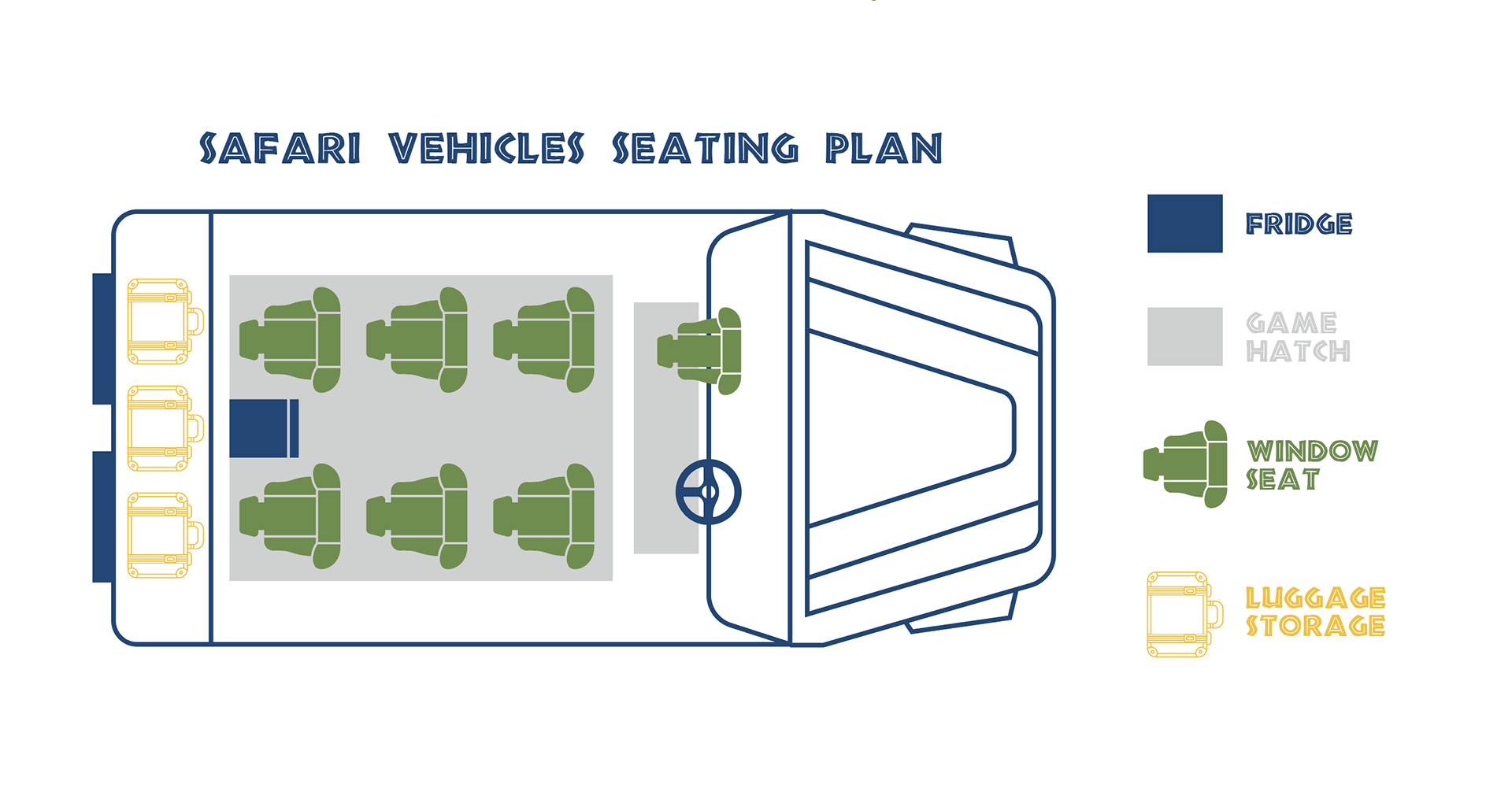
Window Seats Matter
The roof is important, but seating configuration is equally worth considering.
Travelers should ideally have good access to a window or viewing position rather than being squeezed into the middle of a crowded row.
The number of passengers in the vehicle can affect how much personal space each traveler has and how easily everyone can move or photograph during wildlife sightings.
For couples, families or photography-focused travelers, a private vehicle can provide considerably more flexibility than sharing with a full group.
When requesting a safari quotation, it is therefore useful to ask not only whether a vehicle has a pop-up roof, but also how many passengers will normally share it.
Luxury Safari Vehicles in Tanzania
A luxury Tanzania safari is not defined only by the lodge or tented camp.
For travelers booking a premium safari, the vehicle can also be upgraded to provide a more comfortable and private experience.
Luxury safari vehicles may feature more spacious seating, upgraded interiors, additional legroom, charging facilities, cool storage for drinks, improved suspension and other comfort-focused features.
The exact specification varies considerably between operators, so “luxury safari vehicle” should not be treated as a standardized category.
For some travelers, luxury means having a private 4×4 with plenty of space. For others, it means upgraded seats, fewer passengers, onboard refreshments, charging facilities and a smoother overall experience.
Private Safari Vehicles
One of the most valuable vehicle upgrades for many travelers is simply having the vehicle exclusively for their own group.
A private safari vehicle allows the itinerary to be more flexible.
A couple can spend longer at a lion sighting without worrying about other passengers’ preferences. A family can adjust the day’s pace according to the children. Photographers can spend additional time waiting for the right light or animal behavior.
Private vehicles are particularly useful for honeymooners, families, small groups and travelers with specific interests.
Comfort on Long Game Drives
Comfort becomes especially important when a safari involves long driving days.
Good seating, sufficient legroom, sensible passenger numbers, shade and good ventilation can make a major difference.
A safari vehicle should also be clean and well maintained. Suspension and seating quality matter because many park roads are uneven and game drives can involve considerable time on gravel, dirt and rough tracks.
A comfortable safari vehicle does not mean that you will never feel bumps. Tanzania is a wilderness destination, and some roads are naturally rough. The objective is to have a vehicle that is properly prepared for those conditions and provides reasonable comfort throughout the journey.
Open-Roof and Open-Sided Safari Vehicles
Travelers sometimes use the terms open-roof and open-sided interchangeably, but they can describe different vehicle configurations.
A classic pop-up-roof vehicle normally has enclosed sides with windows and an opening roof.
An open-sided safari vehicle, by contrast, can have large openings along the sides, sometimes with no conventional glass windows separating passengers from the surrounding environment.

Fully or partially open vehicles are particularly associated with certain private concessions, camps and safari areas, and the exact configuration depends on the destination and operator.
Advantages of Open-Sided Safari Vehicles
An open-sided vehicle can provide an extremely immersive safari experience.
There is less separation between you and the surrounding landscape, making it easier to hear birds, feel the breeze and photograph wildlife without shooting through glass.
For photographers, the absence of window glass can reduce reflections and provide greater freedom when composing photographs.
The experience can feel particularly intimate during early morning and evening drives.
However, open-sided vehicles also expose passengers more directly to dust, wind, cold temperatures and rain. Their suitability therefore depends on the destination, season and type of safari.
Pop-Up Roof vs Open-Sided Vehicle
Neither configuration is automatically better for every traveler.
A pop-up-roof vehicle provides an excellent balance between wildlife viewing and protection from the elements. The roof can be opened for game viewing and photography while the vehicle’s sides provide greater protection from dust, wind and cooler weather.
An open-sided vehicle offers a more exposed and immersive experience, but travelers should be prepared for changing weather and more exposure to the environment.
For a classic Northern Tanzania safari, a well-equipped pop-up-roof 4×4 is an excellent all-round choice.
For a specialized or luxury safari in an area where open vehicles are appropriate, an open-sided configuration can offer a memorable alternative.
Photographic Safari Vehicles in Tanzania
For serious wildlife photographers, the safari vehicle is not simply transportation. It is effectively a mobile photography platform.
A standard safari vehicle can work very well for photography, particularly when it has a pop-up roof, good visibility and limited passenger numbers.
However, a dedicated photographic safari vehicle can be configured specifically around the needs of photographers.
The difference is not necessarily the vehicle brand. It is the way the interior and viewing positions are designed.
What Makes a Good Photographic Safari Vehicle?
A photographic vehicle should provide photographers with enough room to handle cameras and lenses without constantly disturbing other passengers.
Useful features can include additional space around seats, unobstructed viewing positions, beanbag supports or other camera-resting solutions, charging facilities and a roof configuration that allows photographers to work comfortably.

The number of passengers is particularly important.
A vehicle carrying a small number of photographers provides much more flexibility than a crowded vehicle where everyone is competing for the same viewing position.
For serious wildlife photography, space and positioning can be just as important as the camera equipment itself.
Camera Supports and Beanbags
Long wildlife lenses can become heavy after several hours of use.
A stable support can help photographers hold a large telephoto lens more comfortably and reduce camera movement.
Beanbags are commonly used in safari photography because they provide a simple and flexible support for cameras and long lenses.
Some specialized photographic vehicles may have additional camera-support systems, depending on the operator and the type of photographic safari being offered.
Travelers should ask in advance what equipment is actually provided rather than assuming that every “photographic safari vehicle” has the same setup.
Why Passenger Numbers Matter for Photography
Imagine a leopard suddenly appears on one side of the vehicle.
Everyone wants a photograph.
In a crowded vehicle, photographers may have limited space to move, and passengers may obstruct each other’s view.
In a private or small-capacity photographic vehicle, the situation is very different. The guide can position the vehicle while photographers have more room to work.
This is one reason photographic safaris are often designed around smaller groups.
The Guide Matters Too
A specialized photographic vehicle is only part of the equation.
A photo-aware safari guide can make an enormous difference.
A knowledgeable guide understands wildlife behavior, but a guide who also understands photography may pay closer attention to light direction, backgrounds, animal positioning and opportunities for different compositions.
For example, positioning a vehicle with the sun behind the photographer can make it easier to capture well-lit subjects, while a different position might create an attractive silhouette or environmental photograph.
The best photographic safaris therefore combine the right vehicle, the right guide and enough time in the field.

What Is Normally Equipped on a Tanzania Safari Vehicle?
The exact equipment differs between operators and vehicle categories, but a properly prepared safari vehicle may include several practical features designed for long days in the wilderness.
Comfortable Safari Seats
Seats should provide adequate support for long drives, with enough legroom for the passenger configuration.
The quality of the seats and available space becomes increasingly important on multi-day safaris involving several hours of driving each day.
Pop-Up Roof
A raised viewing roof is one of the most useful features for traditional wildlife safaris.
It allows passengers to stand and observe animals without leaving the vehicle and provides an unobstructed upward viewing area.
Large Windows
When the roof is closed, good windows still provide visibility and ventilation.
This is particularly useful during rain, dust or cooler morning conditions.
Charging Facilities
USB charging ports or other charging points can be extremely useful during a safari.
Cameras, smartphones, binocular systems and other electronic equipment may need regular charging, particularly during longer trips.
The type and number of charging points varies between vehicles, so travelers with substantial camera equipment should confirm what is available.
Cooler or Fridge
Some safari vehicles have a cooler or refrigerator for drinking water and refreshments.
This is particularly useful during long game drives in warm conditions.
Again, equipment varies by operator, so it is worth confirming whether chilled drinks or water are included.
Storage Space
A safari vehicle should have enough practical space for passengers’ day bags and essential equipment.
Photographers should pay particular attention to storage because camera bodies, lenses, binoculars and accessories can quickly occupy considerable space.
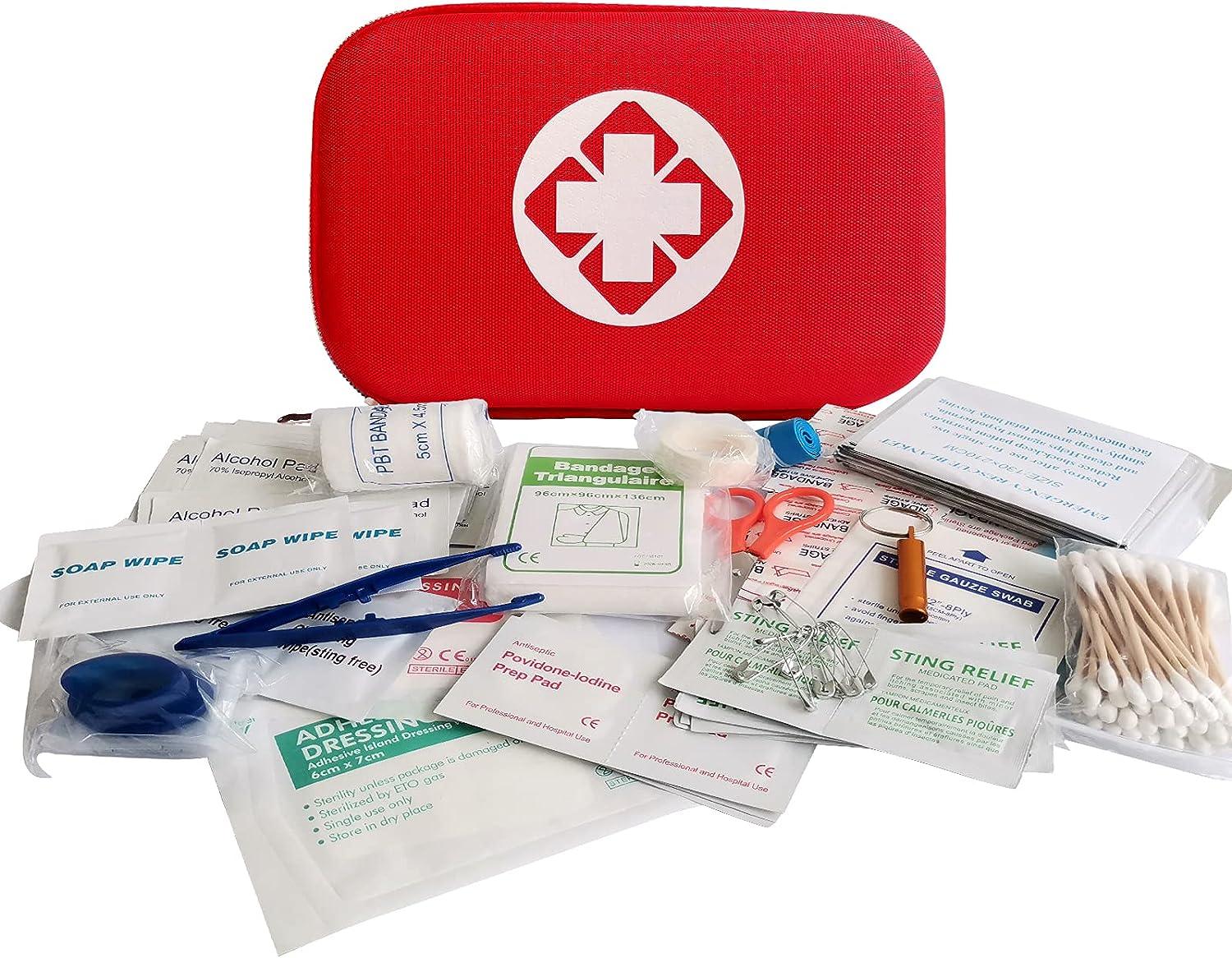
First-Aid Equipment
A well-operated safari vehicle should carry appropriate emergency and first-aid supplies.
The exact contents vary, but having basic first-aid equipment is an important part of responsible safari preparation.
For specialized activities or remote itineraries, additional emergency and communication equipment may also be appropriate.
Spare Tyre and Recovery Equipment
Safari vehicles travel through remote environments where punctures or mechanical problems can occur.
A properly prepared vehicle should have appropriate spare tyres, tools and recovery equipment suitable for the terrain.
This is particularly important when traveling far from major towns and service centers.
Communication Equipment
Depending on the safari area and operator, vehicles may use mobile communication, radio systems or other communication methods.
The most appropriate system depends on where the safari travels and how remote the itinerary is.
Travelers going into particularly remote areas should ask their operator about communication and emergency procedures.
Are Tanzania Safari Vehicles Air-Conditioned?
This is an important question because safari vehicle designs differ.
Some travelers assume that every safari 4×4 is fully air-conditioned like a modern road vehicle. That is not always the case.
Many traditional safari vehicles prioritize open-air wildlife viewing, ventilation and the pop-up roof rather than operating like a sealed passenger vehicle with continuous air conditioning.
The raised roof allows natural airflow while providing shade, and windows can provide additional ventilation when the vehicle is moving.
For travelers who consider air conditioning essential, this should be discussed with the safari operator before booking.
What About Dust?
Dust is a natural part of many Tanzania safaris, particularly during dry periods and on busy park roads.
The amount of dust depends on weather, road conditions, traffic and the location of the vehicle.
A vehicle with enclosed sides and windows that can be closed provides more protection from dust than a completely open-sided vehicle.
A scarf or lightweight buff can also be useful for travelers who are particularly sensitive to dust.
Are Tanzania Safari Vehicles Comfortable?
Comfort depends on the vehicle itself, the number of passengers, the condition of the roads and the length of each driving day.
A well-maintained safari 4×4 with good seats, reasonable legroom and an appropriate number of passengers can be surprisingly comfortable for long game drives.
However, travelers should remember that a safari takes place in a natural environment.
Some roads are uneven. You may experience bumps, vibration and rough sections of track. This is unavoidable in many wildlife areas because reaching remote habitats requires traveling beyond paved roads.
The objective is not to eliminate every bump, but to use a vehicle designed and maintained for the conditions.
Safari Vehicle Safety in Tanzania
Safety is an essential part of every safari vehicle experience.
The vehicle provides an important layer of protection between travelers and wild animals, but passengers must still behave responsibly.
Wild animals should never be treated like domesticated animals. Even animals that appear calm can react unexpectedly when they feel threatened.
During game drives, travelers should remain inside the vehicle unless their guide has specifically confirmed that it is safe and appropriate to leave the vehicle at a designated location.
Official park guidance emphasizes staying in vehicles except at designated areas, respecting wildlife, keeping appropriate distances and following guide instructions. It also restricts off-road driving in many circumstances and requires visitors to remain on authorized roads and tracks.

Do Not Stand or Move Around Carelessly
The pop-up roof is designed for wildlife viewing, but it does not mean passengers should behave carelessly.
When the vehicle is appropriately positioned, your guide can advise you when it is safe to stand and observe.
Passengers should avoid sudden movements, shouting or unnecessary noise around wildlife.
This is not only about safety. Quiet behavior also allows animals to behave naturally and improves the quality of the wildlife encounter.
Always Follow Your Guide’s Instructions
Your safari guide understands the local environment and animal behavior.
If your guide asks you to remain seated, lower the roof, stay inside the vehicle or wait before moving, follow the instruction immediately.
A good safari experience is based on observing wildlife without disturbing it.
Seat Belts and Vehicle Safety
Passengers should use seat belts where provided, particularly when traveling on rough roads or between destinations.
The vehicle should also be properly maintained, with functioning tyres, brakes, lights and other essential mechanical components.
When booking a safari, it is reasonable to ask the operator whether vehicles are regularly serviced and maintained.
What Happens if It Rains?
Tanzania’s weather can change quickly depending on the season and destination.
A pop-up-roof vehicle provides a useful advantage because the roof can be closed when conditions require additional protection.
Travelers should still carry a light waterproof layer, particularly during seasons when rainfall is more likely.
Open-sided vehicles offer less protection from rain, so the suitability of this type of vehicle depends heavily on the safari destination and season.
A well-planned safari operator will consider weather conditions when determining the appropriate vehicle and daily schedule.
Which Tanzania Safari Vehicle Is Best for You?
There is no single vehicle that is best for every traveler.
The right choice depends on the type of safari you are planning.
For a classic Tanzania safari, a well-maintained 4×4 with a pop-up roof is an excellent all-round choice. It combines good wildlife visibility, protection from the elements and the off-road capability needed for many safari environments.
For a luxury safari, a private vehicle with upgraded seating, more space and additional comfort features can make long game drives more enjoyable.
For a photographic safari, prioritize passenger space, unobstructed viewing positions, camera-support options and a guide who understands wildlife photography.
For travelers interested in an open-air experience, an open-sided safari vehicle can provide a particularly immersive connection with the landscape where this vehicle type is appropriate.
For families, a private vehicle can provide greater flexibility, especially when children have different energy levels and interests.
For couples and honeymooners, a private vehicle offers privacy and the ability to create a more relaxed schedule.
Classic vs Luxury vs Photographic Safari Vehicles
The differences can be summarized simply.

The exact vehicle specifications can vary between safari companies, so travelers should always confirm what is included in their particular safari.
How Many People Should Be in a Safari Vehicle?
Passenger numbers have a significant effect on comfort and wildlife viewing.
A smaller group generally means more personal space and easier access to viewing positions.
For photographers, fewer passengers can be especially valuable because everyone needs room to use camera equipment.
For families or couples, a private vehicle provides greater freedom to adjust the pace and spend more time at sightings that interest the group.
This does not mean that a shared safari is a poor experience. Many travelers enjoy sharing wildlife sightings with other guests. The important thing is to understand the vehicle’s capacity before booking.
Does the Vehicle Affect Wildlife Photography?
Absolutely.
A photographer’s ability to capture a good image depends on much more than the camera.
The vehicle affects your height, viewing angle, stability, available space and ability to move around during a sighting.
A pop-up roof provides an elevated perspective and eliminates the need to photograph through closed side glass when the roof is open.
An open-sided vehicle can provide even greater freedom from window reflections.
A photographic vehicle with fewer passengers can provide additional room for long lenses and camera supports.
Most importantly, an experienced guide can position the vehicle thoughtfully according to the animal, terrain and available light.
How to Choose the Best Safari Vehicle Before Booking
When comparing Tanzania safari packages, don’t stop at the words “4×4 safari vehicle.”
Ask what type of 4×4 will actually be used.
Find out whether it has a pop-up roof, how many passengers it carries and whether the vehicle is private or shared.
If comfort is important, ask about seating, legroom, ventilation and charging facilities.
If photography is your priority, ask about passenger numbers, camera space, beanbags or other support systems and whether your guide has photographic experience.
If you are considering a luxury safari, ask which features make the vehicle “luxury” rather than assuming the term refers to a particular vehicle model.
And if an open-sided vehicle is advertised, ask where it will be used and whether it is appropriate for the season and destination.
Why Vehicle Maintenance Matters
Even the best-designed safari vehicle is only as good as its maintenance.
Tanzania’s safari environments can be demanding. Long distances, rough tracks, dust, mud and heat all place stress on vehicles.
A responsible safari operator should maintain its fleet properly and ensure vehicles are roadworthy before taking guests into remote areas.
This is particularly important because some safari destinations are far from major towns and repair facilities.
Vehicle reliability is therefore not simply a comfort issue. It is part of the overall quality and safety of the safari.

The Best Safari Vehicle Is the One That Matches Your Safari
There is no need to choose a vehicle simply because it looks impressive in photographs.
The best Tanzania safari vehicle is the one that matches your destination, travel style, group size, comfort expectations and interests.
For most travelers, a purpose-built 4×4 with a pop-up roof provides an excellent combination of visibility, protection and practicality.
For travelers seeking additional comfort, a private or luxury-configured vehicle can make long game drives more enjoyable.
For photographers, a specialized vehicle and experienced photographic guide can significantly improve the experience.
And for those looking for a more exposed and immersive safari, an open-sided vehicle may be ideal in the right setting.
The vehicle is part of your safari experience, not simply the means of getting to the wildlife.
Plan Your Tanzania Safari With the Right Vehicle
At Animalia Treks and Safaris, we understand that every traveler experiences Tanzania differently.
A couple celebrating a honeymoon may prioritize privacy and comfort. A family may need more space and flexibility. A wildlife enthusiast may want long game drives and excellent viewing positions, while a professional photographer may require a vehicle specifically suited to camera equipment.
That is why your safari vehicle should be considered as part of the overall itinerary rather than as an afterthought.
Whether you are planning a classic Tanzania safari, a luxury wildlife journey, a private family safari or a dedicated photographic adventure, choosing the right vehicle can make your time in Tanzania considerably more comfortable, practical and rewarding.
Frequently Asked Questions About Tanzania Safari Vehicles
What is the best safari vehicle in Tanzania?
For most traditional wildlife safaris, a purpose-built 4×4 with a pop-up roof is an excellent all-round choice. It offers good wildlife visibility, an elevated viewing position and the capability required for many Tanzanian safari roads.
Are Toyota Land Cruisers good for Tanzania safaris?
Yes. Purpose-adapted Toyota Land Cruiser 4x4s are widely used for safari operations because their durability, ground clearance and four-wheel-drive capability suit many Tanzanian safari environments.
Do Tanzania safari vehicles have pop-up roofs?
Many conventional safari vehicles do have pop-up roofs, particularly those used for wildlife viewing in the Northern Circuit. However, travelers should confirm the vehicle configuration with their safari operator before booking.
Are Tanzania safari vehicles open-sided?
Some are. Open-sided vehicles are used in certain safari areas and private concessions, while many classic safari vehicles have enclosed sides and a pop-up roof. The appropriate vehicle depends on the destination, season and safari style.
Are safari vehicles in Tanzania air-conditioned?
Vehicle specifications vary. Some safari vehicles may have air conditioning or enhanced ventilation, while many traditional safari vehicles rely on open windows and pop-up roofs for airflow. Travelers who require air conditioning should confirm this before booking.
How many people fit in a Tanzania safari vehicle?
Capacity varies by vehicle. Some vehicles are configured for smaller private groups, while shared safari vehicles can accommodate more passengers. Always ask your operator about the maximum number of guests in your vehicle.
What is the best vehicle for a Tanzania photographic safari?
A photographic safari vehicle should provide good visibility, sufficient space for camera equipment, unobstructed shooting positions and, ideally, a small number of passengers. A knowledgeable photographic guide is equally important.
Do photographic safari vehicles have camera supports?
Some specialized photographic vehicles may have beanbags, camera rests or other support systems. However, this is not universal, so photographers should confirm the equipment provided before booking.
Are Tanzania safari vehicles safe?
Safari vehicles are designed and operated for wildlife viewing, but passengers must follow safety instructions. Stay inside the vehicle unless your guide confirms that it is safe and appropriate to exit, maintain appropriate distances from wildlife and follow park regulations.
Can I have a private safari vehicle in Tanzania?
Yes. Private safari vehicles are available and are particularly useful for couples, families, photographers and travelers who want greater flexibility over the daily schedule.
What should I look for when booking a Tanzania safari vehicle?
Consider the vehicle’s 4×4 capability, maintenance, pop-up roof, passenger capacity, seating, space, ventilation, charging facilities, storage, photography setup and whether the vehicle is private or shared.
Is an open-sided vehicle better than a pop-up-roof vehicle?
Not necessarily. Open-sided vehicles provide a very immersive experience and excellent side visibility, while pop-up-roof vehicles offer a good balance between open-air viewing and protection from dust, wind, rain and cooler temperatures.
Does the safari vehicle affect photography?
Yes. Vehicle height, roof design, windows, passenger numbers, camera space and positioning can all affect wildlife photography. The guide’s ability to position the vehicle appropriately is also extremely important.
Can I request a specific safari vehicle?
You can ask your safari operator about the vehicle type and configuration before booking. Specific vehicle requests may depend on availability, itinerary and whether you are booking a private safari.