Learn about the weather on Mount Kilimanjaro, including temperatures by altitude, rainy and dry seasons, summit conditions, best months to climb and packing tips.
Mount Kilimanjaro is famous for its remarkable landscapes, snow-capped summit, and incredible trekking experience. However, one of the most important things to understand before climbing Africa’s highest mountain is its weather. Conditions can change significantly as you move from the warm foothills through tropical rainforest, open moorland, alpine desert, and the freezing summit zone.
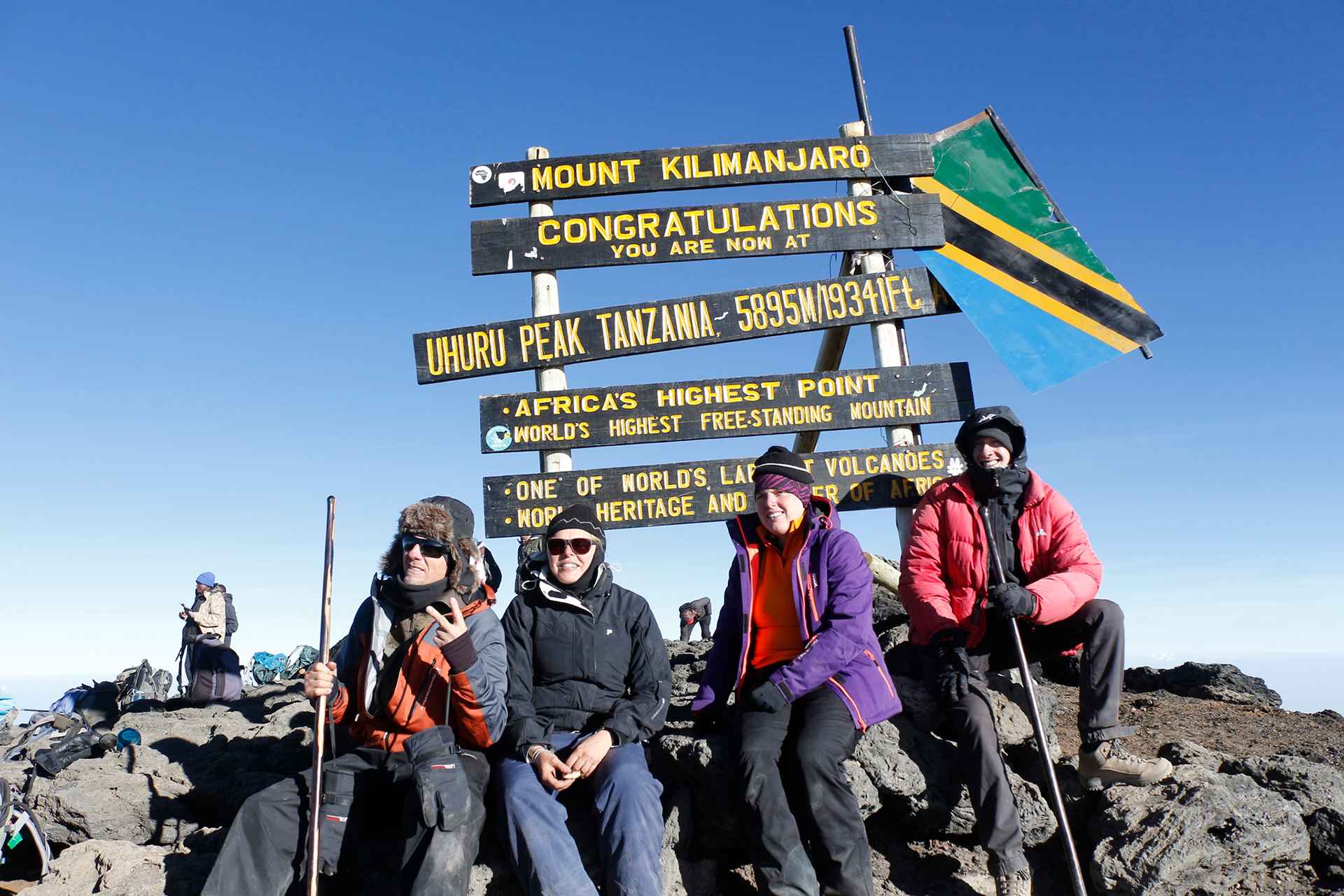
Standing at 5,895 metres (19,341 feet) above sea level, Mount Kilimanjaro rises high enough to create several distinct climatic zones. You may begin your trek in warm, humid conditions, experience rain and mist in the forest, walk under strong sunshine on the upper slopes, and encounter freezing temperatures during the final ascent to Uhuru Peak.
For this reason, understanding the weather on Mount Kilimanjaro is essential when choosing your climbing dates, selecting a route, preparing your equipment, and planning a safe and enjoyable trek.
This guide from Animalia Treks and Safaris explains Kilimanjaro’s climate, temperatures at different elevations, seasonal weather patterns, the best months to climb, and what to pack for changing conditions.
What Is the Weather Like on Mount Kilimanjaro?
The weather on Mount Kilimanjaro ranges from warm and tropical at lower elevations to extremely cold near the summit. Unlike destinations where weather conditions remain relatively similar throughout a journey, Kilimanjaro’s climate changes considerably with altitude.
At the lower slopes, temperatures can be comfortable or warm during the day. The rainforest zone is often humid, with mist and rainfall, particularly during the wet seasons. Higher up, the landscape becomes more open, with cooler temperatures, stronger sunshine, and greater exposure to wind. Near the summit, temperatures frequently fall below freezing, especially during the night and early morning.
Weather also varies by season. January to mid-March and June to October are generally the preferred climbing periods because conditions tend to be drier. April and May bring the long rains, while November and sometimes December experience the shorter rainy season.
However, there is no guarantee of perfect weather during any month. Clouds, rain, wind, cold temperatures, and snowfall can occur outside the main rainy seasons. Climbers should therefore prepare for several types of weather rather than relying entirely on the month they choose.
Understanding the Five Climate Zones on Mount Kilimanjaro
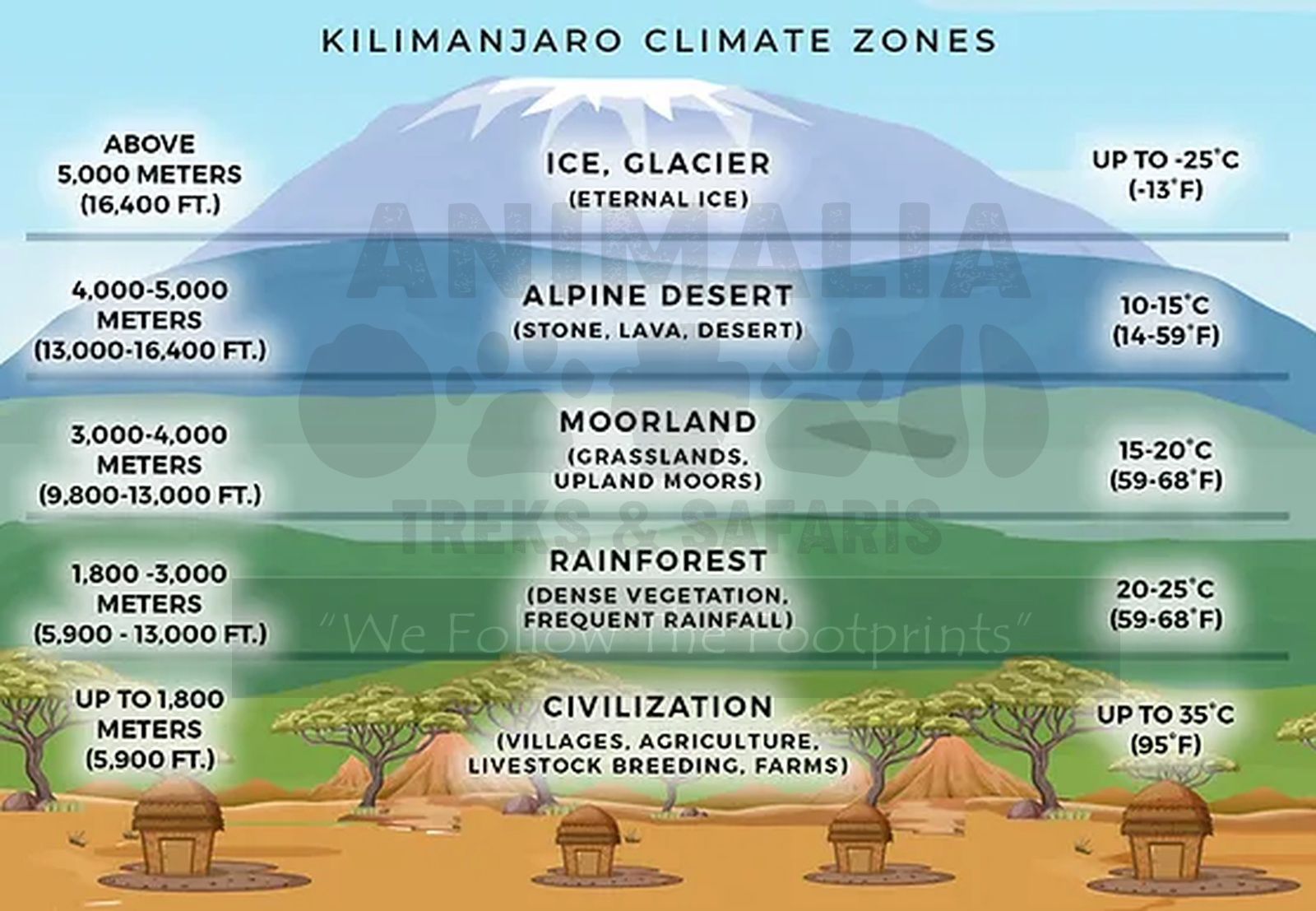
One of the most extraordinary features of climbing Kilimanjaro is the transition through different ecological and climatic zones. Each stage presents a different environment, from cultivated landscapes and green forest to barren high-altitude terrain.
1. Cultivation Zone: Warm Conditions on the Lower Slopes
The lower slopes of Mount Kilimanjaro are surrounded by villages, farms, banana plantations, coffee gardens, and other cultivated landscapes. Temperatures are generally warm, particularly during sunny afternoons, and the environment feels tropical.
Depending on the time of year and local conditions, daytime temperatures around the lower mountain can reach approximately 20–30°C. Rainfall is more likely during the wet seasons, and the trails can become muddy after prolonged showers.
For climbers, this first section is often comfortable in lightweight trekking clothing. Nevertheless, it is sensible to carry rain protection because conditions can change before you reach the forest.
2. Montane Rainforest: Humidity, Rain and Mist
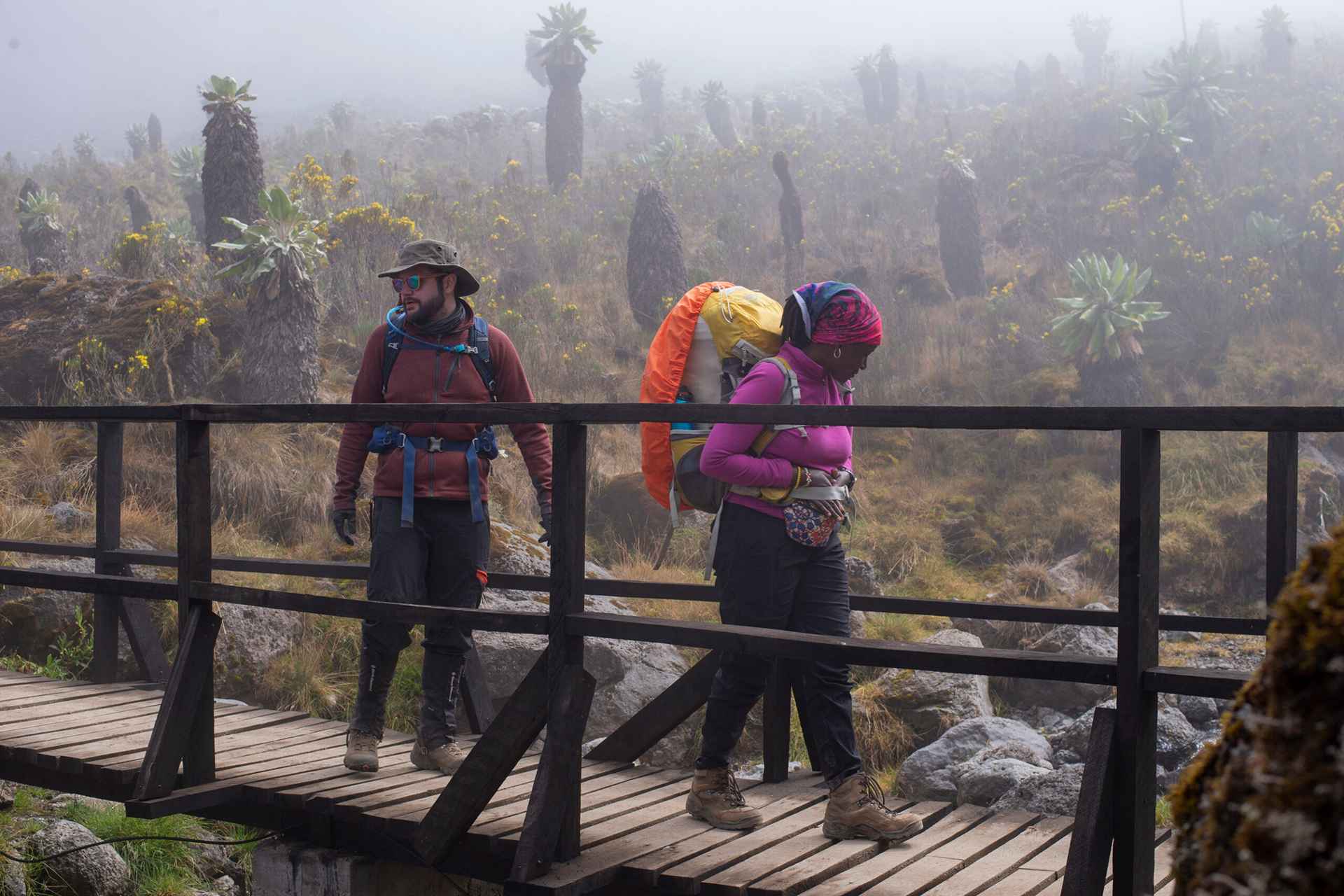
The rainforest is one of the wettest sections of the mountain. Dense vegetation, tall trees, mosses, ferns, and a rich variety of plant life create a very different environment from the cultivated foothills.
Temperatures are cooler beneath the forest canopy, but humidity can make the air feel damp. Mist and rain are common possibilities, particularly during the rainy seasons. Trails may become slippery, and wet clothing can quickly become uncomfortable if you are not properly equipped.
Waterproof hiking boots or suitable trekking footwear, rain trousers, and a breathable waterproof jacket are particularly useful in this zone. A rain cover for your daypack also helps protect spare clothing, electronics, and other essentials.
The forest is often one of the most beautiful parts of the trek, but it is important not to underestimate its wet conditions.
3. Heath and Moorland: Cooler Air and Greater Exposure
As the trail climbs above the rainforest, the trees gradually give way to heathland, grasses, shrubs, and distinctive high-altitude plants. The landscape becomes more open, and the weather is increasingly influenced by direct sunlight, wind, and changing cloud cover.
Daytime temperatures may be comfortable when the sun is shining, but mornings and evenings can be cold. The difference between walking in direct sunshine and resting in a windy, shaded area can be noticeable.
This is where layering becomes particularly important. A moisture-wicking base layer, insulating fleece, and wind-resistant outer layer allow you to adjust your clothing as conditions change.
Because the vegetation becomes less dense, you will also be more exposed to the sun. Sunglasses, sunscreen, a hat, and regular hydration remain important even when the air feels cool.
4. Alpine Desert: Dry Air, Strong Sun and Cold Nights
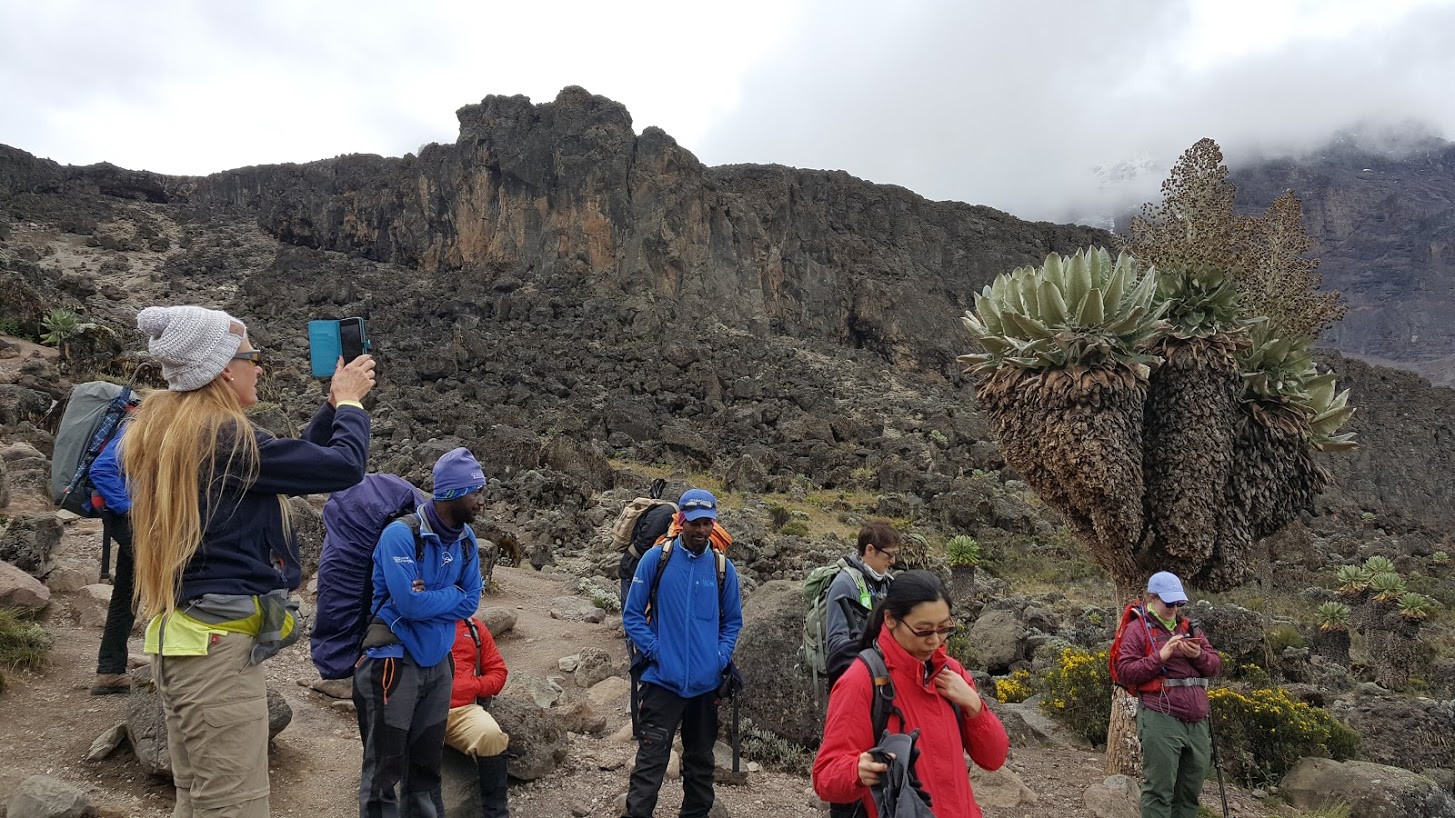
Above the moorland, the landscape becomes increasingly barren. Vegetation is sparse, the ground is often rocky, and daytime temperatures can fluctuate significantly depending on sunshine, cloud cover, and wind.
The alpine desert can feel surprisingly warm when the sun is strong. At the same time, the air is much colder after sunset, and temperatures can fall close to or below freezing.
This combination of intense sunlight, dry air, wind, and cold nights makes the zone demanding. Climbers need to protect their skin from the sun while retaining enough warmth for early mornings and evenings.
A warm jacket, gloves, a sun hat, high-quality sunglasses, and sufficient drinking water are essential. Lip balm and moisturiser can also help reduce discomfort caused by dry air and wind.
5. Arctic Summit Zone: Freezing Conditions Near Uhuru Peak
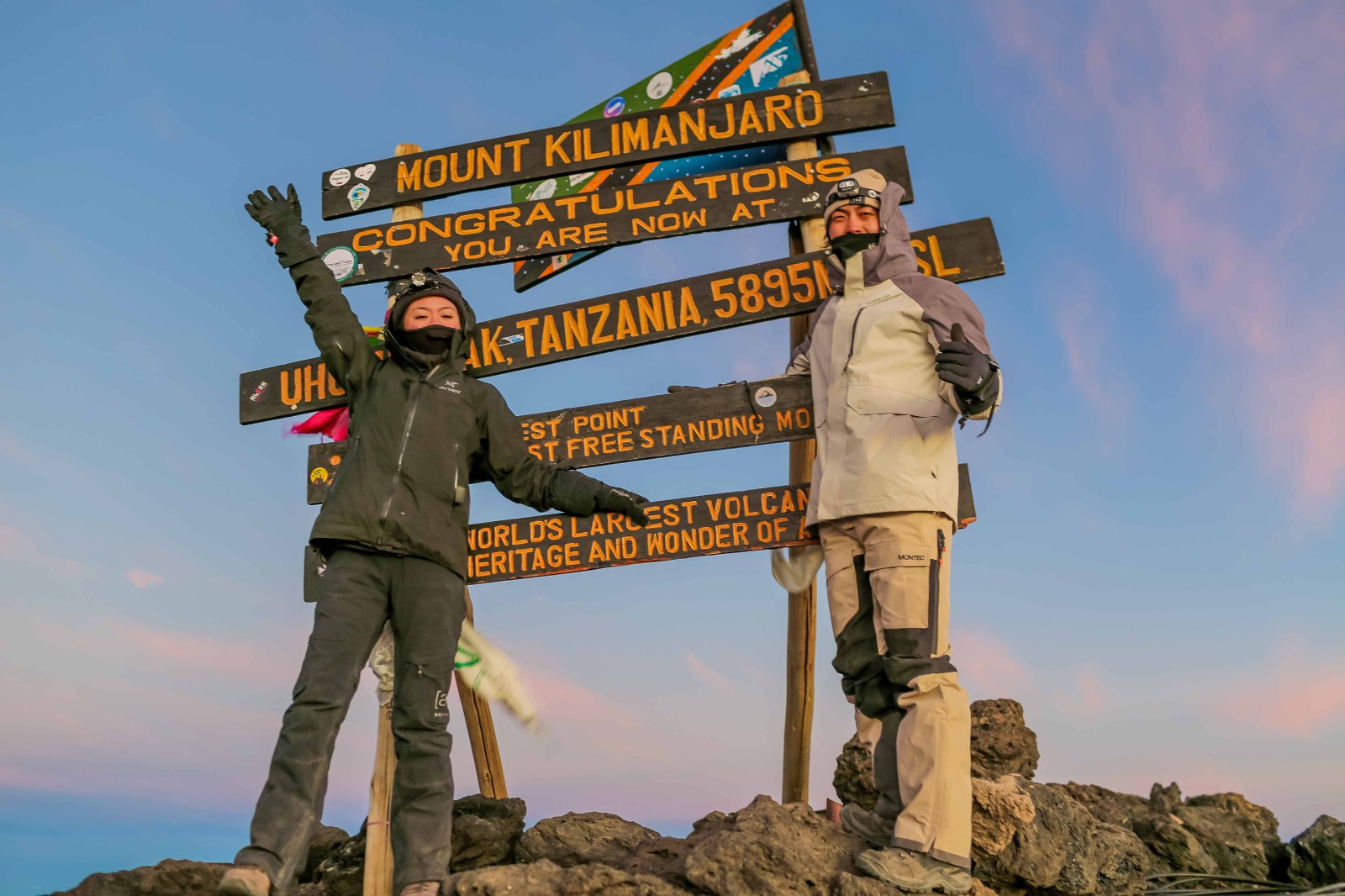
The highest part of Mount Kilimanjaro has an alpine or arctic-like environment. Vegetation is extremely limited, the air is thin, and temperatures are often below freezing.
Climbers usually begin the final ascent during the night, when temperatures are especially low. Depending on conditions, summit temperatures can fall to around -10°C to -20°C or lower, particularly when wind chill is considered. These are approximate planning ranges, not a forecast for a specific climbing date.
Strong winds can make the conditions feel much colder than the thermometer suggests. Snow and ice may also be encountered, depending on recent weather.
Proper summit clothing should include an insulated down or synthetic jacket, warm base layers, insulated gloves or mittens, a warm hat, suitable trekking trousers, and warm, well-fitting boots. Keeping spare gloves and other essential items dry can make a considerable difference during the summit attempt.
The summit is not simply the coldest part of the climb. It is also where altitude, fatigue, wind, and prolonged exposure combine to make the final ascent physically demanding.
Mount Kilimanjaro Weather by Month
Choosing the right month can improve your chances of experiencing drier trails and clearer views. However, seasonal patterns are not exact, and conditions can vary from one year to another.
January: Warm and Generally Dry
January is one of the popular months for climbing Kilimanjaro. Conditions are often relatively dry, particularly compared with the long-rain season, and the mountain can offer excellent views when skies are clear.
Lower slopes may feel warm, while upper camps and the summit remain cold. Occasional showers and cloudy periods are still possible.
January is worth considering if you want to combine your climb with a Tanzania safari or a beach holiday in Zanzibar.
February: Warm Conditions and Good Trekking Opportunities
February is generally part of the warmer, drier climbing period. It can offer pleasant trekking conditions, good visibility, and opportunities to enjoy the mountain’s contrasting landscapes.
Despite the warmer conditions at lower elevations, the summit remains cold. Climbers should not reduce their cold-weather equipment simply because they are traveling during one of the warmer months.
February can be a good option for travelers looking for a climb before the main long-rain season begins.
March: Increasingly Unpredictable Conditions
March is a transitional month. Early March can still provide suitable trekking conditions, but the likelihood of rain generally increases as the long-rain season approaches.
The exact timing varies each year, so travelers planning a March climb should consider their departure dates carefully. Later in the month, wetter trails, mist, and reduced visibility become more likely.
If you are considering March, it is worth discussing route selection and weather expectations with your trekking operator before confirming your itinerary.
April and May: The Long-Rain Season
April and May are generally the wettest months around Mount Kilimanjaro. Rainfall can be persistent on the lower slopes and in the rainforest, making trails muddy and slippery. Clouds may obscure views, and wet equipment can be harder to dry during the trek.
Climbing during this period is possible, but the conditions can be less comfortable and require additional preparation. Some travelers prefer to avoid these months because of the increased likelihood of rain and reduced visibility.
If you choose to climb during the long rains, waterproof clothing, dry bags, spare socks, and careful equipment management become especially important. You should also discuss the seasonal conditions with your operator before choosing your route and dates.
June: Cooler Weather and the Beginning of the Main Dry Season
June generally marks the beginning of the longer dry climbing period. Rainfall tends to decrease, and trekking conditions often improve as the season progresses.
Temperatures can be cool, especially at night and on the upper mountain. The summit may be particularly cold, so warm clothing remains essential.
June can suit climbers who want to travel during the dry season before the busiest mid-year period reaches its peak.
July and August: Dry Trails and Cold Summit Nights
July and August are among the most popular months to climb Kilimanjaro. Conditions are generally dry, although weather is never guaranteed, and the mountain can be busy during holiday periods.
Lower elevations may be pleasant during the day, but high camps and the summit can be very cold. Wind can make summit night especially demanding.
Advance planning is advisable during these months because many travelers choose the same seasonal window. Booking early also gives you more opportunity to select your preferred route and itinerary.
September: A Strong Choice for Dry-Season Climbing
September usually offers good trekking conditions, with relatively dry weather and opportunities for clear views. Temperatures remain cool at higher elevations, while lower slopes can be comfortable during the day.
For travelers seeking a balance between dry-season conditions and the peak holiday crowds of July and August, September is worth considering.
As always, route conditions and forecasts should be checked closer to departure.
October: Generally Dry, With Possible Seasonal Changes
October is often a good month for climbing, particularly during its earlier weeks. The mountain can experience clear conditions, although cloud cover and rainfall may increase as the short-rain season approaches in some years.
Climbers should prepare for both sunshine and showers rather than assuming that October will remain completely dry.
November: The Short-Rain Season
November often brings the short rains. These may arrive as intermittent showers rather than the prolonged rainfall associated with the long-rain season, but conditions vary.
Rain, cloud, and slippery sections can affect parts of the route. The northern side of the mountain is generally drier than the southern slopes, although no route is guaranteed to avoid rain.
Travelers considering November should be comfortable with the possibility of wet trekking days and changing visibility.
December: Mixed Conditions and Cold Summit Weather
December can offer a mixture of rain and drier periods, depending on the timing of the short rains and the weather pattern in a particular year.
The latter part of December is a popular travel period, so demand for climbing arrangements can increase around the holidays. Although lower slopes may feel warm, high-altitude temperatures remain cold, and summit conditions can be challenging.
December can be a suitable month for a climb when the itinerary is well planned and the equipment is appropriate for wet and freezing conditions.
What Is the Best Time of Year to Climb Mount Kilimanjaro?
For many climbers, the best weather windows are January to mid-March and June to October. These periods generally offer better chances of drier trails and clearer views than the main rainy seasons.
However, the best month for you depends on more than rainfall alone. Your holiday schedule, preferred route, tolerance for cold, willingness to trek in wet conditions, and desire to avoid crowds should all influence your decision.
If clear views and relatively dry trails are your priorities, consider the main dry-season windows. If you have flexibility, the edges of these periods may offer a useful balance of weather and visitor numbers.
It is also important to understand that the summit can be cold throughout the year. Choosing a warmer month does not eliminate the need for insulated clothing or preparation for freezing temperatures.
For a more complete comparison of seasonal conditions, see Animalia’s related guide, Best Time of the Year to Climb Mount Kilimanjaro.
How Cold Is the Summit of Mount Kilimanjaro?
The summit of Mount Kilimanjaro is cold enough that climbers must prepare for freezing conditions in every season.
Temperatures may fall to approximately -10°C to -20°C, and wind chill can make the conditions feel colder. The exact temperature depends on the weather at the time, so these figures should be treated as general preparation guidance rather than a prediction.
Summit attempts commonly begin around midnight or during the early hours of the morning. Climbers therefore spend several hours walking in darkness, when temperatures are low and the body may produce less heat because of the slow trekking pace and fatigue.
A proper layering system is essential. Start with a moisture-wicking base layer, add insulating layers, and use a windproof outer layer. A well-insulated jacket, warm gloves, face protection, and suitable boots help protect you from the cold.
Keep water accessible and monitor your hands, feet, and face for signs of excessive cold exposure. If you feel unwell or experience symptoms associated with altitude illness, tell your guide promptly.
Does It Snow on Mount Kilimanjaro?
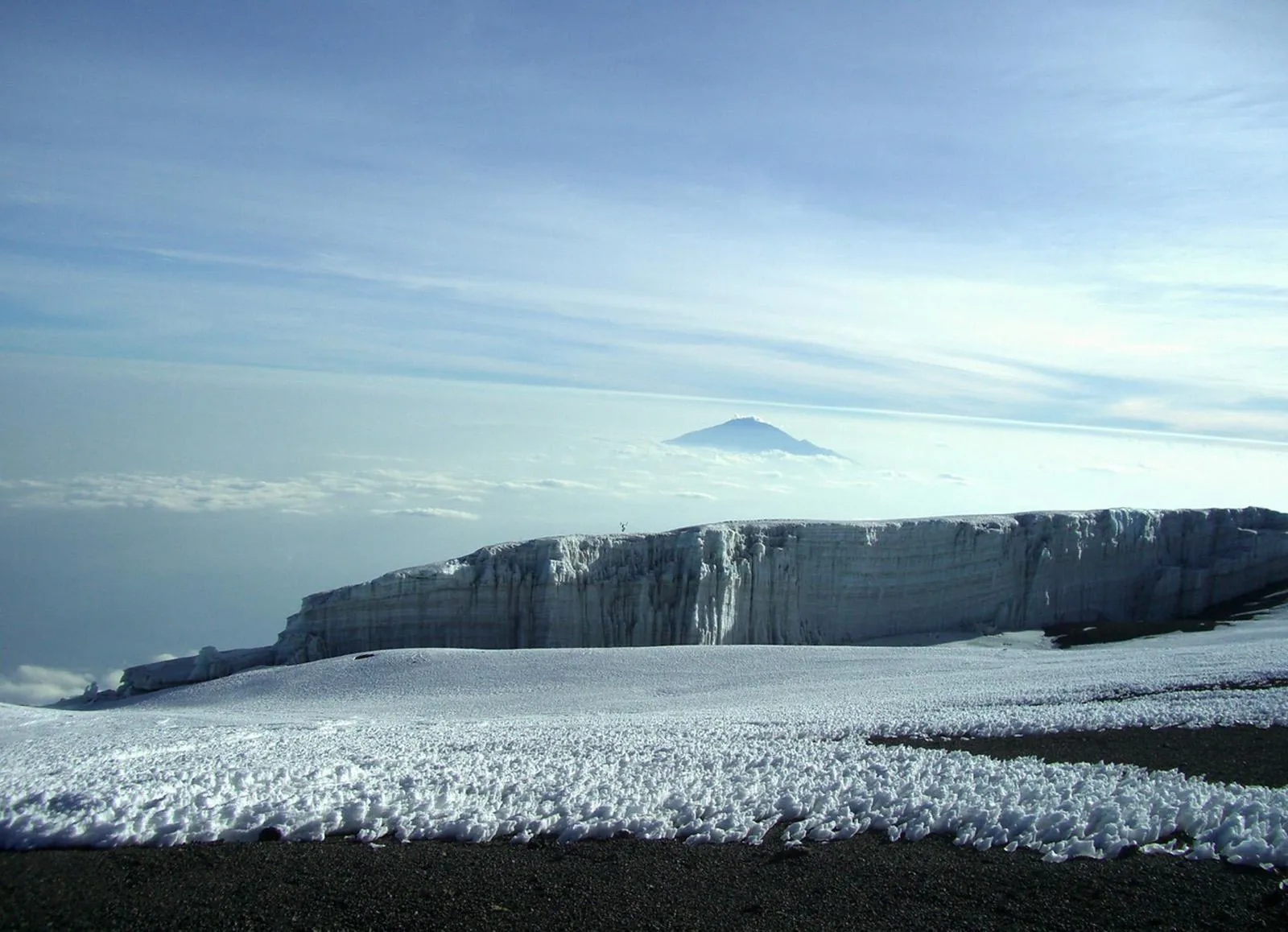
Yes. Snow can occur on Mount Kilimanjaro, particularly at high elevations, and the summit has long been known for its snow and ice.
However, the amount and distribution of snow and ice vary over time. Travelers should not assume that the summit will always have a thick layer of snow simply because they are climbing during a particular month.
At lower elevations, precipitation is more likely to fall as rain. As you climb higher and temperatures decrease, snow and ice become possible. Conditions depend on altitude, temperature, moisture, and recent weather.
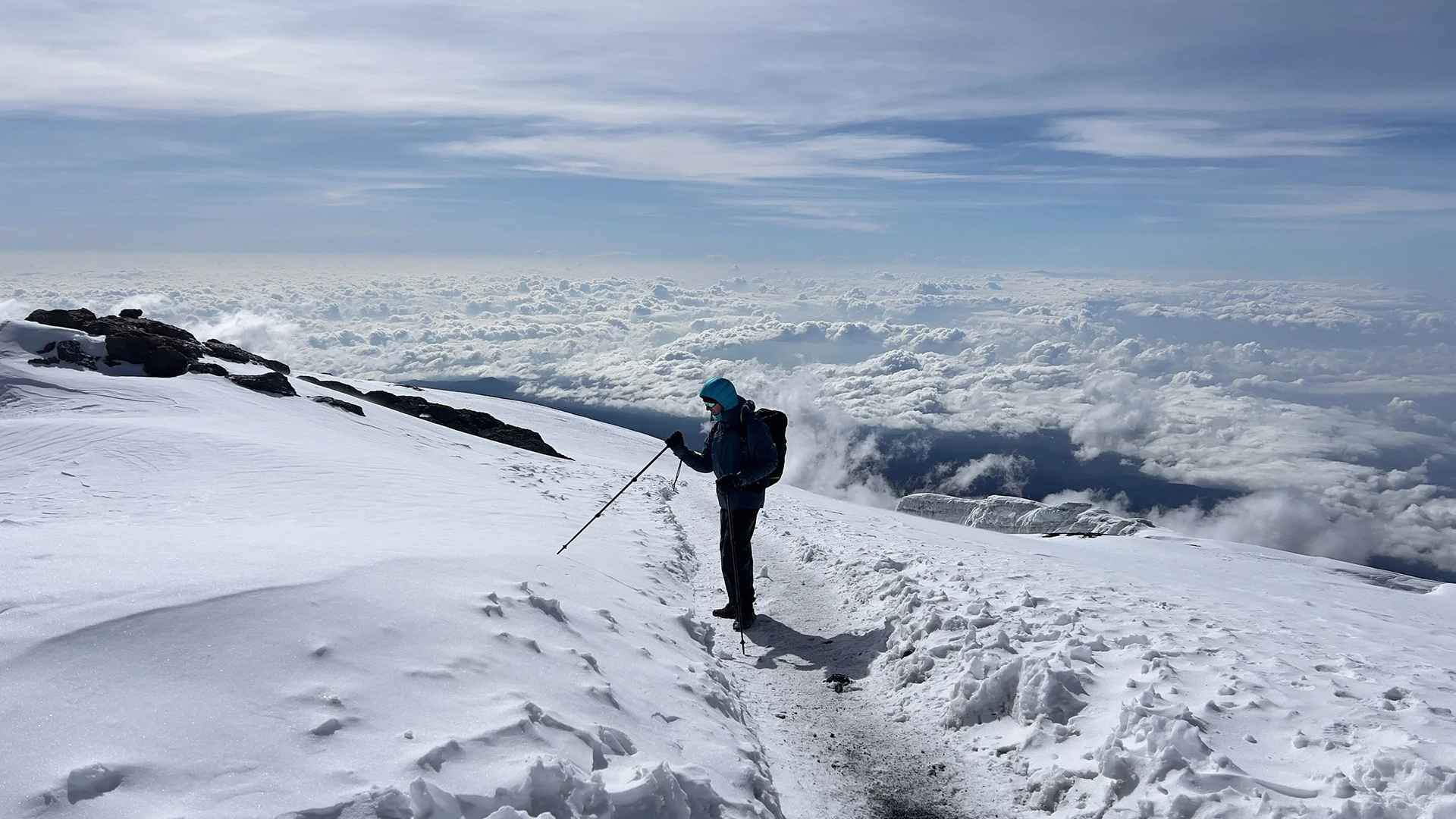
If seeing snow is important to your experience, remember that it cannot be guaranteed. The primary focus should be preparing properly for the cold and changing conditions rather than expecting a particular summit appearance.
Does It Rain on Mount Kilimanjaro During the Dry Season?
Yes. Although the dry seasons generally provide better trekking conditions, rain can still occur.
The rainforest is particularly prone to moisture and cloud, and weather on the mountain can differ from conditions in Moshi or Arusha. A clear morning at the base does not guarantee that the upper slopes will remain sunny throughout the day.
This is why climbers should carry waterproof clothing regardless of their departure month. A waterproof jacket, rain trousers, a pack cover, and dry storage for spare clothing are useful throughout the year.
Preparation is more reliable than assuming the weather will follow the seasonal average.
How Does Weather Affect Kilimanjaro Climbing Routes?
Weather can affect the experience on different Kilimanjaro routes, especially during the rainy seasons. The routes approach the mountain from different directions, and rainfall patterns are not identical across its slopes.
The Machame, Lemosho, and Umbwe routes approach from the southern or southwestern side, where the forest can be particularly wet during rainy periods. Mud, mist, and slippery ground may slow progress.
The Marangu Route also crosses the southern side of the mountain. Its hut accommodation provides shelter at night, but it does not remove the need for rain protection during the day’s trekking.
The Rongai Route approaches from the northern side, which is generally drier. Some climbers consider it during wetter periods, but rain and poor visibility are still possible.
The Northern Circuit travels around a larger portion of the mountain and offers varied scenery and a longer itinerary. Its longer duration can provide more time for acclimatization, but the weather remains changeable.
No route can guarantee sunshine or completely dry trails. Route choice should consider your experience, preferred scenery, available time, and acclimatization needs as well as the expected weather.
What Should You Pack for Kilimanjaro Weather?
Because the mountain passes through several climate zones, packing for Kilimanjaro requires more than ordinary hiking clothes. You need equipment for warm walking conditions, rain, wind, strong sunshine, and freezing temperatures.
A layered clothing system is the most practical approach. Moisture-wicking base layers help manage sweat, fleece or other insulating layers retain warmth, and a waterproof, wind-resistant outer shell protects you from rain and wind.
For the summit, bring a well-insulated jacket, warm gloves or mittens, a warm hat, suitable trekking trousers, and boots that fit properly and provide enough warmth. A buff or balaclava can help protect your face from cold wind.
Rain protection is important even during the dry season. Pack a waterproof jacket and trousers, spare socks, and dry bags to protect clothing and electronics. A comfortable daypack should also hold water, snacks, sunscreen, sunglasses, and any personal medication you need during the day’s walk.
Do not forget sun protection. Ultraviolet exposure can be strong at altitude even when the air is cold or the sky is partly cloudy.
Your sleeping bag and sleeping mat should be appropriate for the lowest temperatures expected on your itinerary. Confirm the required specifications with your operator, particularly if you are hiring equipment rather than bringing your own.
How to Stay Safe in Changing Kilimanjaro Weather
Good preparation can make changing weather easier to manage, but it cannot remove every mountain risk.
Follow your guide’s instructions and avoid rushing when conditions are difficult. Wet rocks, muddy trails, strong wind, and cold temperatures can affect balance, comfort, and walking speed. Take care when moving across slippery sections, and keep your clothing adjusted so that you do not become excessively wet or chilled.
Hydration and acclimatization are also important. Cold conditions can reduce your sense of thirst, but you still need to drink regularly. Choose an itinerary that allows adequate time to adjust to altitude, walk at a steady pace, and report symptoms promptly.
Headaches, nausea, dizziness, unusual fatigue, and other symptoms can be associated with altitude illness. Do not assume that feeling cold or tired is the only explanation for feeling unwell. Tell your guide about symptoms, particularly if they worsen. Continuing to ascend when significant altitude symptoms are present can be dangerous.
Conditions can deteriorate quickly at high altitude. Your guide may need to change the pace, adjust the day’s plan, or recommend turning back if weather or health conditions make continuing unsafe. Reaching the summit should never take priority over safety.
Can You Climb Kilimanjaro During the Rainy Season?
Climbing Kilimanjaro during the rainy season is possible, but it requires realistic expectations.
The long rains, generally from March to May, can bring persistent rainfall, muddy trails, reduced visibility, and damp equipment. The short rains, often around November and sometimes extending into December, can be more intermittent but remain unpredictable.
Some travelers choose these periods because they prefer a quieter mountain or have limited holiday dates. However, they should be prepared for wetter trekking conditions and understand that views may be obscured by clouds.
If you plan to climb during the rainy season, discuss the most suitable route, equipment, and itinerary with your operator. A longer itinerary may help with acclimatization, but it cannot guarantee favorable weather.
Frequently Asked Questions About Weather on Mount Kilimanjaro
Is Mount Kilimanjaro cold throughout the year?
No. The lower slopes can be warm, particularly during the day, while the summit is often below freezing. Temperatures depend more strongly on elevation and time of day than on the calendar alone.
What is the warmest month to climb Kilimanjaro?
January and February are generally among the warmer months for climbing. Nevertheless, the summit can remain extremely cold, and climbers need full cold-weather equipment.
What are the coldest months on Mount Kilimanjaro?
June through August are generally among the colder months, especially at higher elevations and during summit night. Wind and local weather conditions can make the perceived temperature much lower.
Which months have the best weather for climbing Kilimanjaro?
January to mid-March and June to October are generally preferred because they tend to be drier. The exact conditions vary each year, so no month guarantees clear skies.
Can you climb Kilimanjaro in April and May?
Yes, climbs can take place during the long-rain season, but the trails are more likely to be wet and muddy, and visibility may be reduced. Travelers should discuss the disadvantages and preparation needed before booking.
Does it snow at the top of Kilimanjaro in July or August?
Snow and ice can occur at high elevations, but the amount varies with conditions. Do not assume that a particular month guarantees a snow-covered summit.
Do I need a down jacket to climb Kilimanjaro?
A warm insulated jacket is strongly recommended for high camps and the summit attempt. The summit can be below freezing, and wind can increase heat loss considerably.
Can weather prevent me from reaching Uhuru Peak?
Yes. Severe weather, unsafe trail conditions, or health concerns may require a change of plan or a decision to turn back. Summit success should never come at the expense of safety.
Is the weather on Kilimanjaro the same as in Moshi?
No. Moshi is at a much lower elevation and has a warmer climate. Conditions on the mountain can be very different, particularly above the rainforest and near the summit.
Should I bring rain gear if I climb during the dry season?
Yes. Rain can occur outside the main rainy seasons, especially in the forest zone. Waterproof clothing and dry storage for spare items are useful throughout the year.
Final Thoughts: Prepare for Every Type of Kilimanjaro Weather
The weather on Mount Kilimanjaro is part of what makes climbing the mountain so memorable. In a single trek, you can pass through warm cultivated landscapes, lush rainforest, cool moorland, dry alpine terrain, and a freezing summit environment.
The main dry seasons generally offer the most favorable trekking conditions, but the weather can change at any time. Choosing a suitable climbing period, selecting an appropriate route, allowing enough time for acclimatization, and packing proper clothing are all important parts of preparation.
At Animalia Treks and Safaris, travelers planning a Kilimanjaro climb should consider both seasonal weather and the conditions they may encounter at different elevations. With realistic expectations and the right preparation, you can enjoy the mountain’s extraordinary scenery while making safety a priority.
Before confirming your trek, review your route options, climbing duration, and equipment requirements with your operator. A well-planned itinerary helps you prepare for the mountain as it is, rather than relying on ideal weather.