Learn how much to tip on a Tanzania safari, including safari guides, drivers, lodge staff, porters and camp teams, with practical tipping advice for your Tanzania holiday.
Tipping is an important part of the travel experience in Tanzania, and many visitors wonder how much they should tip their safari guide, driver, lodge staff or camp team. For first-time visitors, the subject can sometimes feel confusing because tipping customs are different from country to country.
There is no single mandatory amount that every traveler must pay as a tip on a Tanzania safari. Tipping is generally a way of showing appreciation for good service rather than a compulsory fee. The appropriate amount can depend on the quality of service, the length of your safari, the number of people in your group, the type of accommodation and whether you are travelling privately or as part of a group.
At the same time, safari guides, drivers and hospitality staff play a major role in making a Tanzania safari memorable. A thoughtful tip can be a meaningful way of recognizing their professionalism, knowledge and effort throughout your journey.
This Tanzania safari tipping guide explains who you may want to tip, how much to consider, when to give your tip and how to make the process simple and respectful.
Is Tipping Expected on a Tanzania Safari?
Tipping is customary in Tanzania’s tourism industry, particularly for safari guides, drivers, lodge staff and other people who provide direct service to travelers. Responsible-tourism guidance also recommends that visitors discuss appropriate tipping amounts with their tour operator before travelling and come prepared with cash.
However, a tip should not be confused with a compulsory safari fee. Unless your safari operator specifically states otherwise, gratuities are normally separate from the cost of your safari.
The most important principle is that tipping should be based on service and appreciation. You should never feel that you have to give an unreasonable amount simply because someone expects it. At the same time, travelers should understand that gratuities can form an important part of income for some tourism workers, which is why tipping appropriately is considered part of responsible travel in Tanzania.
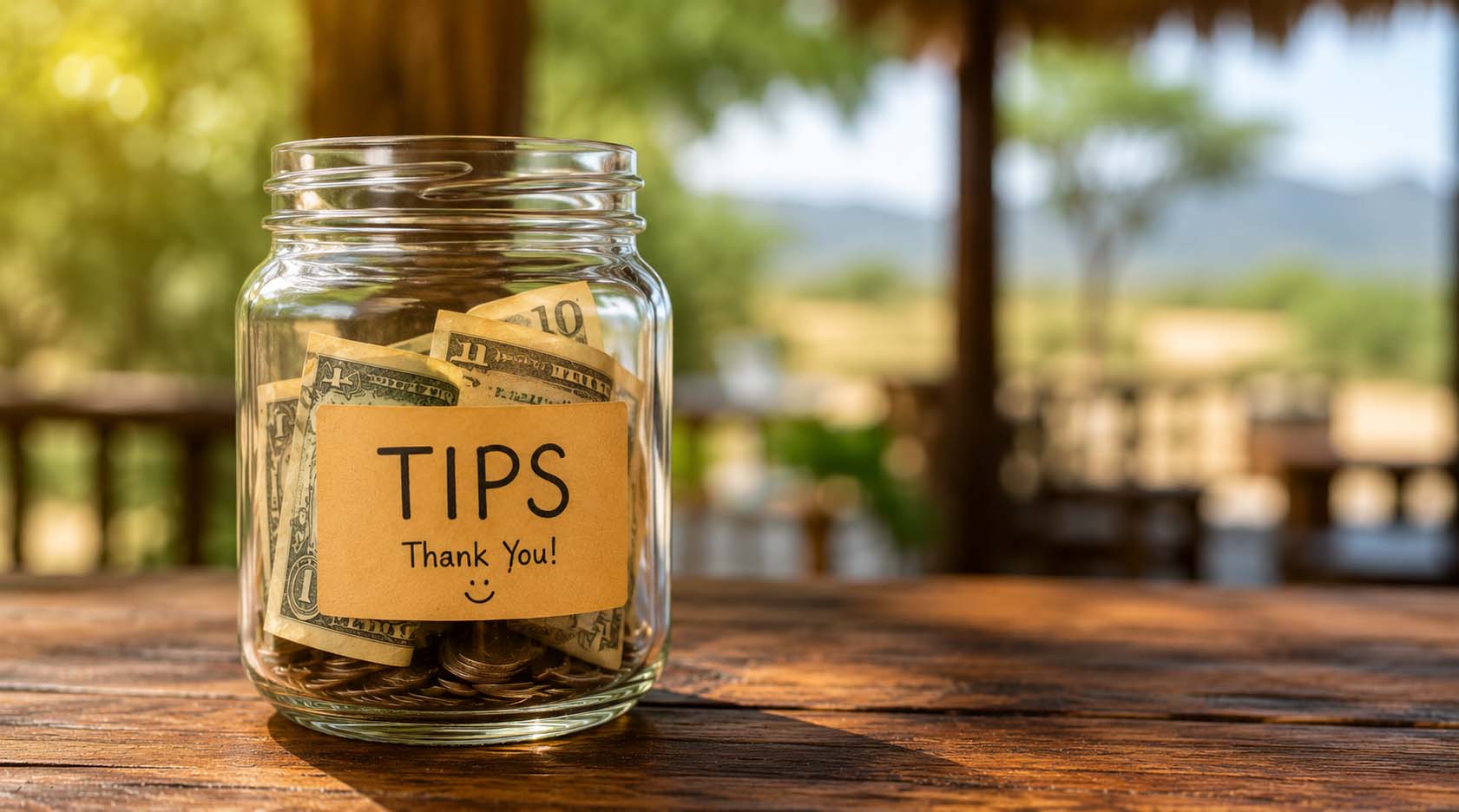
How Much Should You Tip on a Tanzania Safari?
There is no government-mandated universal tipping rate for safari guides and camp staff. Different safari companies may also provide their own recommendations depending on the type of safari and accommodation used.
As a practical guideline, many travelers choose to tip the driver-guide around US$10–20 per traveler per day, with higher amounts appropriate when a guide has provided exceptional service or when a private guide is responsible for a small group.
For a group of several travelers sharing one safari vehicle, the total amount can be pooled and given to the guide at the end of the safari. For example, four travelers might each contribute an amount toward one combined daily tip rather than each handing over separate amounts every day.
The exact amount should depend on the experience. A guide who has demonstrated excellent wildlife knowledge, safe driving, patience, flexibility and genuine enthusiasm may deserve more than the basic guideline.
These figures should be treated as suggested ranges, not fixed charges. Your safari operator may have a different tipping policy, and it is sensible to ask before departure.
How Much Should You Tip a Tanzania Safari Guide?
Your safari guide is usually the person who has the greatest direct influence on your wildlife experience. A good guide does much more than drive the safari vehicle.
Your guide may spend hours identifying animal tracks, explaining wildlife behavior, interpreting landscapes, finding animals, answering questions and adjusting the game-drive route according to conditions in the park.
For this reason, the safari guide or driver-guide is usually one of the people travelers prioritize when tipping.
A commonly used guideline is around US$10–20 per traveler per day for a good safari guide, although you can give more for exceptional service. If you are travelling privately, you may wish to consider the overall level of personalized service when deciding on the final amount.
Rather than handing over a small amount every evening, many travelers find it easier to calculate the total at the end of the safari and present the tip to the guide before leaving.
For example, if you are two travelers on a five-day private safari and decide that US$15 per person per day is appropriate, your combined guide tip would be US$150 for the safari.
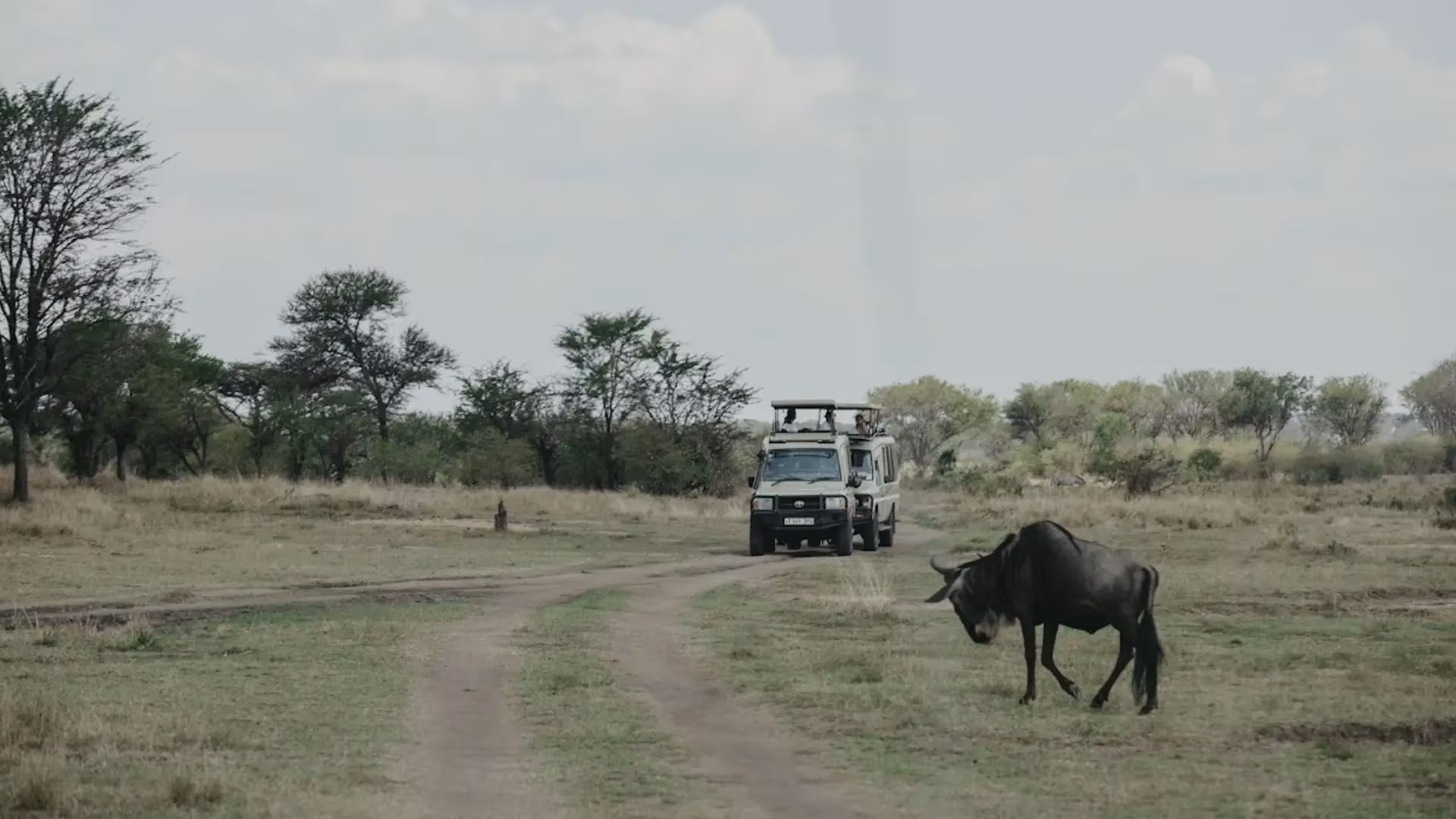
How Much Should You Tip a Safari Driver?
On many Tanzanian safaris, the driver and guide are the same person. In that situation, you do not normally need to calculate two separate tips for the driver and guide.
The person driving the vehicle may also be responsible for guiding, wildlife interpretation, route planning and communication with other guides. In such cases, the driver-guide should be treated as the primary safari professional receiving the tip.
If your safari uses separate driving and guiding roles, however, ask your operator how gratuities are normally handled so that both members of the team are appropriately recognized.
How Much Should You Tip Lodge and Camp Staff?
Safari accommodation involves many people working behind the scenes to make your stay comfortable. Depending on the property, this can include restaurant staff, housekeeping teams, camp attendants, waiters, chefs, managers and other hospitality workers.
Many lodges and tented camps have a communal or shared tip box. This system allows guests to make one contribution that is distributed among the eligible staff rather than requiring travelers to identify and tip every employee individually.
Where a communal tip box is available, it can be a convenient and fair way of recognizing the wider team.
A general guideline for a lodge or tented camp may be around US$5–15 per guest per day, depending on the accommodation standard and level of service. However, practices differ significantly between properties, so ask your safari operator or the lodge about its preferred system.
Some properties may have a centralized gratuity policy, while others may leave tipping entirely to individual guests.
Should You Tip Individual Lodge Staff?
If a member of the lodge team provides particularly personal or exceptional service, you may choose to give them a direct tip.
For example, if a waiter takes exceptional care of your dietary requirements or a staff member goes out of their way to assist you, a personal tip can be a thoughtful gesture.
However, you do not need to feel pressured to identify every member of the accommodation team individually. Where a shared tip box exists, using it can help ensure that your contribution reaches a wider group of employees.
How Much Should You Tip a Safari Cook?
For camping safaris, the cook can be an especially important member of the team.
A safari cook may prepare several meals each day, work with limited equipment and create meals in a remote environment. Their contribution can have a significant effect on the overall comfort of a camping safari.
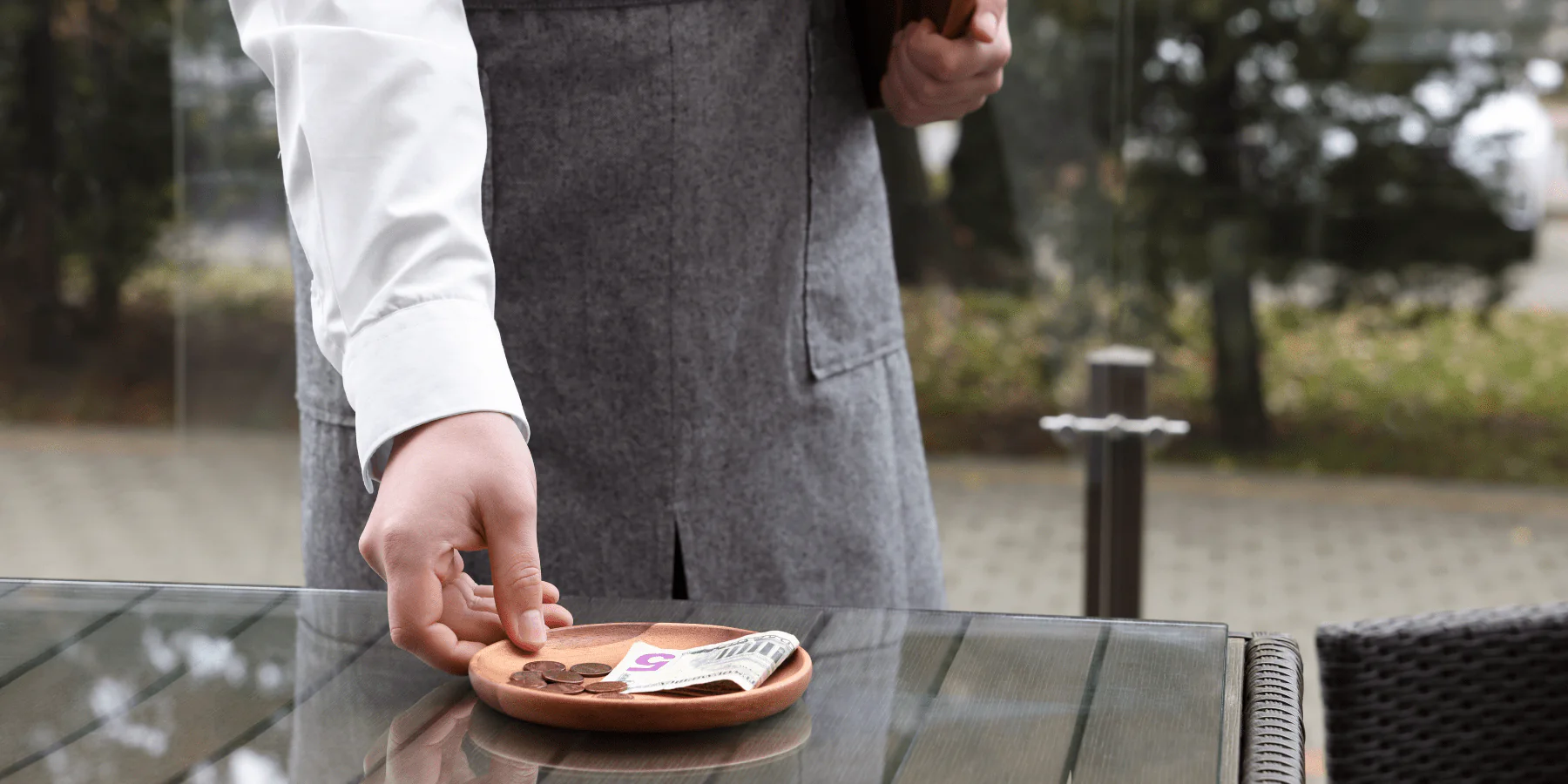
If you have a dedicated safari cook, you may wish to give a separate tip at the end of your safari. A reasonable guideline might be around US$5–10 per traveler per day, depending on the length of the trip, group size and quality of service.
Your safari operator can advise you whether the cook’s gratuity is normally handled separately or through a shared team arrangement.
Should You Tip Porters on a Tanzania Safari?
Porters are more commonly associated with mountain trekking than conventional wildlife safaris. If your Tanzania holiday combines a safari with a Kilimanjaro or Mount Meru climb, tipping arrangements are usually different from those for a standard safari.
Porters, cooks and mountain guides form a larger trekking team, and tipping should be discussed with your trekking operator before the climb. Responsible tourism organizations emphasize the importance of choosing operators that treat mountain staff fairly and encourage appropriate practices around porter welfare.
Do not assume that safari tipping guidelines automatically apply to a Kilimanjaro crew. Ask your trekking company for specific guidance before your climb.
When Should You Give Your Safari Tip?
Most travelers give the main safari tip at the end of the safari.
This is often the easiest approach because you have experienced the entire trip and can assess the service you received before deciding on the final amount.
For example, after completing a five-day safari, you can calculate your preferred daily amount and give the combined tip directly to your guide before saying goodbye.
If you are staying at several lodges or camps, however, accommodation tips may be handled separately. A communal lodge tip box can usually be used at the individual property.
There is no need to wait until the final day to recognize exceptional service. If someone provides outstanding assistance during the safari, you can always thank them with a tip at the appropriate time.
Should You Tip Every Day or at the End of the Safari?
For safari guides, tipping at the end of the safari is generally the simplest option.
This allows you to evaluate the complete service and avoids having to carry out daily calculations. It can also feel more natural because the tip becomes a final expression of appreciation for the entire safari.
For lodge and camp employees, the situation can be different because you may stay at several properties and interact with different teams. In those cases, a shared gratuity box at each property can be more appropriate.

Should You Tip in US Dollars or Tanzanian Shillings?
Both currencies can be useful for tipping in Tanzania.
US dollars are widely used within the tourism industry, particularly for safari-related transactions, and many international travelers find it convenient to carry smaller US dollar notes for gratuities.
Tanzanian shillings are also perfectly appropriate and can be useful for smaller everyday tips and purchases.
If you plan to tip in US dollars, carry clean, reasonably recent notes in smaller denominations rather than relying entirely on large bills. Smaller denominations make it easier to give appropriate amounts without requiring someone to find change.
It is also worth asking your safari operator before departure whether there are any preferences regarding currency or tipping arrangements.
Is Tipping Included in the Tanzania Safari Price?
In many safari quotations, tips and gratuities are excluded from the advertised safari price.
This means that when you receive a quotation, you should check whether gratuities are included or expected separately. Tanzania Tourism Board safari package information, for example, lists tips and gratuities among common exclusions from safari package prices.
A professional safari operator should explain this clearly before you make your booking.
If tipping is not included, consider it part of your overall travel budget so that you are not surprised by the additional expense at the end of your holiday.
How Much Should a Couple Tip on a Tanzania Safari?
Couples can calculate their tip together rather than treating each person separately.
For example, if two people decide that US$15 per person per day is appropriate for their guide, the combined contribution would be US$30 per day. On a five-day safari, that would result in a total guide tip of US$150.
The same principle can be applied to accommodation or other staff, depending on how the property manages gratuities.
The important thing is that both travelers are comfortable with the amount and that it reflects the service they received.
How Much Should a Family Tip on a Tanzania Safari?
Families should not feel that they need to multiply an adult tipping recommendation by every child in the group.
Parents can discuss the appropriate amount with their safari operator and consider the ages of the children, the length of the safari and the level of service provided.
For example, a family of four does not necessarily need to tip exactly four times the amount a solo traveler would give. The total contribution should be reasonable for the group and reflect the service received.
Families may also choose to involve older children in the tipping process as a way of teaching them about appreciation, cultural differences and responsible travel.
What If I Am Not Happy With the Safari Service?
Tipping is meant to recognize good service, so you should not feel obligated to give a large tip when the service has been genuinely poor.
If you experience a significant problem, it is better to communicate with your safari operator rather than simply using the tip as a way to express dissatisfaction.
There can sometimes be misunderstandings caused by communication, itinerary expectations or circumstances outside the guide’s control. Giving the operator an opportunity to address the issue can help resolve the situation fairly.
If your guide has made a genuine effort and circumstances such as weather or wildlife behavior affected your experience, remember that these factors are not necessarily a reflection of the quality of the service.
Should You Tip the Safari Guide More for Exceptional Service?
Yes. Tipping is ultimately about appreciation.
If your guide went far beyond your expectations, demonstrated outstanding knowledge, helped with a special request or made a particularly memorable effort throughout the safari, you may choose to give more than the general guideline.
There is no requirement to stay within a particular amount when you genuinely want to recognize exceptional service.
At the same time, travelers should not feel pressured to compete with other guests or tip more than they can comfortably afford.
Is Tipping Mandatory in Tanzania?
Tipping is generally customary in Tanzania’s tourism sector, but it is not the same as a mandatory government fee.
The amount is normally left to the traveler’s discretion, although some safari operators provide recommended guidelines to help guests understand local expectations.
The best approach is to ask your safari company before departure how tipping is normally handled. This can prevent confusion and allow you to budget appropriately.

Common Tipping Mistakes to Avoid on a Tanzania Safari
One common mistake is waiting until the final moment to think about gratuities. If you have not planned for tips, you may find yourself without sufficient cash when the safari ends.
Another mistake is assuming that one large tip automatically covers everyone. Your safari guide, camp staff and other service providers may operate under different gratuity systems.
It is also unnecessary to tip every person you encounter. Focus on people who have directly contributed to your experience and follow the tipping system used by your accommodation or safari operator.
Travelers should also avoid feeling pressured into giving tips beyond their means. Tipping should be a genuine expression of appreciation, not an uncomfortable financial obligation.
A Simple Tanzania Safari Tipping Budget
For travelers who want a straightforward way to budget, consider setting aside a separate amount for gratuities before departure.
For a typical safari, you might budget approximately US$10–20 per traveler per day for the safari guide/driver-guide, depending on service and group arrangement. For lodge or camp staff, a shared contribution of approximately US$5–15 per guest per day can be considered where appropriate.
These figures are only guidelines. Luxury properties, private safaris, exceptional service and different staff arrangements may justify different amounts, while shorter or simpler trips may require less.
For a five-day safari, for example, a couple might set aside a few hundred US dollars for gratuities across their guide and accommodation teams. The exact amount should be adjusted according to the itinerary, service level and your personal budget.
Tanzania Safari Tipping Etiquette
The best tipping experience is simple, respectful and discreet.
When giving a tip directly to your guide or another staff member, a personal thank-you is often just as meaningful as the money itself. You can explain that you appreciated their knowledge, hospitality or assistance during the safari.
If your lodge provides a shared tip box, use it rather than trying to identify every member of the staff team.
It is also perfectly acceptable to ask your safari operator or lodge manager how gratuities are distributed. Understanding the system can help you make sure your contribution reaches the people you intend to support.
Does Tipping Support Local Communities?
Tipping can contribute directly to the livelihoods of people working in Tanzania’s tourism industry. Safari guides, drivers, camp employees and other tourism professionals are part of the local economy, and responsible tourism guidance encourages travelers to recognize good service through appropriate gratuities.
However, tipping should be viewed as one part of responsible tourism rather than a substitute for fair employment practices.
Travelers should also consider whether their safari operator works responsibly, treats employees fairly and contributes positively to local communities. Responsible tourism organizations emphasize the importance of fair working conditions and locally rooted employment within Tanzania’s tourism industry.
Choosing a responsible safari company is therefore just as important as tipping appropriately.
Frequently Asked Questions About Tanzania Safari Tipping
How much should I tip my safari guide in Tanzania?
A commonly used guideline is around US$10–20 per traveler per day for a safari guide or driver-guide. The appropriate amount depends on the quality of service, safari length, group size and whether the guide is providing a private service. These are guidelines rather than mandatory rates.
How much should I tip lodge staff in Tanzania?
Where a lodge or camp operates a shared tip system, around US$5–15 per guest per day can be used as a general guideline. However, tipping practices vary between properties, so it is best to ask the lodge or safari operator about its preferred arrangement.
Should I tip my Tanzania safari guide every day?
Most travelers find it easier to give the main guide tip at the end of the safari. This allows you to assess the entire experience before deciding on the final amount.
Should I tip safari guides in US dollars?
US dollars are widely used within Tanzania’s tourism industry and are commonly accepted for safari gratuities. Tanzanian shillings are also appropriate. If using US dollars, carrying smaller denominations is generally more convenient.
Is tipping mandatory on a Tanzania safari?
No universal government-mandated safari tipping amount applies to all travelers. Tipping is customary within the tourism industry and is generally a voluntary way of recognizing good service.
Do I need to tip the safari driver and guide separately?
Usually not if the same person is both your driver and guide. In that situation, one combined tip is appropriate. If your safari uses separate driver and guide roles, ask your operator how gratuities should be divided.
Should I tip the safari cook?
If you have a dedicated safari cook, particularly on a camping safari, a separate tip can be appropriate. A general guideline is around US$5–10 per traveler per day, depending on service and the arrangement with your safari operator.
What happens if I cannot afford a large tip?
Do not feel pressured to give more than you can comfortably afford. A sincere thank-you and a reasonable tip based on your circumstances are perfectly appropriate.
When is the best time to tip on a Tanzania safari?
The main guide tip is commonly given at the end of the safari. Lodge and camp gratuities may be given through a shared tip box at each property, depending on the accommodation’s system.
How much cash should I bring for Tanzania safari tips?
The amount depends on the length of your safari, group size and accommodation style. It is sensible to plan your expected gratuities before departure and carry sufficient small-denomination cash rather than relying only on large notes.
Final Thoughts on Tipping on a Tanzania Safari
Tipping should be a simple way of saying thank you to the people who help make your Tanzania safari special. Your guide’s wildlife knowledge, careful driving and patience, together with the hospitality provided by lodge and camp teams, can have a significant influence on your overall experience.
There is no single amount that every traveler must give. The best approach is to understand the local custom, ask your safari operator about its recommended tipping practices, budget for gratuities before travelling and then give an amount that reflects the quality of service you received.
Most importantly, do not let uncertainty about tipping overshadow the safari itself. Enjoy the wildlife, landscapes and hospitality of Tanzania, and when your journey comes to an end, a thoughtful tip and genuine words of appreciation can be a meaningful way to thank the people who helped make your experience memorable.