

Discover Tanzania Bird Watching Adventure Experiences, including top birding destinations, endemic species, migratory birds, the best time to visit and expert planning tips.
Tanzania is one of Africa’s most rewarding destinations for travelers who want to discover the natural world through birdwatching. From colorful birds perched among acacia trees to flamingos gathering around alkaline lakes, majestic eagles soaring above open plains, and rare forest species hidden in ancient mountain forests, the country offers extraordinary opportunities to observe birds in their natural habitats.
A Tanzania bird watching adventure is more than an opportunity to identify different species. It is a chance to explore the country’s remarkable ecosystems, learn about bird behavior, discover lesser-known wilderness areas, and experience Tanzania at a slower, more attentive pace. Every habitat tells a different story, and even a short journey between destinations can introduce you to an entirely new collection of birds.
With more than 1,100 recorded bird species, Tanzania attracts beginner birdwatchers, experienced birders, wildlife photographers, researchers, and nature enthusiasts from around the world. The country’s varied landscapes include savannahs, wetlands, freshwater lakes, coastal forests, tropical rainforests, mountain slopes, and offshore islands. This diversity makes it possible to combine birdwatching with traditional wildlife safaris, cultural experiences, mountain adventures, and relaxing beach holidays.
At Animalia Treks and Safaris, a Tanzania birdwatching holiday can be planned around your interests, whether you want to photograph striking African birds, search for endemic species, observe migratory visitors, or combine birding with the country’s celebrated wildlife destinations.
Why Choose Tanzania for a Bird Watching Adventure?
One of the greatest advantages of birdwatching in Tanzania is the diversity of species and habitats found within one country. A birding journey through northern Tanzania might begin in the wooded landscapes around Arusha, continue through the baobab-dotted plains of Tarangire, and reach the wetlands and forests surrounding Lake Manyara and the Ngorongoro highlands.
Each environment supports a different bird community. Open grasslands are excellent places to look for ground-dwelling species and large terrestrial birds, while wetlands attract waders, herons, storks, ducks, and other waterbirds. Woodlands provide habitat for rollers, hornbills, bee-eaters, and numerous smaller species. Forests are particularly rewarding for birders interested in sunbirds, turacos, forest specialists, and species with restricted geographical ranges.
Tanzania is also important for migratory birds. During the northern hemisphere’s winter, many birds travel to East Africa from Europe and Asia, joining resident African species. Their arrival creates additional birdwatching opportunities, especially around lakes, wetlands, floodplains, and open country.
For dedicated birders, Tanzania offers opportunities to search for species that are difficult or impossible to see elsewhere. The Eastern Arc Mountains, in particular, contain unique forest habitats supporting several restricted-range birds. Islands such as Pemba also offer distinctive birdlife that can make a specialist itinerary especially rewarding.
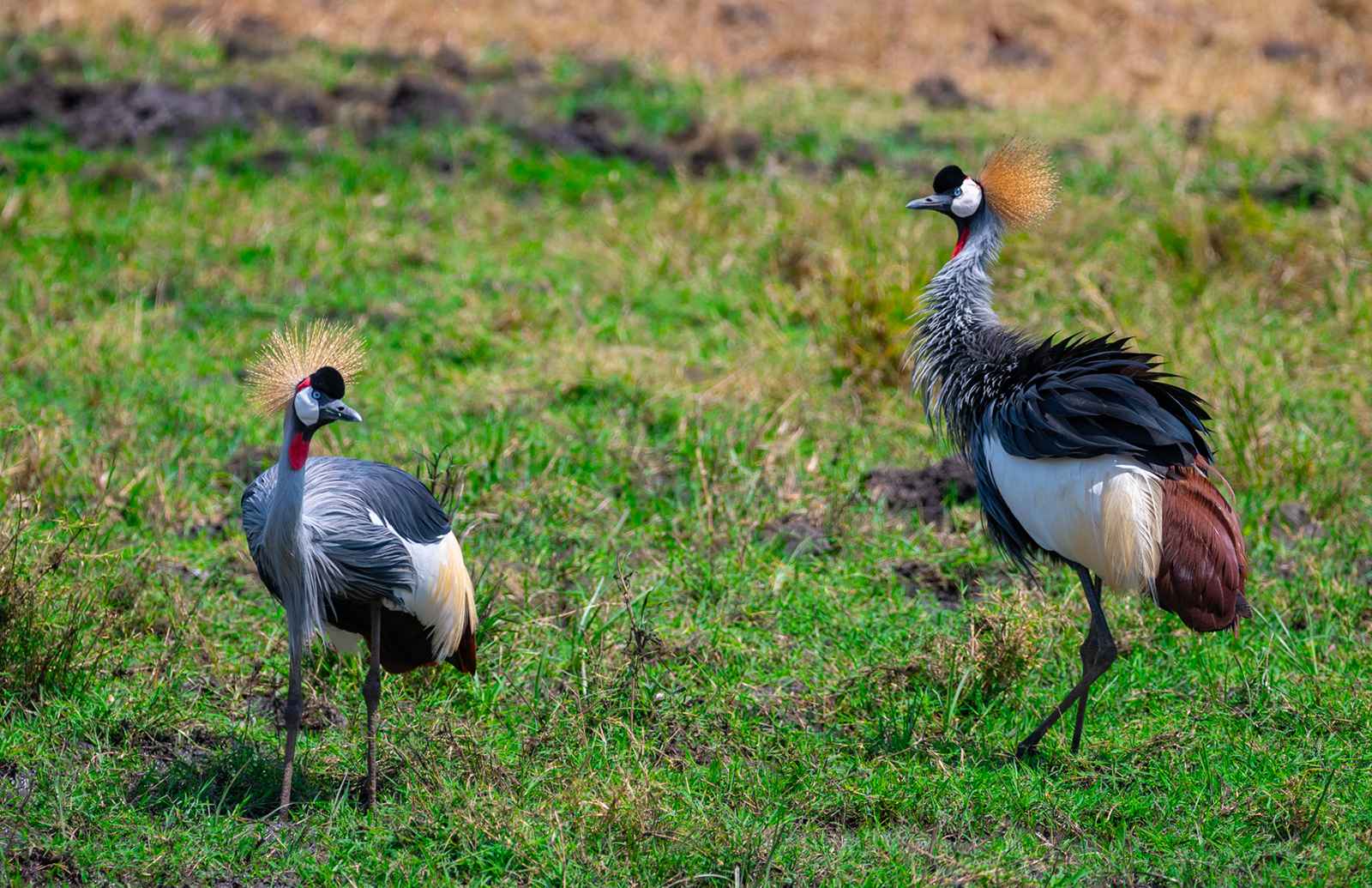
Whether you have a few days available or want to spend several weeks exploring different ecosystems, Tanzania offers plenty of scope for a memorable birdwatching experience.
What Can You Expect During a Tanzania Birdwatching Safari?
A birdwatching safari differs from a conventional wildlife safari because the focus is not limited to large mammals. Instead, the experience is built around observing birds, listening to their calls, understanding their behavior, and learning how they interact with their surroundings.
Early mornings are often especially productive. Birds may be more active during the cooler hours, and the soft morning light creates excellent conditions for observation and photography. Your guide may stop frequently to examine a bird perched in a tree, follow a call through the grass, or watch activity around a water source.
Some sightings are immediate and spectacular. You might encounter a lilac-breasted roller displaying its brilliant colors, a fish eagle scanning a lake, or a group of flamingos feeding in shallow water. Other discoveries require patience. Small birds may remain concealed in foliage, while forest species can be identified first by their calls before they appear in view.
The pace is therefore different from a safari focused mainly on finding lions, elephants, or other large animals. A good birdwatching itinerary allows time for careful observation rather than rushing between attractions.
Depending on your interests, the trip may involve game drives, guided forest walks where permitted, visits to wetlands, and quiet observation at lakeshores. A specialist birding guide can also help distinguish similar species and explain their calls, feeding habits, nesting behavior, and seasonal movements.
Best Places for Bird Watching in Tanzania
1. Arusha National Park: A Convenient Introduction to Birdwatching
Arusha National Park is an excellent starting point for a northern Tanzania birdwatching adventure. Located near Arusha, it offers a remarkable variety of habitats within a relatively compact area, including montane forest, open grassland, crater landscapes, and the Momella Lakes.
The forested slopes are worth exploring for turacos, hornbills, sunbirds, and other woodland species. Around the Momella Lakes, birdwatchers can look for flamingos, pelicans, storks, and other waterbirds, with sightings varying according to water conditions and season.
The park’s combination of forest and wetland habitats makes it especially useful for travelers who want to see a diverse selection of birds without spending several days driving between distant locations.
Arusha National Park can also be combined with a conventional wildlife safari, making it a practical addition to an itinerary that includes Tarangire, Ngorongoro, or Serengeti.
2. Tarangire National Park: Woodland Birds and Raptors
Tarangire National Park is widely known for its elephants and iconic baobab trees, but it is also a rewarding destination for birdwatchers. Its mixture of open savannah, acacia woodland, riverine vegetation, and seasonal swamps creates habitat for a broad variety of birds.
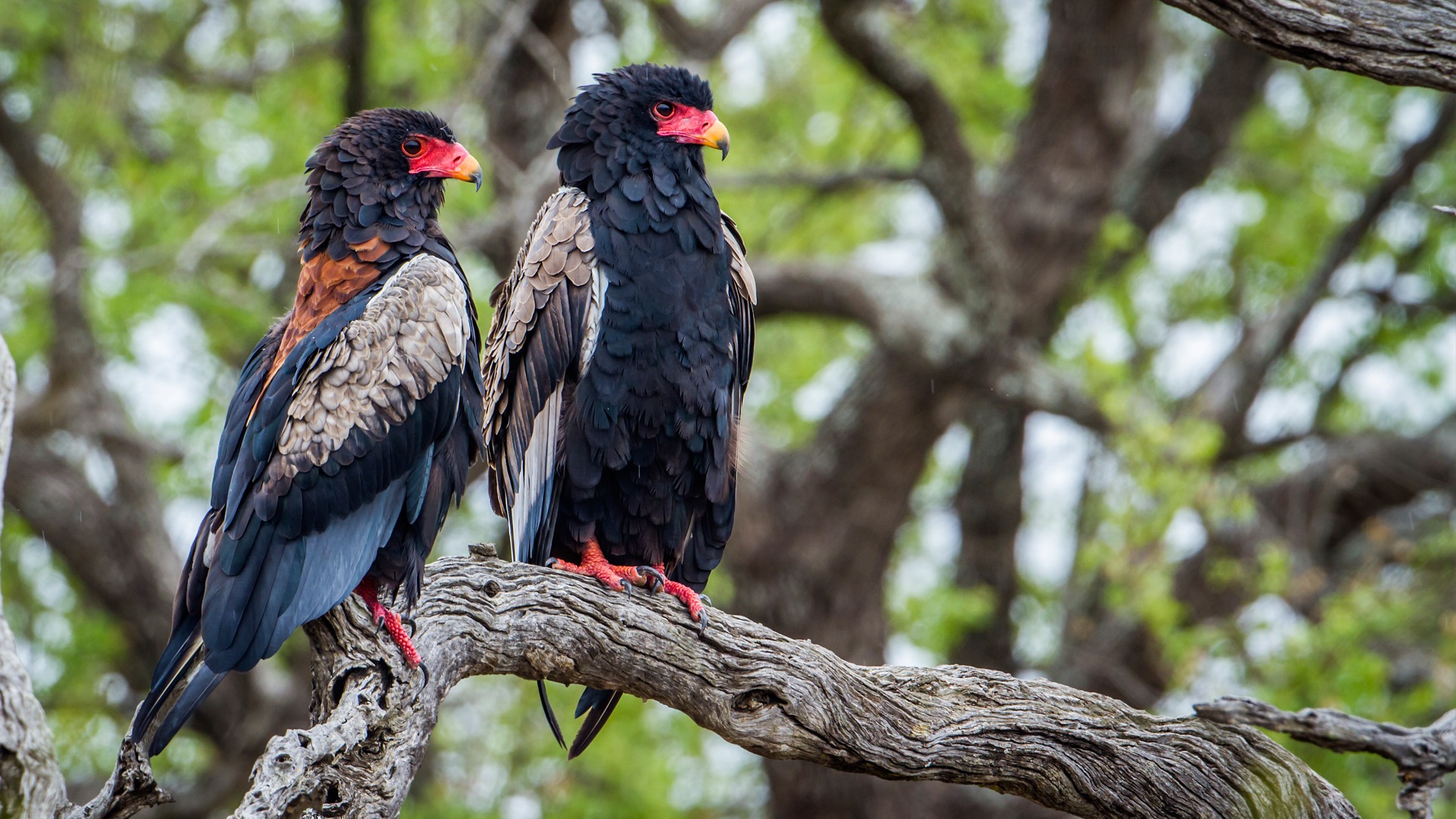
During a game drive, you may encounter colorful yellow-collared lovebirds, hornbills, rollers, starlings, weavers, and different species of eagles. The park’s varied landscapes also provide opportunities to look for ground-dwelling birds, including bustards and spurfowls.
The Tarangire River and seasonal wetlands become particularly interesting when wildlife gathers around available water. Waterbirds may be seen feeding along the banks, while raptors scan the surrounding landscape for prey.
Tarangire is an excellent choice for travelers who want to combine birdwatching with a classic African safari. Because birdlife can be encountered throughout a game drive, even visitors who are not specialist birders can appreciate the park’s diversity.
3. Lake Manyara National Park: Waterbirds and Forest Species
Lake Manyara National Park is one of the most rewarding birding stops on the northern safari circuit. Its habitats include a groundwater forest, open woodland, grassland, and the alkaline lake itself.
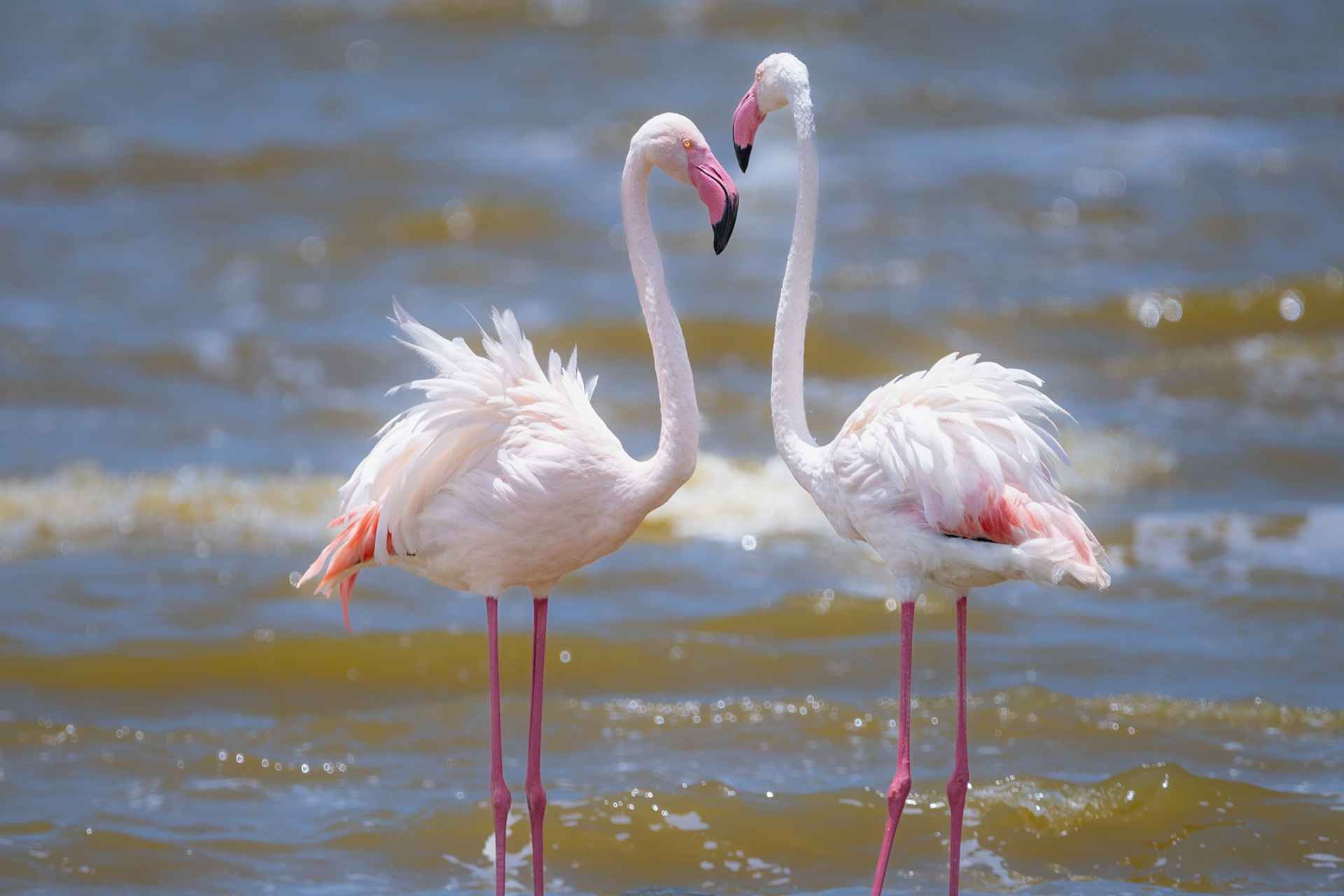
When water levels and feeding conditions are suitable, the lake attracts flamingos and numerous other waterbirds. Pelicans, storks, herons, and waders may also be seen around the water and surrounding shallows.
The forest adds another dimension to the experience. Its shaded vegetation supports birds that are very different from those found on the exposed lakeshore. This contrast makes Lake Manyara particularly appealing for travelers who want to explore multiple bird habitats within one destination.
Flamingo numbers can fluctuate considerably depending on water levels and food availability, so a visit should not be planned around a guarantee of seeing large flocks. The park remains worthwhile because of its broader bird diversity and varied landscapes.
4. Ngorongoro Conservation Area: Birdlife in a Remarkable Landscape
The Ngorongoro Conservation Area is famous for its volcanic scenery and exceptional mammal viewing, but it is also a valuable birdwatching destination. The Ngorongoro Crater contains grasslands, wetlands, freshwater pools, and forested slopes, each supporting different species.
Birdwatchers may look for flamingos, ostriches, crowned cranes, storks, secretarybirds, raptors, and a variety of smaller grassland and wetland birds. The highland forests around the crater rim offer a different selection from the open crater floor.

The surrounding Ngorongoro landscape also includes open plains and seasonal wetlands, expanding the range of habitats available to birders.
A birdwatching trip here is particularly rewarding because bird sightings can be combined with encounters with elephants, buffaloes, zebras, and other wildlife. For visitors who want both birds and large mammals, Ngorongoro fits naturally into a northern Tanzania itinerary.
5. Serengeti National Park: Birds Across the Open Plains
The Serengeti is internationally celebrated for its wildlife and the Great Wildebeest Migration, but its birdlife is equally worth exploring. The park’s enormous range of habitats includes open grasslands, rocky kopjes, riverine forests, acacia woodland, and seasonal wetlands.
Open-country species can be especially interesting, including ostriches, bustards, secretarybirds, and different types of larks and pipits. Raptors patrol the plains, while vultures and other scavenging birds may gather where prey has been killed.
Around rivers and wooded areas, birdwatchers can look for kingfishers, rollers, hornbills, and many smaller species. The combination of resident birds and seasonal migrants adds further variety.
The Serengeti is a good choice for birders who want to combine species observation with classic safari experiences. A guide who is prepared to stop for smaller birds and identify species beyond the most obvious wildlife can make a significant difference to the quality of the experience.
6. Lake Natron: Flamingos and Rift Valley Birdlife
Lake Natron, in northern Tanzania, is an important destination for travelers interested in flamingos and other birds associated with alkaline lakes. Its dramatic setting, surrounded by volcanic landscapes and open plains, creates a distinctive birdwatching experience.
The lake is particularly important for lesser flamingos, which depend on suitable alkaline lakes in East Africa for feeding and breeding. Birdwatchers may also encounter other waterbirds around the lake and its surrounding wetlands.
Conditions at Lake Natron change with rainfall, water levels, and food availability. Flamingo numbers and their distribution can vary, so sightings should be treated as seasonal wildlife opportunities rather than guaranteed events.
Lake Natron is more remote than some northern safari destinations, making it best suited to travelers who have time for a dedicated excursion. It can be combined with selected northern Tanzania safari routes for visitors seeking a broader range of landscapes and bird habitats.
7. Nyerere National Park: Riverine and Wetland Birdwatching
For travelers exploring southern Tanzania, Nyerere National Park offers a different style of birdwatching. The Rufiji River system, lakes, channels, floodplains, and woodlands create a varied landscape with excellent opportunities to observe birds.
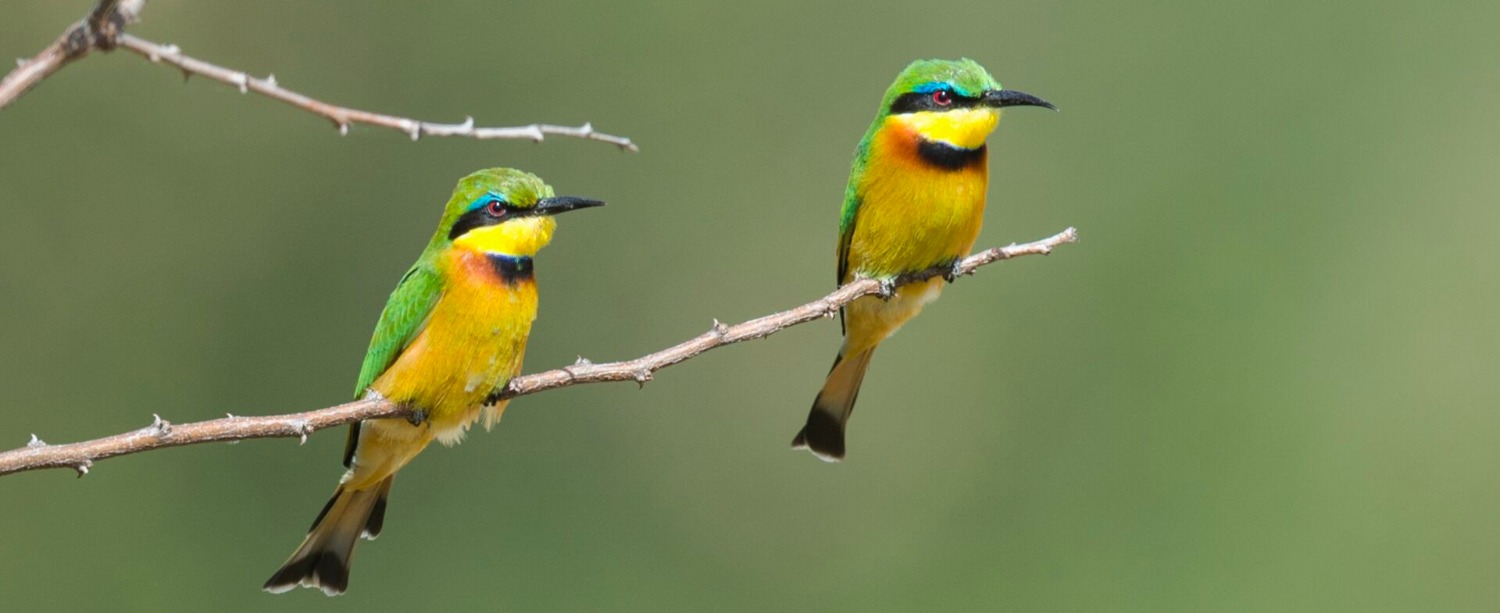
The river environment is particularly interesting for African fish eagles, kingfishers, herons, bee-eaters, and other species associated with water. Depending on the location and season, visitors may also see skimmers, storks, and other wetland birds.
A boat safari can provide a useful perspective for observing birds along the riverbanks and in suitable wetland habitats. Game drives offer additional opportunities to find woodland species and raptors.
Nyerere is a strong option for travelers who want a birding experience away from the busiest northern circuit. It can also be combined with other southern Tanzania destinations for a longer wildlife-focused itinerary.
8. Udzungwa Mountains: Forest Birding and Restricted-Range Species
The Udzungwa Mountains are particularly important for birdwatchers interested in forest habitats and Tanzania’s distinctive biodiversity. Unlike the open landscapes of the Serengeti or Tarangire, Udzungwa is explored through forest trails, where patience, careful listening, and knowledgeable guiding are essential.
The Eastern Arc forests contain species with restricted distributions, making them attractive to experienced birders who want to search for birds not easily encountered on a standard safari.
The Udzungwa forest partridge is one of the region’s notable birding specialities. Other forest birds may include greenbuls, sunbirds, and various species associated with montane and lowland forest.
Birding in Udzungwa is often more demanding than spotting conspicuous birds from a safari vehicle. Dense vegetation, uneven light, and the movement of birds through the canopy can make identification challenging. A specialist guide familiar with local bird calls and habitats is particularly valuable.
Udzungwa also offers hiking opportunities and impressive forest scenery, making it appealing to travelers who enjoy combining birdwatching with nature walks.
9. Pemba Island: A Specialist Birdwatching Experience
Pemba Island, part of the Zanzibar archipelago, is worth considering for birders interested in island endemics and coastal habitats.
Its forested areas and distinctive island ecosystems support birds that are not found on a typical mainland safari. Pemba is particularly attractive to dedicated birdwatchers who want to search for restricted-range species rather than focus exclusively on widespread African birds.
Birding on Pemba requires thoughtful planning because forest access, local conditions, and the location of target species influence the experience. A knowledgeable local guide can help visitors explore appropriate habitats and improve their chances of finding the birds they hope to see.
Pemba can be added to a longer Tanzania birding itinerary or combined with a beach holiday for travelers who want to balance nature exploration with time on the Indian Ocean coast.
Common Birds You May See on a Tanzania Bird Watching Adventure
Tanzania’s birdlife ranges from large, conspicuous species to small birds that require patience and careful observation. The species you encounter will depend on the habitats visited, the season, and the time spent in each location.
Among the most recognizable birds are the lilac-breasted roller, famous for its vivid plumage, and the African fish eagle, often seen near lakes and rivers. Secretarybirds patrol open grassland in search of prey, while Kori bustards are impressive ground-dwelling birds of open country.
Wetland areas may provide opportunities to observe greater and lesser flamingos, pelicans, storks, herons, and waders. In woodland and savannah habitats, hornbills, bee-eaters, weavers, and starlings add color and movement to the landscape.
Raptors are another attraction. Depending on the habitat, birders may encounter eagles, vultures, hawks, and falcons. Their presence offers opportunities to learn about hunting strategies, soaring behavior, and the ecological roles of birds of prey.
For visitors interested in smaller species, Tanzania also has sunbirds, waxbills, cisticolas, greenbuls, and many other birds that can be difficult to identify without a field guide or experienced birding guide.
No single itinerary can guarantee a particular species. If you have a target list, share it with your safari planner before departure so that the route can be designed around the most suitable habitats.
Endemic Birds and Specialist Birdwatching in Tanzania
For experienced birdwatchers, one of Tanzania’s greatest attractions is the opportunity to search for endemic and restricted-range species. These birds are especially associated with isolated forest habitats and islands, where geographical separation has contributed to distinctive wildlife communities.
The Eastern Arc Mountains are among the most important areas for this type of birding. Their ancient forests have been separated into different mountain blocks, creating specialized habitats that support birds with limited ranges.
Pemba Island also has distinctive endemic birdlife. A trip designed around these species is different from a conventional safari because success depends on visiting the correct habitat and spending enough time observing and listening.
Specialist birding itineraries may include forest reserves, mountain trails, island habitats, and locations outside the main national park circuit. Some sites require additional driving, walking, or arrangements with local guides.
If your priority is to see as many species as possible, a knowledgeable guide can help balance target species, travel time, habitat diversity, and realistic expectations. Birdwatching is not simply a matter of visiting the largest national parks; the most productive destinations depend on the species you want to find.

Best Time for Tanzania Bird Watching Adventure Experiences
Tanzania offers birdwatching opportunities throughout the year, but different seasons bring different advantages.
The period from approximately November to April is particularly interesting for birders hoping to observe migratory species arriving from Europe and Asia. These months also coincide with the breeding activity of many resident birds, when courtship displays, calls, nesting behavior, and colorful plumage can make observations especially rewarding.
The wetter months bring their own challenges. Vegetation may be thicker, some roads may become difficult, and rainfall can affect access to certain locations. However, the landscape can be green and beautiful, and migratory birds add variety to the resident species.
The drier period, broadly from June to October, can make travel between many safari destinations easier. As water becomes more limited in some habitats, birds may concentrate around remaining water sources. However, forest species may be less vocal, and migratory birds from the northern hemisphere are generally absent.
The best season therefore depends on your objectives. If you want to see migratory birds, consider the November-to-April period. If you prefer easier travel conditions and want to combine birdwatching with a traditional wildlife safari, the dry season may be more suitable.
For specific target species, local rainfall patterns and habitat conditions can be more important than broad seasonal averages. Discuss your interests with your guide before choosing travel dates.
What Is the Best Duration for a Tanzania Birding Safari?
The ideal length of a Tanzania birdwatching holiday depends on the number of habitats you want to explore and whether you are a casual observer or a dedicated birder.
A short trip of three to four days can introduce you to birdlife around Arusha, Tarangire, or Lake Manyara. This is suitable for travelers who want to include birdwatching in a wider safari holiday without focusing entirely on birds.
A five-to-seven-day itinerary allows more time to explore several northern Tanzania destinations, such as Arusha National Park, Tarangire, Ngorongoro, and selected areas of the Serengeti. The precise route should account for driving distances and the time required for observation.
For serious birdwatchers, a longer trip of ten days or more provides greater flexibility. It may be possible to combine savannah, wetlands, forest habitats, and a more specialized destination such as Udzungwa or Lake Natron.
Travelers interested in endemic birds may need a longer and more specialized itinerary, particularly if their target species are found in remote forests or on islands. Adding more locations does not always improve the experience; spending sufficient time in each habitat can be more valuable than rushing between destinations.

What to Pack for a Bird Watching Safari in Tanzania
Good equipment helps you identify birds more accurately and enjoy longer periods of observation. Binoculars are the most important item for most birdwatchers because they allow you to examine birds without disturbing them or approaching too closely.
A regional bird field guide or a reliable bird identification application is useful for checking species and recording sightings. A notebook or digital checklist can help you keep track of birds observed during the trip.
If photography is important to you, bring a camera with a suitable telephoto lens, spare batteries, and enough memory cards. A camera is helpful but not essential; many birdwatchers enjoy the experience with binoculars alone.
Clothing should suit the destinations and season. Neutral-colored, lightweight clothing is practical for many safari environments, while long sleeves and trousers can help protect you from sun and insects. A rain jacket is useful during wetter periods, and comfortable walking shoes are important if your itinerary includes forest trails or guided walks.
Remember to pack sun protection, drinking water, insect repellent, and any personal medication you need. If you are visiting forest habitats, your guide can advise you on the most appropriate footwear and equipment for local trail conditions.
Bird Photography in Tanzania
Tanzania offers excellent opportunities for bird photography, from brightly colored rollers in open woodland to flamingos on lakes and raptors in flight above the plains.
Early morning and late afternoon often provide softer light, which can help produce more natural colors and reduce harsh shadows. Birds are also frequently active during these periods, although sightings depend on the species and habitat.
Patience is essential. Rather than approaching a bird too quickly, remain at a respectful distance and allow time to observe its behavior. A bird perched naturally or feeding undisturbed can offer a better photographic opportunity than one that has been startled into flight.
A telephoto lens is useful for photographing birds without getting too close. Binoculars can help locate a bird before you raise your camera, reducing the time spent searching through the viewfinder.
Your guide can also help position the vehicle appropriately, identify promising locations, and explain bird behavior. However, responsible bird photography should never take priority over the animal’s welfare. Avoid disturbing nests, pursuing birds, or pressuring wildlife simply to obtain a photograph.

Can You Combine Birdwatching With a Tanzania Wildlife Safari?
Yes. Birdwatching combines naturally with a conventional Tanzania safari, particularly in destinations that offer several habitats and abundant wildlife.
A trip through Tarangire, Ngorongoro, and Serengeti can provide opportunities to observe elephants, lions, zebras, giraffes, and other mammals while also searching for a wide variety of birds. Lake Manyara adds wetland and forest habitats, making it a useful stop for travelers who want greater bird diversity.
Combining the two experiences requires a little planning. A traditional game drive may focus on finding large mammals, while a birding-focused drive needs more time for smaller species, calls, and detailed observation. Communicating your priorities in advance helps your guide create the right balance.
For travelers who enjoy both birdlife and larger wildlife, a tailor-made itinerary can offer an excellent introduction to Tanzania’s natural diversity without requiring a trip dedicated exclusively to birdwatching.
Responsible Birdwatching and Conservation
Responsible birdwatching helps protect the habitats and wildlife that make Tanzania such a rewarding destination.
Birds should be observed without disturbing their natural behavior. Keep a respectful distance, avoid handling wild birds, and never disturb nests or breeding sites. Playback of bird calls should be used cautiously, if at all, and only where permitted and appropriate, because repeated playback can stress birds and interfere with their behavior.
Visitors should follow the instructions of their guides and the rules of protected areas. On walking excursions, remain with your guide and use authorized trails. Avoid leaving litter, damaging vegetation, or disturbing other wildlife while searching for birds.
Choosing knowledgeable local guides and responsible tourism providers also helps support the people who contribute to conservation and the long-term protection of Tanzania’s natural heritage.
Birdwatching can deepen appreciation for habitats that are sometimes overlooked on conventional wildlife safaris. From the seasonal wetlands that support migratory birds to the ancient forests that shelter restricted-range species, these environments are important parts of Tanzania’s natural heritage.
Plan Your Tanzania Bird Watching Adventure With Animalia Treks and Safaris
Every birdwatcher has different interests. Some travelers want an enjoyable introduction to Africa’s most recognizable birds, while others arrive with a detailed species checklist and a strong interest in endemic or migratory birds.
Animalia Treks and Safaris can help you plan a Tanzania birdwatching experience around your travel dates, available time, preferred habitats, and wider holiday plans. Your itinerary can focus on northern Tanzania’s classic safari circuit, explore selected wetlands and forest habitats, or include specialist destinations for travelers seeking a more dedicated birding experience.
If you also want to see Tanzania’s larger wildlife, your birdwatching trip can be combined with game drives in famous national parks. Longer itineraries can include additional regions for a broader view of the country’s ecological diversity.
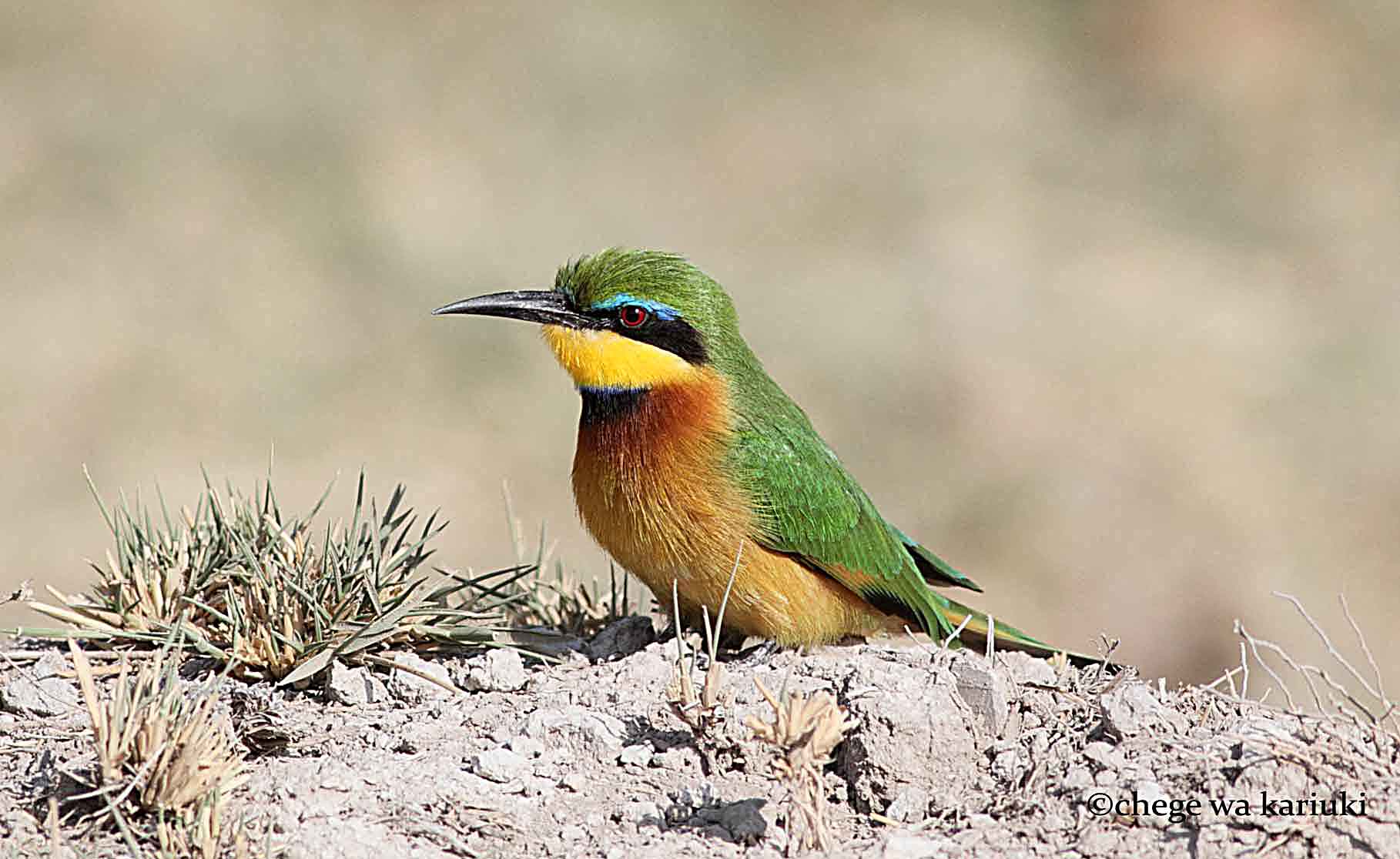
The most rewarding birding holidays allow enough time to observe, listen, photograph, and appreciate the surroundings without rushing from one sighting to the next.
Tanzania’s birdlife offers an exceptional reason to explore beyond the familiar safari highlights. With thoughtful planning, the right guide, and an itinerary suited to your interests, a birdwatching adventure can reveal a remarkable side of the country.
Frequently Asked Questions About Tanzania Bird Watching Adventure Experiences
How many bird species can be found in Tanzania?
Tanzania has more than 1,100 recorded bird species. The exact total can vary as classifications and records are updated, but the country’s range of habitats makes it one of Africa’s important birdwatching destinations.
What is the best time for birdwatching in Tanzania?
November to April is particularly rewarding for migratory birds from Europe and Asia. June to October often provides easier travel conditions and good opportunities to combine birdwatching with a conventional wildlife safari.
Which places are best for birdwatching in Tanzania?
Popular destinations include Arusha National Park, Tarangire National Park, Lake Manyara National Park, the Ngorongoro Conservation Area, Serengeti National Park, and Lake Natron. Udzungwa Mountains and Pemba Island are especially interesting for specialist birdwatchers seeking restricted-range species.
Can beginners enjoy a Tanzania birdwatching safari?
Absolutely. Beginners can enjoy Tanzania’s colorful and recognizable birds while learning identification skills from an experienced guide. A trip can be designed around a comfortable pace and accessible destinations, with no previous birdwatching experience required.
Do I need a specialist birdwatching guide?
A specialist guide is particularly useful if your goal is to identify many species, search for endemic birds, or explore forest habitats. A knowledgeable guide can recognize calls, distinguish similar species, and help you find birds that might otherwise go unnoticed.
What equipment should I bring for birdwatching in Tanzania?
Binoculars are the most useful essential item. A field guide or identification application, notebook, camera if desired, comfortable clothing, suitable footwear, sun protection, and rain protection will also improve the experience.
Can I combine birdwatching with the Great Migration safari?
Yes. Serengeti birdwatching can be combined with the Great Wildebeest Migration, allowing you to enjoy birdlife alongside the movement of wildebeest and other wildlife. Your route and timing should reflect both the migration pattern and your birding interests.
Is Tanzania suitable for bird photography?
Yes. The country’s wetlands, woodlands, forests, and open plains provide opportunities for photographing a wide range of birds. Binoculars, a telephoto lens, patience, and a guide familiar with local birdlife can be especially helpful.
Can I see endemic birds in Tanzania?
Yes. Tanzania has endemic and restricted-range species, particularly in the Eastern Arc Mountains and on islands such as Pemba. Finding these birds often requires a specialist itinerary and guides familiar with the relevant habitats.
How many days should I spend on a Tanzania birding safari?
Three to four days can provide a useful introduction, while five to seven days allows more time to explore several destinations. Dedicated birdwatchers seeking a wider range of habitats or specialist species may benefit from ten days or longer.
Is birdwatching possible throughout the year?
Yes. Resident birds can be observed throughout the year, although species activity and visibility change with the seasons. Migratory birds are an additional attraction during the northern hemisphere’s winter, while dry-season conditions can make travel between destinations easier.
Can birdwatching be combined with Zanzibar?
Yes. A Tanzania birdwatching itinerary can be extended with time in Zanzibar or Pemba. Pemba is particularly interesting for travelers seeking island birdlife, while Zanzibar also provides opportunities to explore coastal and forest habitats alongside a beach holiday.