

Learn the minimum age to climb Kilimanjaro, whether children can summit, family safety considerations, route planning, preparation and tips for a successful trek.
Climbing Mount Kilimanjaro is often seen as a once-in-a-lifetime adventure, and many families visiting Tanzania wonder whether children and teenagers can take part in the experience. One of the first questions parents usually ask is: What is the minimum age to climb Kilimanjaro?
The official rules are important, but age is only one part of deciding whether a young person is ready for a Kilimanjaro trek. The mountain reaches 5,895 metres (19,341 feet) above sea level, and the physical demands of several consecutive days of trekking, combined with high altitude, cold temperatures and the long summit night, require proper preparation. Tanzania National Parks (TANAPA) describes Kilimanjaro as Africa’s highest peak and states that reaching Kibo generally takes between 5 and 8 days depending on the route.
For families considering a Kilimanjaro climb, understanding the official age requirements, altitude considerations, route choice, preparation and practical responsibilities can make planning much easier.
At Animalia Treks and Safaris, we believe a family Kilimanjaro experience should be planned around the individual climber rather than age alone. A child who is legally old enough to climb still needs to be physically prepared, comfortable with long days of walking and able to communicate clearly with the mountain team.
What Is the Minimum Age to Climb Kilimanjaro?
The minimum age for climbing Mount Kilimanjaro is 10 years old under the current Tanzania National Parks rules.
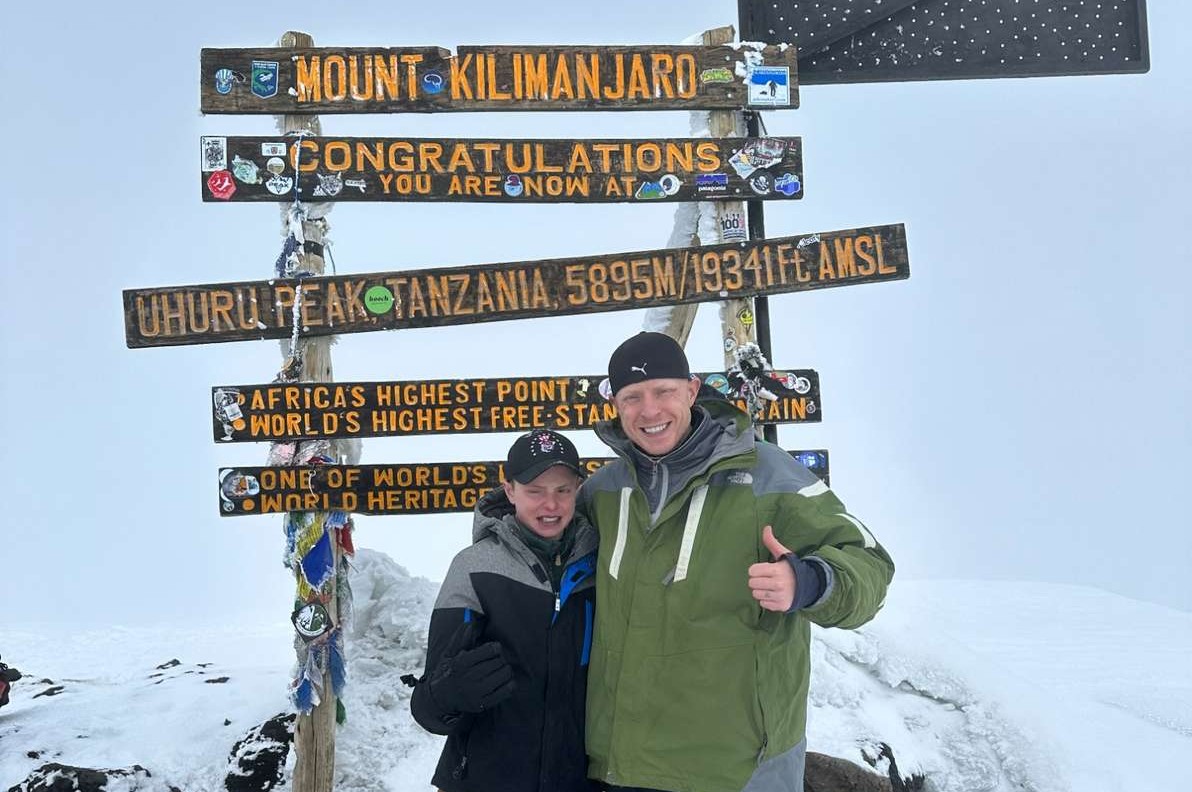
TANAPA’s published park regulations state that children under 10 years of age are not allowed to go beyond 3,700 metres above sea level. This is particularly important because the summit of Kilimanjaro is at 5,895 metres, meaning children below the minimum age cannot undertake a normal summit attempt.
Therefore, families planning a standard Kilimanjaro summit should use 10 years as the minimum age requirement when planning their trip.
However, this should not be interpreted as meaning that every 10-year-old is automatically ready to climb Kilimanjaro. The official age requirement establishes eligibility, while readiness depends on several other factors.

Why Is There a Minimum Age for Kilimanjaro?
Kilimanjaro is not a technical mountain in the sense of requiring advanced rock climbing or mountaineering skills on the standard trekking routes. However, it is a very high-altitude mountain.
The final summit, Uhuru Peak, stands at 5,895 metres, where the amount of available oxygen is considerably lower than at sea level.
Young climbers therefore need to be able to recognize and communicate how they are feeling during the trek.
A child may be physically capable of walking long distances but still find it difficult to explain symptoms such as headache, nausea, dizziness, unusual tiredness or other changes in how they feel.
This is one reason why parents should think beyond the question of whether their child meets the minimum age.
The more useful question is:
Is my child physically and emotionally prepared for a multi-day high-altitude mountain trek?
Can a 10-Year-Old Climb Kilimanjaro?
Yes, a 10-year-old meets the current minimum age requirement for a standard Kilimanjaro climb.
However, being 10 does not automatically mean that a child should climb.
Children of the same age can have very different levels of physical fitness, hiking experience, confidence and ability to cope with challenging environments.
For a 10-year-old, parents should consider whether the child is already comfortable with long walks, outdoor conditions and several consecutive days of physical activity.
It is also important that the child genuinely wants to participate.
A Kilimanjaro climb should not be treated as a challenge that a child must complete simply because the rest of the family is doing it.
Is There a Maximum Age for Climbing Kilimanjaro?
There is no general maximum age stated in TANAPA’s Kilimanjaro park information comparable to the minimum age restriction.
Older travelers can and do undertake high-altitude treks, but age becomes only one consideration among health, fitness, previous hiking experience and individual tolerance of altitude.
An older traveler should discuss their plans with a qualified healthcare professional before undertaking a high-altitude trek, particularly if they have existing medical concerns.
The same principle applies to every climber: eligibility to enter the mountain does not guarantee that the individual will be able to safely complete the summit attempt.

Age Is Only One Part of Kilimanjaro Preparation
Parents sometimes focus heavily on the number of years their child has lived, but age alone does not tell the full story.
A young climber preparing for Kilimanjaro should ideally have some experience with walking or hiking and should be comfortable spending several hours outdoors.
They should also understand that the mountain becomes progressively colder and more demanding as the trek continues.
A child who enjoys a two-hour family walk may still need preparation before attempting multiple days of mountain trekking.
The objective is not to turn a child into an elite athlete. It is to help them become comfortable with the type of physical activity they will encounter on the mountain.
Physical Preparation for Children Climbing Kilimanjaro
Children should prepare gradually rather than suddenly increasing their activity shortly before departure.
Regular walking, hiking, stair climbing and other age-appropriate physical activities can help develop endurance.
Family hikes can also be particularly useful because they allow parents to observe how their child handles longer distances, uneven terrain and changes in weather.
Training should remain appropriate for the child’s age. Parents should not attempt to create an intensive adult-style training programme for a young climber without appropriate professional guidance.
The goal is simply to arrive in Tanzania prepared for several days of steady walking.
Previous Hiking Experience Can Help
A child does not necessarily need previous mountain-climbing experience to climb Kilimanjaro.
However, previous hiking experience can be helpful.
A young person who has already completed long walks or multi-day outdoor activities may have a better understanding of what it means to keep walking when the trail becomes tiring.
This experience also helps parents understand how their child responds to physical fatigue.
Kilimanjaro is not a competition, so there is no benefit in comparing a child with another climber.
Every member of a family group should be allowed to move at an appropriate pace.
The Importance of Choosing the Right Kilimanjaro Route
Route selection becomes particularly important when planning a family climb.
TANAPA states that climbing to Kibo generally takes 5 to 8 days depending on the route, and notes that additional days can increase the opportunity for acclimatization.
For families, it is useful to look beyond the shortest itinerary.
A longer itinerary can provide a more gradual progression in altitude and additional time for the body to adjust.
At Animalia Treks and Safaris, route selection should be based on the family’s experience, available time, fitness and the age of the youngest climber rather than simply choosing the shortest or least expensive option.

Longer Itineraries Can Provide More Acclimatization Time
The body needs time to adapt to increasing altitude.
This is especially important on Kilimanjaro because the summit is almost 5,900 metres above sea level.
A family itinerary should therefore allow sufficient time for steady ascent and rest.
The official TANAPA information notes that Kilimanjaro climbs generally take 5 to 8 days depending on the route.
For a family with a younger climber, discussing a longer itinerary with the trekking operator may be appropriate.
Why “Pole Pole” Is Especially Important for Young Climbers
One of the most important phrases you will hear on Kilimanjaro is “pole pole,” meaning “slowly, slowly.”
The principle is simple: the objective is to maintain a steady, manageable pace rather than trying to walk quickly.
Children can sometimes become excited and naturally want to move ahead of the group. On Kilimanjaro, however, conserving energy and maintaining a consistent pace is more important than speed.
The guide should establish the pace for the group.
Parents should also avoid encouraging children to rush simply because they are feeling energetic during the first days of the trek.
Altitude and Children on Kilimanjaro
Altitude is one of the most important considerations for any Kilimanjaro climber.
As elevation increases, atmospheric pressure decreases and the body receives less oxygen.
Altitude-related symptoms can include headache, nausea, dizziness, fatigue and difficulty sleeping. More serious altitude illness can develop in some circumstances.
For children, communication is particularly important.
Parents should encourage their child to tell the guide immediately if they feel unwell rather than trying to hide symptoms.
A child should never feel that reporting a headache or feeling sick means they have failed the challenge.
Children Must Be Able to Communicate Clearly
This is an important consideration when deciding whether a child is ready.
A young climber should be able to tell an adult when something feels wrong.
Parents and guides should be able to distinguish between normal tiredness after hiking and symptoms that may require closer attention.
The child should understand that honesty is more important than reaching the summit.
If a climber becomes seriously unwell, the appropriate decision may be to stop ascending or descend.
The summit should never take priority over health and safety.

Parents Should Not Put Pressure on Children to Summit
Family Kilimanjaro climbs can create wonderful memories, but parents should avoid turning the summit into a requirement.
A child may begin the trek feeling excited and later discover that the altitude, cold or long walking days are more difficult than expected.
The family should be prepared for the possibility that one member may need to stop before reaching Uhuru Peak.
That is not a failure.
A responsible mountain experience is about making appropriate decisions based on the conditions and the climber’s wellbeing.
What Should Children Pack for Kilimanjaro?
Children need essentially the same basic mountain equipment as adult climbers, but the equipment must be appropriately sized and comfortable.
Warm clothing is particularly important because temperatures become much colder at higher elevations.
A child’s Kilimanjaro clothing system should allow layers to be added or removed as temperatures change.
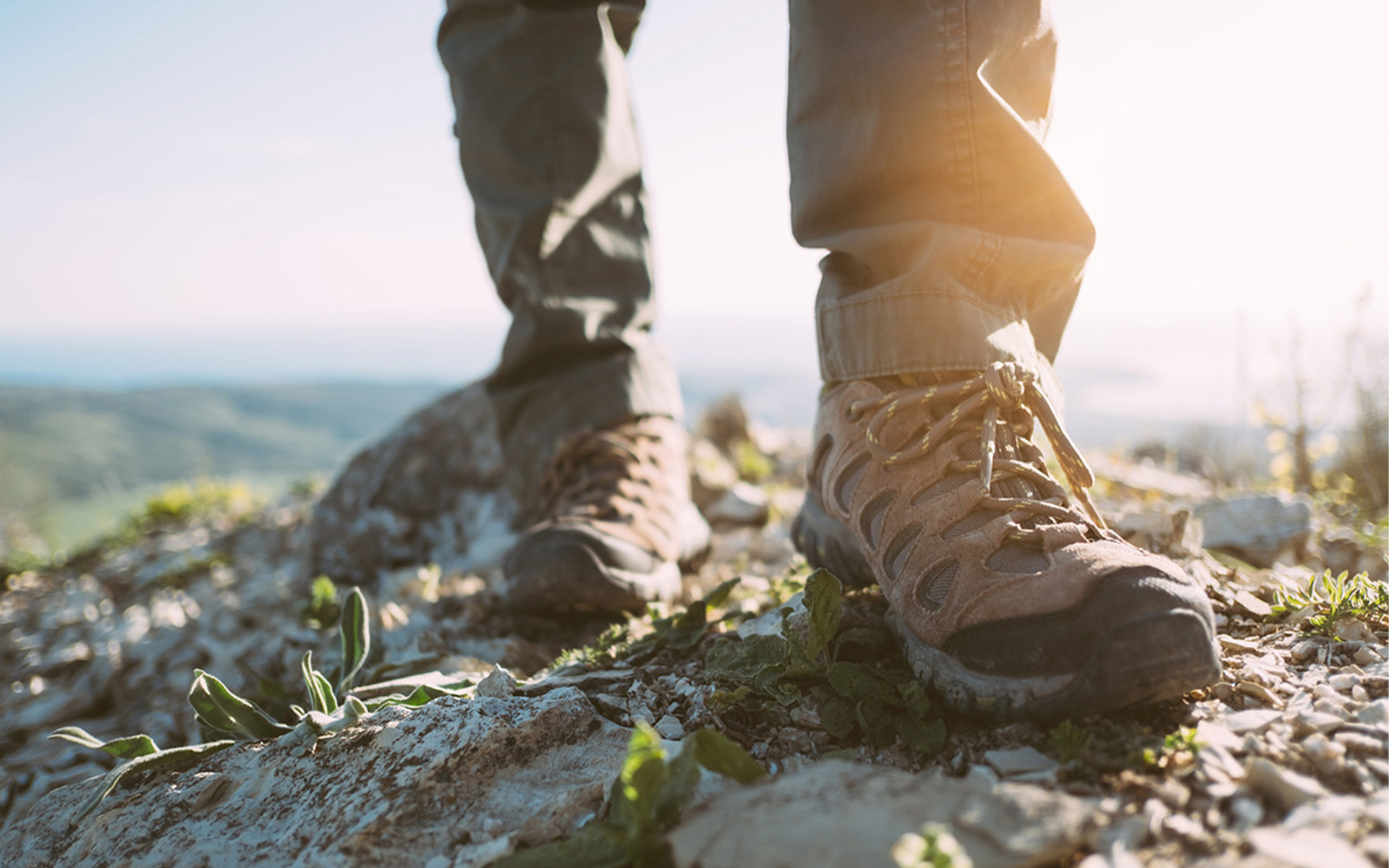
Comfortable hiking boots should also be worn and tested before the trek.
There is nothing worse than discovering halfway up the mountain that a pair of new boots causes painful blisters.
Parents should also make sure children have suitable protection from rain, wind and sun.
Warm Clothing Is Essential
Although Tanzania is located near the equator, Kilimanjaro’s summit environment can be extremely cold.
The mountain passes through different climatic zones as you climb, and conditions near Uhuru Peak are very different from those around the lower slopes.
Children can be particularly uncomfortable when cold, so warm layers should be easily accessible.
For the summit attempt, appropriate insulation, gloves, warm headwear and a weather-resistant outer layer are essential parts of preparation.
Choose Comfortable Hiking Boots
Good footwear is important for the entire family.
Children should have properly fitting hiking boots that provide adequate support and grip.
The boots should be broken in before arriving in Tanzania.
Parents should also bring appropriate hiking socks and consider carrying spare socks in case the child’s feet become wet.
Small discomforts can become significant problems after several hours of walking.
Can Families Climb Kilimanjaro Together?
Yes. Family Kilimanjaro climbs can be organized for families with eligible children.
A private trek is particularly useful because the pace and daily routine can be adapted more easily around the family.
Instead of trying to match an unrelated group, the family can communicate directly with the guide about how everyone is feeling.
The trekking team can also pay closer attention to the youngest climber.
For families, the mountain experience can become an opportunity to spend meaningful time together away from everyday routines.
Why a Private Kilimanjaro Climb Can Work Well for Families
A private climb gives families greater flexibility in how they approach the mountain.
The group can discuss the walking pace, rest breaks, meal timing and other practical details with the guide.
This can be particularly valuable when children are involved because younger climbers may need additional encouragement or occasional adjustments to the daily rhythm.
A private climb also allows the family to travel together without having to adapt completely to another group’s pace.
Animalia Treks and Safaris can tailor private Kilimanjaro trekking arrangements according to the family’s preferred route, duration and travel plans.
What About Teenagers?
Teenagers can also enjoy Kilimanjaro, particularly if they already participate in hiking, sports or other physical activities.
However, teenagers should not be assumed to be ready simply because they are older than the minimum age.
They still need appropriate preparation, suitable equipment and enough time for acclimatization.
The advantage with teenagers is often that they can take greater responsibility for their own equipment and communicate more clearly about how they are feeling.
Parents should nevertheless continue to monitor them throughout the trek.
Can Younger Children Visit Kilimanjaro Without Climbing to the Summit?
Yes, visiting the Kilimanjaro area and climbing to the summit are different experiences.
TANAPA’s park regulations specifically restrict children under 10 from going beyond 3,700 metres above sea level.
Families traveling with younger children can therefore consider other Tanzania experiences instead of attempting a full Kilimanjaro summit.
A Tanzania family holiday can combine wildlife safaris, cultural experiences, waterfalls, coffee tours and other age-appropriate activities.
Mount Kilimanjaro can still be part of the trip without every family member necessarily attempting the summit.
Kilimanjaro With Children and a Tanzania Safari
For families traveling to Tanzania, combining a Kilimanjaro trek with a safari can create a varied holiday.
After several days on the mountain, a safari provides a completely different experience.
Families can explore Tanzania’s wildlife areas and look for elephants, lions, giraffes, zebras and other wildlife from a safari vehicle.
Depending on the family’s interests and available time, a Kilimanjaro and safari combination can include destinations such as Tarangire National Park, Ngorongoro Crater and Serengeti National Park.
For younger children who cannot legally undertake a Kilimanjaro summit climb, a safari can also become the main adventure while older family members undertake the mountain trek.
Medical Preparation Before a Family Kilimanjaro Climb
Because Kilimanjaro is a high-altitude environment, parents should discuss the planned trek with a qualified healthcare professional before traveling, particularly if their child has any existing medical considerations.
The purpose is not to create unnecessary concern but to make sure the family understands the physical demands and whether any individual precautions are appropriate.
Parents should also tell the trekking company about relevant medical information that could affect the climb.
The mountain team needs accurate information in order to respond appropriately if a problem occurs.
Travel Insurance for a Family Kilimanjaro Trek
Travel insurance should be reviewed carefully before departure.
Families should check whether their policy covers high-altitude trekking and any emergency medical treatment or evacuation that may be required.
Do not assume that a normal holiday insurance policy automatically covers every aspect of a Kilimanjaro climb.
Check the altitude limits and adventure-activity conditions in the policy before traveling.
What Documents Should Parents Carry?
Parents should travel with appropriate identification documents for every family member.
A child’s passport is particularly important because the trekking operator and park authorities may need to verify age.
It is also useful to keep copies of important travel documents securely available during the trip.
Before departure, Animalia Treks and Safaris can advise families on the documentation required for their particular itinerary.
Is Kilimanjaro Suitable for Every Child?
No.
The fact that a child has reached the official minimum age does not mean that a Kilimanjaro climb is automatically suitable.
Parents should consider the child’s physical preparation, hiking experience, attitude toward the challenge and ability to communicate clearly.
The child should also genuinely want to climb.
If a child is frightened, unwilling or uncomfortable with long days of hiking, parents should reconsider whether a summit attempt is appropriate.
There are many other ways for children to enjoy Tanzania.

What Is the Best Age to Climb Kilimanjaro?
There is no single age at which every child becomes ready.
The official minimum is 10 years, but families may choose to wait longer depending on the child’s maturity, hiking experience and overall readiness.
Some children may be enthusiastic and well prepared at the minimum age, while others may benefit from waiting several years.
This is why the question should not simply be:
“How old is my child?”
Instead, ask:
“Is my child ready for several days of mountain trekking at high altitude?”
That is a much more useful starting point for planning.
How Animalia Treks and Safaris Can Help With Family Kilimanjaro Climbs
Planning a Kilimanjaro climb with children requires more attention to itinerary, pacing, equipment and communication than simply booking a standard mountain package.
At Animalia Treks and Safaris, we can help families evaluate their preferred route, trekking duration and practical requirements before traveling to Tanzania.
We can also combine your Kilimanjaro experience with a Tanzania safari, cultural experience or Zanzibar beach holiday, allowing the family to create a complete Tanzania itinerary around everyone’s interests.
Our goal is to help families approach Kilimanjaro realistically and responsibly, with the understanding that the health and wellbeing of every climber comes before reaching the summit.
Frequently Asked Questions About the Kilimanjaro Age Limit
What is the minimum age to climb Kilimanjaro?
The current minimum age for a standard Kilimanjaro summit climb is 10 years old. TANAPA regulations state that children under 10 are not allowed to go beyond 3,700 metres above sea level.
Can a 10-year-old climb Mount Kilimanjaro?
A 10-year-old meets the current minimum age requirement, but parents should also consider physical preparation, hiking experience, maturity and the child’s ability to communicate symptoms at altitude.
Is there a maximum age for Kilimanjaro?
There is no general maximum age limit comparable to the minimum-age rule. Older climbers should consider their individual health, fitness and previous experience with strenuous activity before planning a high-altitude trek.
Can children under 10 climb Kilimanjaro?
Children under 10 are not permitted to go beyond 3,700 metres under TANAPA’s published park regulations, so they cannot undertake a standard summit climb to Uhuru Peak.
What is the best Kilimanjaro route for families?
The appropriate route depends on the family’s age, hiking experience, available time and preferred itinerary. Longer routes can provide more time for acclimatization. TANAPA states that Kilimanjaro climbs generally take 5 to 8 days depending on the route.
Do children need previous mountain-climbing experience?
No technical climbing experience is required on the standard trekking routes. However, previous hiking and long-distance walking experience can help a child understand what to expect.
Can families book a private Kilimanjaro climb?
Yes. A private trek allows the itinerary and pace to be organized around the family rather than a larger group.
Should children train before climbing Kilimanjaro?
Yes. Age-appropriate walking, hiking and other physical activities can help children prepare for the multi-day trekking demands of Kilimanjaro.
What if my child becomes sick on the mountain?
Tell the guide immediately. The trekking team can assess the situation and determine whether the climber should rest, stop ascending or descend. A child should never be encouraged to hide symptoms simply to continue toward the summit.
Can we combine a Kilimanjaro climb with a Tanzania safari?
Absolutely. Kilimanjaro and a Tanzania safari can be combined into one family holiday, creating an itinerary that includes mountain trekking and wildlife experiences.