

Learn essential Kilimanjaro Climbing Safety Information, including acclimatization, altitude, weather, equipment, guides and practical trekking advice.
Climbing Mount Kilimanjaro is one of the most memorable adventures you can experience in Tanzania. Rising to 5,895 metres (19,341 feet) above sea level, Kilimanjaro is Africa’s highest mountain and attracts trekkers from around the world who come to experience its changing landscapes and reach Uhuru Peak. However, climbing such a high mountain requires proper preparation, patience and respect for the environment and the conditions you may encounter along the way.
Understanding Kilimanjaro climbing safety information before your trek can make a significant difference to your experience. Safety on the mountain is not about being the strongest or fastest climber. It is about choosing an appropriate itinerary, allowing enough time for acclimatization, walking at a sensible pace, carrying suitable equipment, listening to your mountain guide and knowing when your body needs rest or when conditions require a change of plan.
At Animalia Treks and Safaris, we believe that reaching the summit should never come at the expense of your wellbeing. A successful Kilimanjaro climb is one where you enjoy the journey, respect the mountain and make sensible decisions throughout the trek.
Is Climbing Mount Kilimanjaro Safe?
Kilimanjaro can be climbed safely by many travelers when the trek is properly planned and conducted with experienced guides. Nevertheless, it is important to remember that this is a high-altitude mountain, not an ordinary hiking trail.
As you climb higher, the air becomes thinner, temperatures fall and weather conditions can change quickly. The combination of altitude, physical exertion, cold and long hiking days means that even fit travelers need to approach the mountain carefully.
TANAPA recommends that climbers ascend slowly, allow time for acclimatization, carry sufficient water and follow their guide’s instructions. Kilimanjaro climbs must also be undertaken with a licensed operator, and solo trekking is not permitted.
The most important part of Kilimanjaro safety is therefore not simply physical strength. It is preparation, good pacing, proper acclimatization and communication with your trekking team.

Altitude Is the Main Safety Consideration
For most climbers, altitude is the most important difference between Kilimanjaro and a normal mountain hike.
At 5,895 metres, Uhuru Peak is high enough for the reduced availability of oxygen to affect the body. Some trekkers experience headaches, tiredness, nausea, dizziness or difficulty sleeping as they gain altitude. These symptoms can vary from person to person, and feeling strong at the beginning of the climb does not necessarily predict how your body will respond at higher elevations.
This is why Kilimanjaro should be climbed gradually.
Your guide will monitor your pace and general condition throughout the trek. If you feel unusual symptoms, tell your guide rather than trying to hide them. Early communication allows the trekking team to make appropriate decisions about rest, pace and acclimatization.
A longer itinerary can also provide more opportunity for your body to adjust to altitude. TANAPA currently states that reaching Kibo generally takes between five and eight days depending on the route and notes that additional days can improve the opportunity for acclimatization.
Why Acclimatization Matters on Kilimanjaro
Acclimatization is the process through which your body gradually adjusts to higher altitude.
There is no shortcut that guarantees your body will adapt in exactly the same way as another climber. Two people of similar age and fitness can have very different experiences at altitude.
For this reason, your Kilimanjaro itinerary should not be selected simply because it is the cheapest or shortest option.
Giving yourself enough time on the mountain allows you to progress gradually rather than gaining altitude too quickly. Your guide can also observe how you are responding and make adjustments when necessary.
This is one of the reasons experienced trekking companies place considerable attention on route selection and the number of days spent on the mountain.
Walk Slowly and Follow the Pace of the Guide
One of the phrases you are likely to hear repeatedly on Kilimanjaro is “pole pole,” which means “slowly, slowly” in Swahili.
It is more than a friendly expression. It reflects an important part of climbing Kilimanjaro safely.
You may normally walk quickly when hiking at home, but altitude changes the experience. A steady pace helps conserve energy and gives your body more time to adjust as you climb.
Do not worry if your guide appears to be walking more slowly than you expected. The objective is not to reach camp first. The objective is to maintain a sustainable pace throughout the entire trek.
Your guide knows the mountain, understands the terrain and can help establish a rhythm suitable for the group.
Listen to Your Body
Kilimanjaro is not the place to ignore what your body is telling you.
You may experience tiredness after several hours of walking, but unusual or worsening symptoms should always be communicated to your guide.
If you develop a persistent headache, significant dizziness, nausea, vomiting, unusual weakness, difficulty walking or breathing problems, let your guide know immediately.
Some altitude symptoms can be mild, but serious altitude illness requires prompt action. The important principle is simple: never hide symptoms because you are afraid of missing the summit.
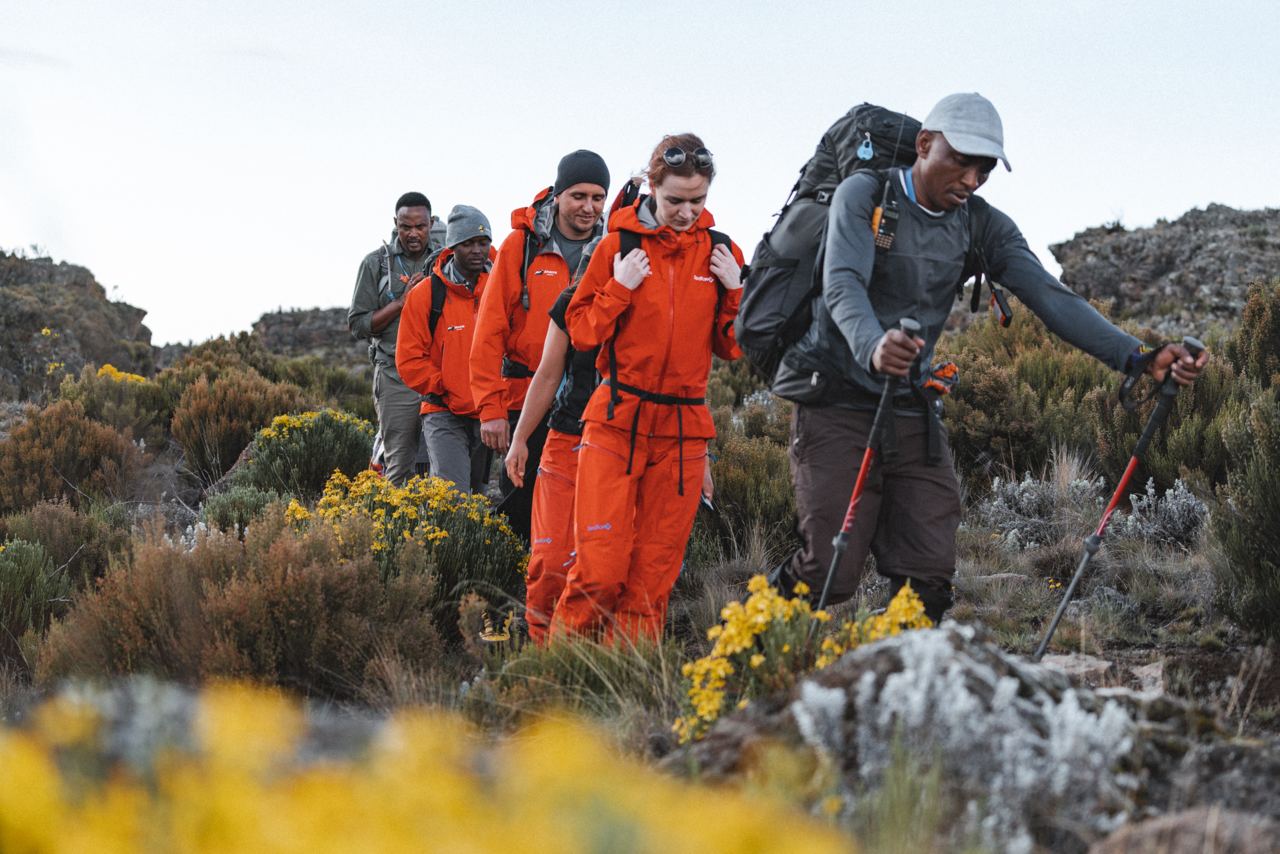
A responsible guide will always be more interested in your wellbeing than in forcing you to continue.
Choosing the Right Kilimanjaro Route
Safety begins before you arrive in Tanzania.
Kilimanjaro has several established routes, each with its own character, scenery, duration and acclimatization profile. Choosing the right route should therefore involve more than comparing prices.
Some routes are shorter, while others allow a longer progression toward the summit. Some are more popular, while others provide a different approach to the mountain.
TANAPA currently identifies six main mountain trails to Kibo and notes that routes present different attractions and challenges.
For many first-time climbers, allowing sufficient time on the mountain is more important than choosing the shortest itinerary available.
Animalia Treks and Safaris can help you compare the available routes according to your experience, travel dates, preferred scenery and the amount of time you have available.
Weather Can Change Quickly
Kilimanjaro passes through several climatic zones as you gain altitude, meaning that conditions can be very different at the trailhead compared with the summit.
You may begin your trek in relatively warm conditions and later experience cold temperatures, strong winds, rain or even freezing conditions near the summit.
This is one reason proper clothing is essential.
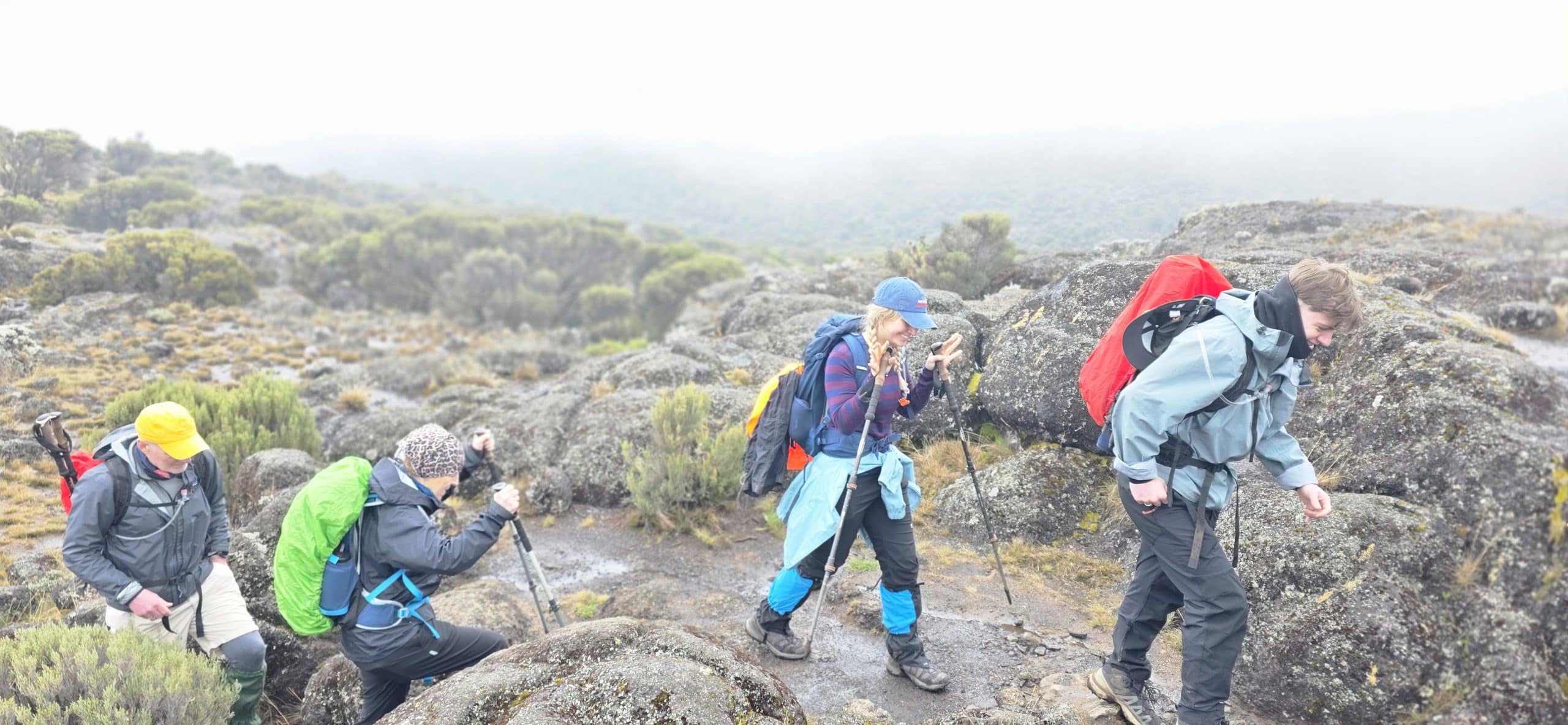
Rather than relying on one heavy jacket, climbers generally benefit from a layering system that allows them to adjust their clothing as conditions change. Waterproof protection is also important because rain can occur during the trek.
TANAPA specifically advises climbers to carry warm and weatherproof clothing and suitable footwear.
Preparing for Cold Conditions
The fact that Kilimanjaro is located close to the equator does not mean the summit is warm.
At nearly 5,900 metres, temperatures near Uhuru Peak can be extremely cold, particularly during the nighttime summit attempt.
You should therefore be prepared for significantly colder conditions as you climb higher. Warm layers, gloves, a suitable hat and good-quality waterproof clothing become increasingly important.
Keeping your clothing dry is also essential. Wet clothing combined with cold temperatures and wind can make the mountain considerably more uncomfortable and can increase the risk of becoming dangerously cold.
Staying Hydrated on the Mountain
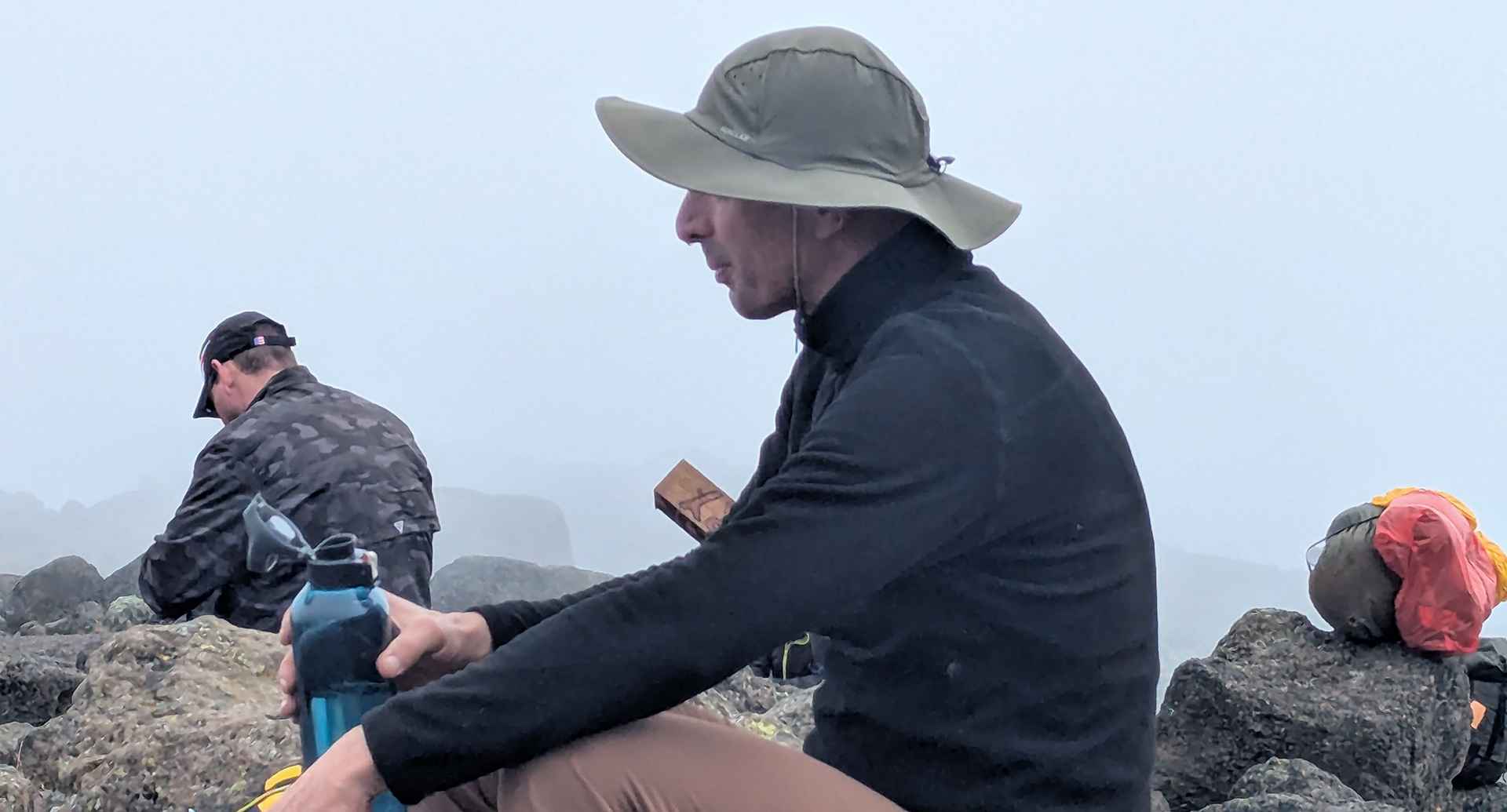
Water is an essential part of every Kilimanjaro trek.
You should drink regularly throughout the day and make sure you have an adequate supply available during each stage of the route. Your trekking operator should explain how water is provided, treated and replenished during the climb.
Hydration is important for general wellbeing, but it should not be considered a replacement for proper acclimatization.
Your guide will also help you maintain a sensible routine of walking, resting, eating and drinking throughout the day.
Eating and Maintaining Your Energy
Kilimanjaro requires sustained physical effort over several days, so nutrition is another important part of preparation.
You will need enough energy to walk for several hours each day, recover at camp and continue the following morning.
A good trekking meal plan should provide a balance of carbohydrates, protein and other nutrients. Many climbers also carry small personal snacks for use during the day’s walk.
Your appetite may change as you gain altitude, but it is still important to maintain regular nutrition as much as possible.
Take Care of Your Feet
Your feet carry you up and down the mountain, so footwear deserves particular attention.
Comfortable hiking boots with good grip are important because Kilimanjaro includes rocky, uneven and sometimes wet terrain.
Do not wait until your arrival in Tanzania to discover whether your boots are comfortable. Wear them during training walks before the climb so your feet can become accustomed to them.
Good socks are equally important, particularly during long hiking days.
Small problems such as blisters can become increasingly uncomfortable when you still have several days of trekking ahead.
Summit Night Requires Extra Preparation
The final ascent to Uhuru Peak is usually the most demanding section of the climb.
Most groups begin their summit attempt during the night, when temperatures are low and the trail is dark. The climb then continues toward the summit, with many trekkers reaching Uhuru Peak around sunrise depending on their pace and itinerary.
This part of the trek requires patience and good preparation.
Your headlamp should be ready before leaving camp, warm clothing should be easily accessible and you should follow your guide’s pace rather than trying to move faster than the group.
The summit is the objective, but the condition of the climber always comes first.
Know When to Stop or Descend
One of the hardest decisions for a climber can be accepting that continuing upward is no longer the right choice.
After months of planning and significant financial investment, it is understandable that you may be determined to reach Uhuru Peak.
However, the mountain should never be treated as a test that must be won at any cost.
If your health deteriorates or your guide determines that continuing would be unsafe, descending can be the responsible decision.
A successful mountain operator understands that safety is more important than a summit photograph.
The Role of Your Kilimanjaro Guide
Your guide is one of the most important parts of your safety system on the mountain.
A knowledgeable guide understands the route, terrain, weather patterns and challenges associated with different sections of the climb. More importantly, your guide spends the trek observing the group and can identify when someone is struggling.
TANAPA requires Kilimanjaro climbs to be guided by a licensed operator and advises climbers to listen to their guide and remain with them.
For this reason, choosing your trekking company should be based on more than price. Ask about the experience of the mountain guides, how the company handles emergencies and what support is available throughout the trek.
Stay With Your Group
Kilimanjaro should not be approached as an individual race.
Stay with your group and follow the instructions of your guide. If you need to stop for a rest or feel unwell, tell your guide rather than walking away from the group.
This becomes particularly important in poor visibility, bad weather or during the summit attempt when the trail can be dark.
TANAPA’s mountain safety guidance specifically advises climbers to listen to their guide and not lose sight of them.
Use the Designated Trails
Kilimanjaro is a protected national park, and climbers are expected to remain on designated routes and follow park regulations.
Staying on the established trail is important for both environmental protection and personal safety.
Shortcuts may look tempting in some sections, but they can expose climbers to unstable ground, unnecessary fatigue or navigation problems.
Your guide will know the appropriate route and should always be followed.
Pack for the Mountain, Not Just for Tanzania
A common mistake is packing according to the weather you expect in Tanzania at ground level.
Moshi can be warm, but the summit of Kilimanjaro is a completely different environment.
Your mountain equipment should therefore include appropriate hiking footwear, warm layers, waterproof protection, gloves, headwear, a headlamp, sun protection, water containers and any personal medication you require.
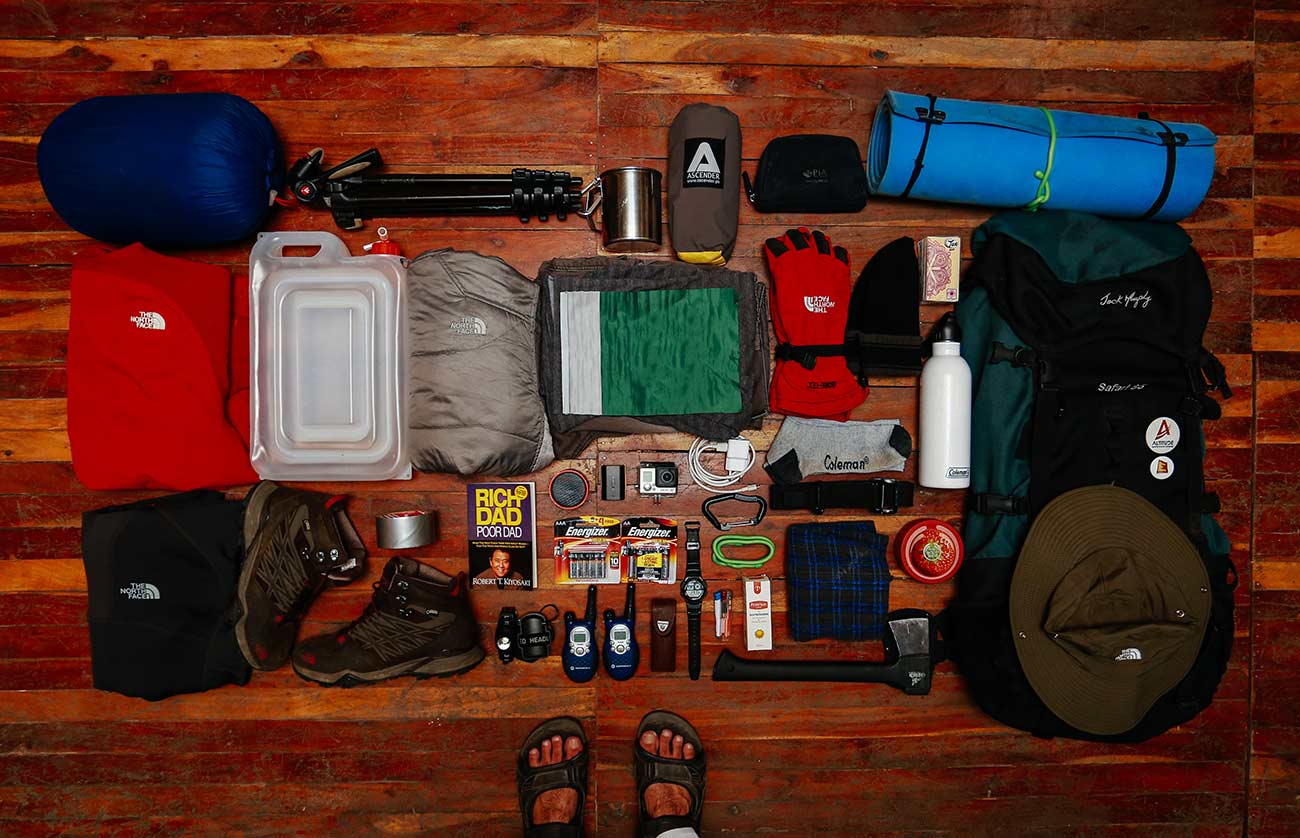
Animalia Treks and Safaris can provide a detailed Kilimanjaro packing list before your climb so that you can prepare according to your selected route and season.
Physical Preparation Helps, but Fitness Is Not Everything
Preparing physically before Kilimanjaro is strongly recommended.
Regular walking and hiking are particularly useful because they allow you to become comfortable spending several hours on your feet. Cardiovascular training and strength exercises can also help prepare your body for the demands of the trek.
However, being extremely fit does not mean you are automatically protected from altitude-related problems.
Kilimanjaro is therefore not simply a test of fitness. Your ability to acclimatize, your pace, your preparation and your response to changing conditions all matter.
Medical Preparation Before Your Kilimanjaro Trek
If you have an existing medical condition, take regular medication or have never traveled to high altitude before, it is sensible to discuss your plans with a qualified healthcare professional before your trip.
This is particularly important because individual medical circumstances can affect how a person responds to high altitude.
Your doctor can also advise you about any medication that may be appropriate for your particular circumstances.
Do not take altitude medication simply because another climber recommends it. Medical decisions should be based on your own health and professional medical advice.
Travel Insurance for Kilimanjaro
Travel insurance is another part of responsible mountain preparation.
Before traveling, check your policy carefully to confirm that it covers high-altitude trekking and any emergency evacuation that may be required.
Do not assume that a standard travel insurance policy automatically covers every activity on Kilimanjaro.
A suitable policy can provide additional protection if illness, injury or another unexpected event affects your trip.

Wildlife and Environmental Safety
Kilimanjaro is not only a mountain; it is also a protected natural environment.
As you climb, you pass through different ecological zones, from montane forest to heath and moorland, alpine desert and the high summit environment. The park supports a variety of wildlife, particularly in the lower elevations.
Visitors should respect the natural environment throughout the trek.
Do not approach or disturb wildlife, leave rubbish along the trail or damage vegetation. Follow the instructions of your guide and use designated camping and waste facilities.
Responsible trekking helps protect Kilimanjaro for future generations.
What Happens If There Is an Emergency?
Before starting your trek, it is worth discussing emergency procedures with your trekking company.
Ask how the team responds if a climber becomes seriously unwell, suffers an injury or is unable to continue.
The exact response will depend on the circumstances, location and severity of the problem, but your trekking operator should have a clear plan for dealing with emergencies.
TANAPA also maintains official park safety procedures and provides guidance for visitors and trekking operators.
Understanding the arrangements before you start can give you greater confidence during your climb.
Choosing a Responsible Kilimanjaro Trekking Operator
Your choice of trekking company is an important part of your preparation.
A responsible operator should provide clear information about the route, number of trekking days, accommodation, equipment, guides, transfers and emergency arrangements before you travel.
Do not judge a Kilimanjaro package only by its advertised price.
A very cheap itinerary may not provide the same level of planning, support or flexibility as a professionally organized climb.
Instead, look for an operator that communicates clearly, uses qualified guides, follows park regulations and takes climber wellbeing seriously.

Kilimanjaro Safety Is a Team Effort
Although preparation begins before you arrive in Tanzania, safety continues throughout the entire trek.
You have a role to play by preparing properly, carrying the right equipment, following the guide’s pace, staying hydrated, eating regularly and communicating honestly about how you feel.
Your guide and trekking team have their own responsibilities, including monitoring the group, managing the itinerary and responding appropriately to changing conditions.
When everyone works together, the climb becomes a more organized and enjoyable experience.
A Safe Kilimanjaro Climb Is Not About Being the Strongest
Many first-time climbers worry that they need to be exceptionally athletic to reach Uhuru Peak.
In reality, a Kilimanjaro climb is about patience and consistency.
Walking slowly, taking appropriate breaks, allowing your body time to adjust and listening to your guide are often more useful than trying to prove how fast or strong you are.
The mountain rewards patience.
Pole pole is not simply a Swahili phrase you hear from your guide. It is a good philosophy for the entire climb.
Plan Your Kilimanjaro Climb With Animalia Treks and Safaris
A safe Kilimanjaro experience begins with good planning.
At Animalia Treks and Safaris, we help travelers prepare for their Kilimanjaro adventure by considering the route, trekking duration, acclimatization, accommodation, transfers and practical requirements of the climb.
Whether you are preparing for your first mountain trek or already have experience at high altitude, our team can help you understand what to expect before you arrive in Tanzania.
Mount Kilimanjaro deserves respect. The objective is not simply to stand at 5,895 metres and take a photograph at Uhuru Peak. It is to experience the mountain responsibly, enjoy its changing landscapes and complete the journey with your health and wellbeing as the priority.
With the right preparation, an appropriate itinerary and an experienced trekking team, you can approach your Kilimanjaro adventure with confidence and focus on enjoying one of Tanzania’s most remarkable experiences.
Frequently Asked Questions About Kilimanjaro Climbing Safety
Is climbing Mount Kilimanjaro safe?
Kilimanjaro can be climbed safely with proper preparation, an appropriate itinerary and professional guiding. However, it remains a high-altitude mountain and should be approached with respect for altitude, weather and changing trail conditions.
What is the biggest safety concern on Kilimanjaro?
Altitude is one of the most important safety considerations. Allowing enough time for acclimatization and ascending gradually are important parts of responsible mountain planning.
How can I improve my safety on Kilimanjaro?
Choose an itinerary with sufficient acclimatization time, walk slowly, stay hydrated, use suitable clothing and equipment, remain with your group and communicate with your guide whenever you feel unwell.
Do I need a guide to climb Kilimanjaro?
Yes. TANAPA states that Kilimanjaro climbs must be conducted with a licensed operator and that solo trekking is not permitted.
What should I do if I feel sick during the climb?
Tell your guide immediately. Do not hide symptoms or continue climbing simply because you are determined to reach the summit. Your guide can assess the situation and determine the safest course of action.
Is Kilimanjaro very cold?
Temperatures become significantly colder as you gain altitude, and the summit can be extremely cold, particularly during the nighttime summit attempt. Warm and weatherproof clothing is therefore essential.
Is physical fitness enough to prepare for Kilimanjaro?
Physical preparation is helpful, but fitness alone does not guarantee that you will acclimatize easily. Your trekking duration, pace and individual response to altitude are also important.
How many days should I spend climbing Kilimanjaro?
The appropriate duration depends on the route and your individual circumstances. TANAPA currently indicates that reaching Kibo generally takes five to eight days depending on the route, with additional time providing more opportunity for acclimatization.
Can weather affect Kilimanjaro safety?
Yes. Conditions can change with altitude and weather can affect visibility, temperature and trail conditions. Climbers should be prepared for rain, wind and cold temperatures and follow their guide’s advice.
What happens if I cannot reach Uhuru Peak?
Your guide will assess your condition and determine the appropriate course of action. If continuing is unsafe, descending is the responsible decision. Reaching the summit is important, but your wellbeing comes first.