
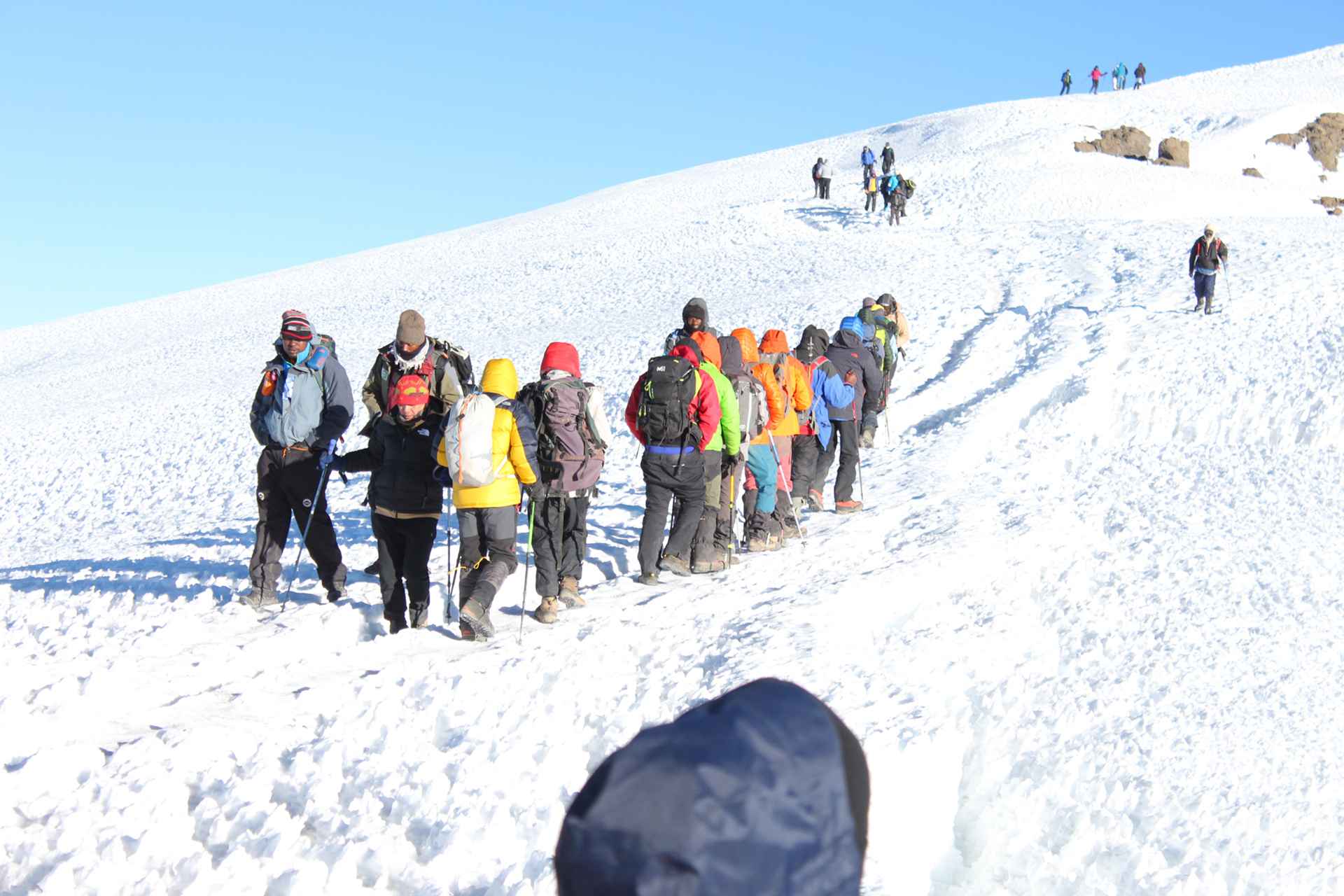
Preparing to climb Mount Kilimanjaro for the first time? Discover essential Kilimanjaro preparation tips covering training, altitude, packing, nutrition, hydration, routes and summit day.
Climbing Mount Kilimanjaro is an unforgettable adventure, but reaching the summit requires more than simply booking a tour and arriving in Tanzania. For first-time climbers, proper preparation can make the experience more comfortable, enjoyable and manageable.
At 5,895 metres (19,341 feet), Mount Kilimanjaro is the highest mountain in Africa. The climb does not require technical mountaineering skills on the standard trekking routes, but the altitude, long hiking days, changing weather and demanding summit night make preparation an important part of the experience.
You do not need to be an elite athlete to climb Kilimanjaro. People with different levels of hiking experience successfully reach Uhuru Peak every year. However, preparing your body, choosing a suitable route, understanding altitude and bringing the right equipment can significantly improve your chances of having a positive climb.
This guide provides practical Kilimanjaro climbing preparation tips for beginners, from the months before your trip to the final preparations for summit day.
Understand What Climbing Kilimanjaro Involves
Before beginning your training, it is important to understand what the Kilimanjaro climb is actually like.
Kilimanjaro is a high-altitude trekking experience rather than a technical rock-climbing expedition. On the standard routes, you generally walk rather than climb with ropes or specialized climbing equipment. The challenge comes primarily from altitude, long hiking days, uneven terrain, changing weather and the cumulative effect of several days on the mountain.
Your pace will normally be slow, particularly at higher elevations. The famous Swahili expression “pole pole”, meaning “slowly, slowly,” is closely associated with climbing Kilimanjaro.
Understanding this before arriving can help beginners avoid one of the most common mistakes: trying to hike too quickly at the beginning of the climb.
Start Preparing Several Months Before Your Climb
One of the best Kilimanjaro preparation tips for beginners is to start early.
You do not need to spend every day training, but giving yourself several months allows you to gradually improve cardiovascular fitness, leg strength and hiking endurance.
If you already exercise regularly, your preparation may involve increasing the amount of walking and hiking you do. If you are relatively inactive, start with manageable activities and gradually increase the duration and intensity.
The goal is not to become a professional athlete. The goal is to make several consecutive days of hiking feel comfortable enough that your body has energy available for the altitude and the summit attempt.
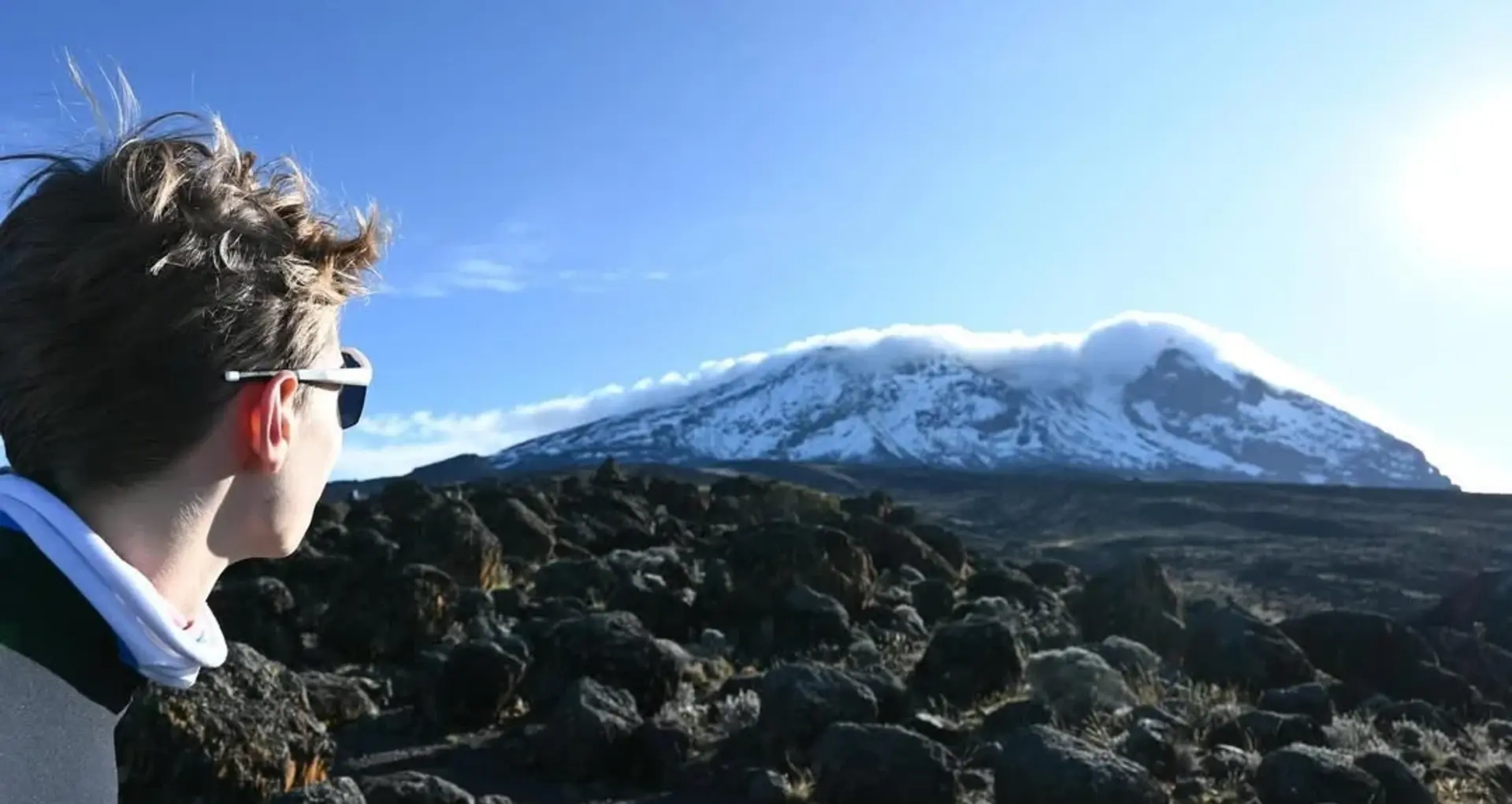
Focus on Walking and Hiking Endurance
Walking and hiking should form the foundation of your Kilimanjaro training.
Whenever possible, include longer walks in your preparation. Start with comfortable distances and gradually increase them as your fitness improves.
If you have access to hills or mountains, hiking uphill and downhill is particularly useful because Kilimanjaro involves sustained elevation gain and loss. If you live somewhere relatively flat, you can use stairs, inclines or a treadmill to introduce elevation into your workouts.
Try to become comfortable walking for several hours at a time. You should also occasionally carry the daypack you expect to use on Kilimanjaro so that you become accustomed to its weight.
Build Stronger Legs
Your legs will do most of the work during the climb.
Exercises such as squats, step-ups, lunges and controlled calf raises can help develop the strength needed for long hiking days. Strength training can complement your walking and hiking rather than replacing it.
You do not need to lift extremely heavy weights. For a beginner, consistency and good technique are more important than attempting maximum loads.
Strong legs can also help you feel more stable when walking on uneven terrain and descending steep sections.
Improve Your Cardiovascular Fitness
Cardiovascular fitness is another useful component of Kilimanjaro preparation.
Activities such as brisk walking, jogging, cycling, swimming or using a stair machine can help improve your aerobic endurance.
You do not necessarily need to run. If running is not something you normally do, brisk walking and uphill exercise can provide useful preparation while placing less impact on your joints.
Try to gradually increase the duration of your aerobic sessions rather than dramatically increasing intensity in a short period.
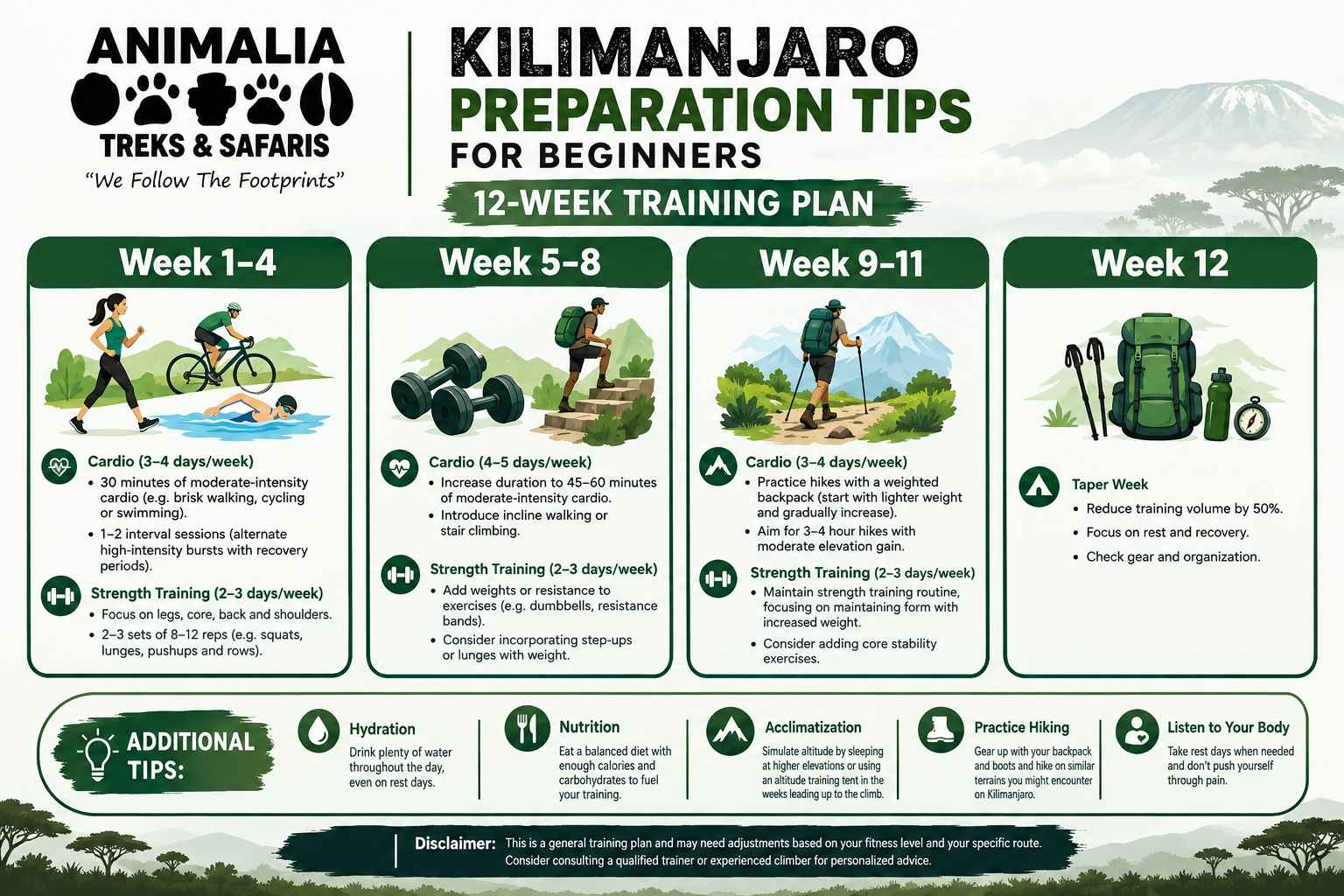
Do Not Forget Recovery
Training harder is not always better.
Your body needs time to recover and adapt to exercise. Rest days are particularly important if you are increasing your walking distance or strength-training volume.
In the weeks immediately before your Kilimanjaro climb, avoid attempting to make major fitness gains through exhausting workouts. Arriving at the mountain tired or injured can make the climb more difficult.
Your final preparation period should focus on maintaining fitness, getting adequate sleep and allowing your body to recover.
Practice Hiking With Your Backpack
Your main luggage will normally be transported by the trekking team, while you carry a daypack containing the things you need during the day’s hike.
It is useful to train with a similar daypack before your trip.
You can gradually become accustomed to carrying water, extra layers, snacks, sunscreen, personal medication and other essentials.
Do not intentionally make your training backpack excessively heavy. The objective is to become comfortable carrying a practical daypack, not to simulate carrying all your luggage up the mountain.
Choose the Right Kilimanjaro Route
Route selection is an important part of preparing for Kilimanjaro.
The mountain has several established trekking routes, including Machame, Lemosho, Rongai, Northern Circuit and Marangu. Each route has its own characteristics in terms of scenery, duration, accommodation style, traffic levels and acclimatization profile.
Beginners should not choose a route simply because it is the cheapest or shortest.
A route with more days can provide additional time for acclimatization, while different routes may appeal to travelers based on scenery, camping preferences and overall trekking experience.
Discuss your fitness, previous hiking experience, available time and expectations with your trekking operator before choosing a route.

Give Acclimatization the Attention It Deserves
Altitude is one of the most important considerations when preparing to climb Kilimanjaro.
The physical fitness that helps you hike efficiently does not make you immune to altitude illness. Your body needs time to adapt to reduced oxygen availability as you ascend.
This is one reason longer Kilimanjaro itineraries can be advantageous. Additional days can provide a more gradual ascent and more opportunities for your body to acclimatize.
A good trekking itinerary should not be designed around reaching the summit as quickly as possible.
Learn About Altitude Sickness Before You Travel
Every beginner preparing for Kilimanjaro should understand the basic signs of altitude illness.
Symptoms can include headache, nausea, dizziness, unusual fatigue, loss of appetite and sleep disturbance. More serious altitude-related illness can become life-threatening and requires immediate action.
Do not attempt to diagnose or treat serious altitude symptoms yourself. Your mountain guide and trekking team should monitor you throughout the climb and make decisions about descent or evacuation when necessary.
Before travelling, speak with a qualified healthcare professional about altitude exposure, especially if you have existing medical conditions or take regular medication.
Walk Slowly on the Mountain
One of the most important Kilimanjaro climbing tips is deceptively simple: slow down.
Beginners often feel strong during the first day or two and may naturally want to walk at their normal hiking pace. However, Kilimanjaro is not a race.
A slow, controlled pace conserves energy and can make it easier to manage the increasing altitude.
Your guide will normally establish an appropriate pace for the group. Follow their instructions even if the pace initially feels unusually slow.
Stay Hydrated
Hydration is an important part of preparing for and climbing Kilimanjaro.
You should become accustomed to drinking water regularly during your training hikes so that staying hydrated becomes part of your routine.
On the mountain, your trekking team will advise you about water availability and daily requirements. Your exact needs can vary according to temperature, exertion, altitude and individual circumstances.
Do not wait until you are extremely thirsty before drinking.
At the same time, excessive water consumption is not automatically beneficial. Follow your guide’s advice and listen to your body.
Prepare Your Nutrition
Long days of hiking require regular energy.
Before your trip, practice eating during longer training walks so you can discover which snacks and foods work well for you.
Many climbers prefer easy-to-eat snacks such as energy bars, nuts, dried fruit, chocolate or other familiar foods.
During the trek, your meals will generally be provided by the trekking operator, but having familiar snacks can be useful when you need an additional source of energy.
Do not experiment with an entirely new diet immediately before your climb.
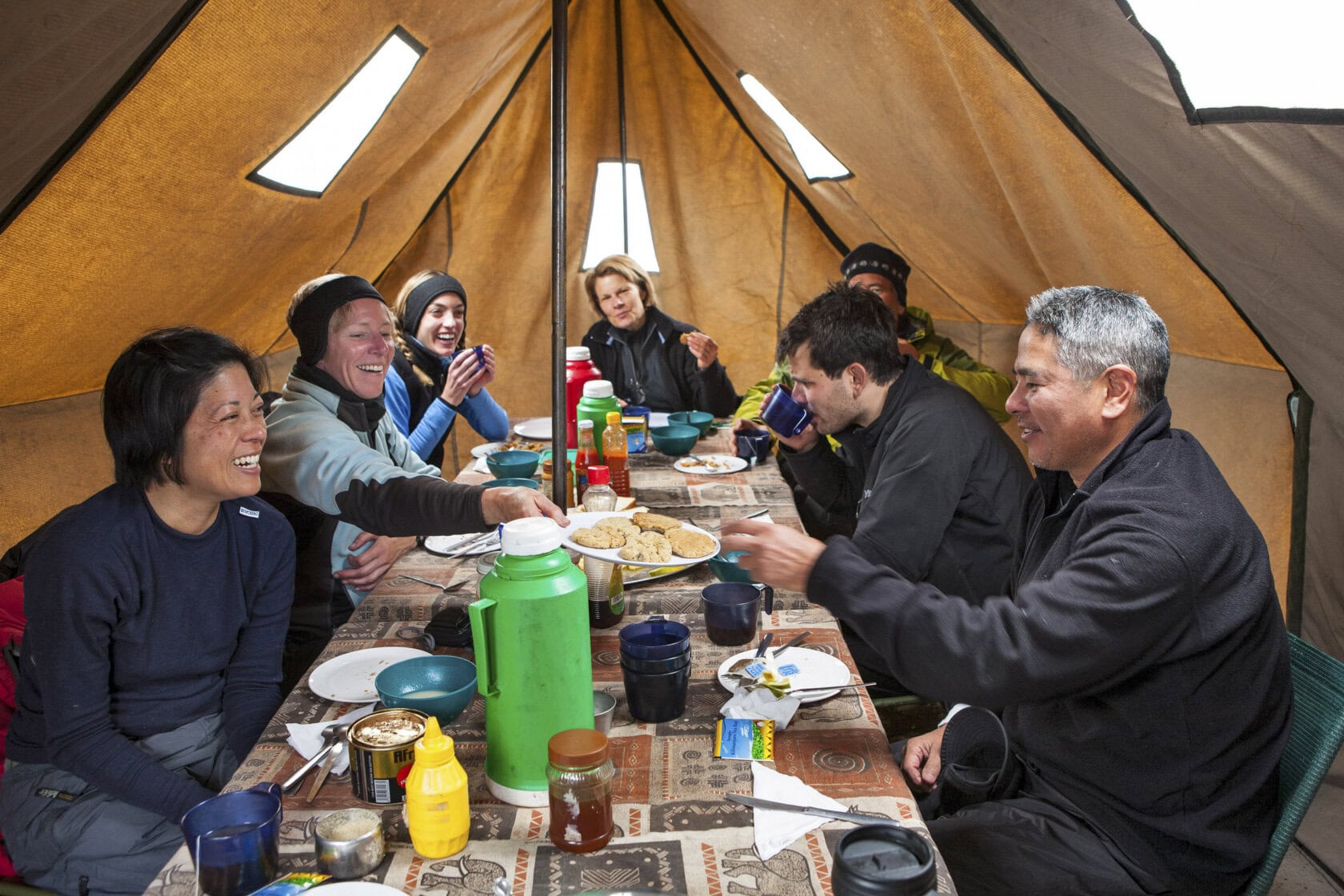
Get Used to Eating at Altitude
Some people experience reduced appetite at high altitude. This can make it more difficult to consume enough calories during a demanding trek.
Even when you are not particularly hungry, try to eat regular meals and snacks according to your trekking team’s guidance.
Carbohydrate-rich foods can provide readily available energy for sustained physical activity, while a balanced diet containing protein and fats also contributes to overall nutrition.
If you have specific dietary requirements, tell your trekking operator well before arrival so meals can be planned appropriately.
Invest in Good Hiking Boots
Footwear is one of the most important pieces of Kilimanjaro equipment.
Your boots should be comfortable, supportive and suitable for uneven mountain terrain. Most importantly, do not arrive on Kilimanjaro with completely new boots.
Wear your boots during training hikes before the trip. This gives you time to identify pressure points and make sure the footwear works with your socks.
Blisters can turn an otherwise manageable hike into a very uncomfortable experience.
Bring the Right Clothing
Kilimanjaro passes through several ecological zones, meaning temperatures and conditions can change dramatically as you climb.
You may begin your trek in relatively warm conditions and eventually encounter freezing temperatures near the summit.
Instead of relying on one very heavy jacket, a layering system allows you to adjust your clothing as conditions change.
A practical system normally includes a moisture-managing base layer, insulating mid-layers and a weather-resistant outer layer. You should also have suitable gloves, warm headwear and additional insulation for summit night.
Your safari and trekking operator can provide a detailed packing list based on the route and season.
Protect Yourself From Sun and Weather
The higher you climb, the stronger the exposure to the sun can feel.
Sunscreen, sunglasses and a suitable hat are therefore important even when temperatures are cool.
Weather on Kilimanjaro can also change quickly. Rain protection is important during the lower sections, while warm and wind-resistant clothing becomes increasingly important at higher elevations.

Preparing for different conditions is much better than assuming that the mountain will remain warm or dry throughout your climb.
Break In Your Equipment Before the Trek
Do not wait until you reach Tanzania to discover that your backpack rubs against your shoulders, your rain jacket is uncomfortable or your gloves do not fit properly.
Use your equipment during training hikes.
This gives you an opportunity to make adjustments while you are still at home. It also helps you become familiar with equipment such as trekking poles, hydration systems and headlamps.
Small equipment problems can become surprisingly frustrating after several days on the mountain.
Consider Using Trekking Poles
Trekking poles are not compulsory, but many climbers find them useful.
They can provide additional stability on uneven terrain and may be particularly helpful during steep ascents and descents.
If you plan to use poles, practice with them before your trip rather than using them for the first time on Kilimanjaro.
Prepare Mentally for Summit Night
Summit night is different from the other days of the climb.
Depending on your itinerary, you may begin the final ascent during the night and hike for several hours in darkness before reaching Uhuru Peak around sunrise.
The combination of cold temperatures, darkness, steep terrain, altitude and accumulated fatigue makes summit night physically and mentally demanding.
Understanding this in advance can help you prepare mentally.
You do not need to convince yourself that the summit will be easy. Instead, focus on taking the climb one section at a time.
Take the Climb One Day at a Time
Thinking about reaching 5,895 metres from the first day can feel overwhelming.
Instead, concentrate on the section of trail immediately in front of you.
Your guide will help you understand the day’s objective, and breaking the climb into smaller sections can make the entire experience feel much more manageable.
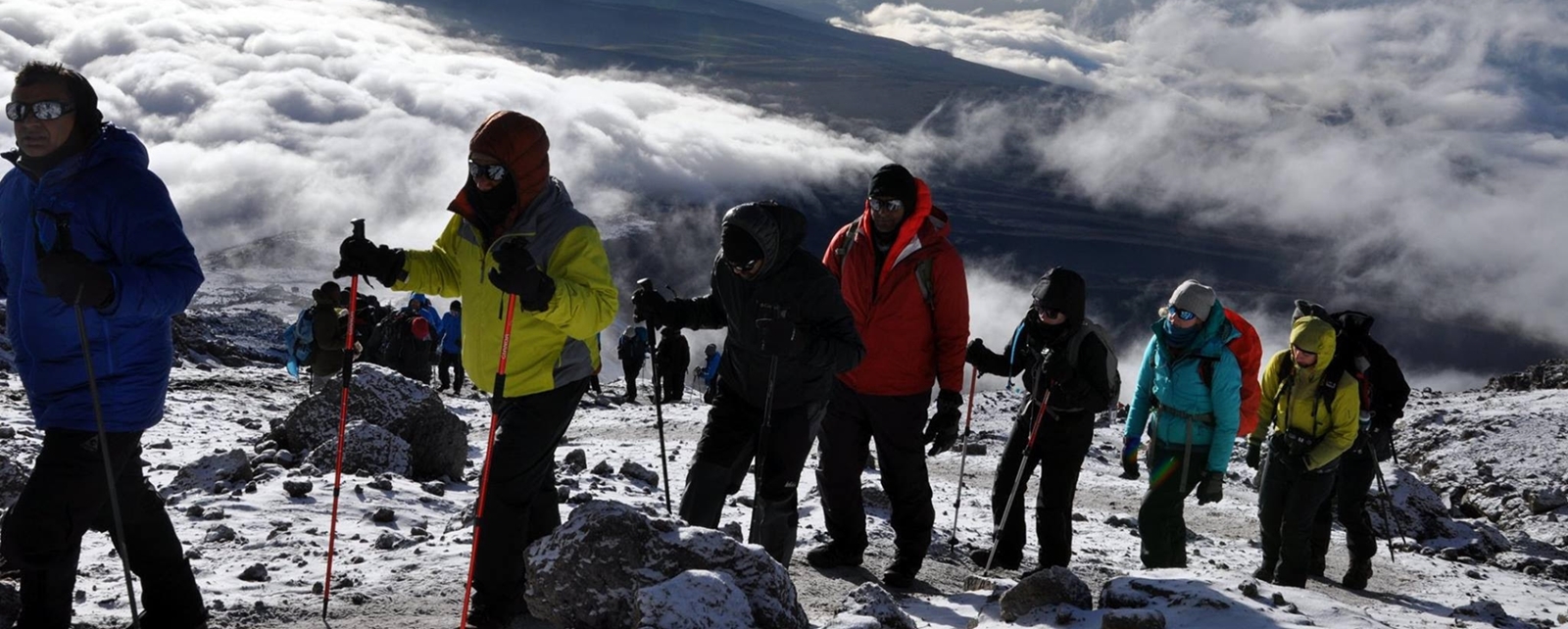
The same principle applies during summit night. Focus on maintaining a steady pace, staying warm, drinking appropriately and following your guide’s instructions rather than constantly thinking about how many hours remain.
Get Enough Sleep Before Your Trip
Good sleep is an often-overlooked part of Kilimanjaro preparation.
Try to establish a consistent sleep routine during the weeks before your departure. This is especially useful if you are travelling across multiple time zones.
You should also expect that sleeping at altitude may be more difficult than sleeping at sea level. This is normal for many climbers and is another reason not to arrive at the mountain already exhausted.
Avoid Arriving at Kilimanjaro Exhausted
Your holiday does not begin when you step onto the mountain. International travel, airport transfers and jet lag can all affect your energy levels.
If possible, allow yourself some time in Tanzania before beginning the climb.
Arriving early can give you an opportunity to rest, organize your equipment and meet your trekking team before the climb begins.
This is particularly useful for travelers coming from long-haul destinations.
Understand What Your Trekking Package Includes
Before booking, carefully check what is included in your Kilimanjaro package.
A professional trekking operator should explain accommodation, meals, transfers, park fees, guide and porter services, equipment arrangements and other relevant costs.
You should also understand whether airport transfers, hotel nights before and after the trek, emergency procedures and other services are included.
Knowing exactly what you are paying for makes it easier to prepare financially and avoids misunderstandings after arrival.
Ask About Porter Welfare
Porters play an essential role on Kilimanjaro, carrying equipment, food and camping supplies that allow climbers to trek with relatively light daypacks.
When choosing a trekking company, ask about its porter welfare practices.
Responsible trekking should include appropriate treatment, reasonable working conditions, proper equipment and fair compensation for the mountain crew.
Supporting an operator that follows responsible trekking practices allows your climb to contribute positively to the people who make the experience possible.

Prepare Your Documents and Travel Insurance
Before travelling to Tanzania, make sure your passport, visa arrangements and travel insurance are in order.
Travel insurance should be checked carefully to determine whether it covers high-altitude trekking and emergency evacuation. Do not assume that a standard travel policy automatically covers every mountain activity.
Your policy should be reviewed before departure, particularly regarding the maximum altitude covered and the conditions under which evacuation and medical expenses are included.
Do Not Ignore Small Health Problems
Before climbing Kilimanjaro, address any ongoing health concerns with a qualified healthcare professional.
Even minor issues such as poorly fitting footwear, an unresolved injury or persistent illness can become much more significant during a multi-day mountain trek.
If you take prescription medication, bring an adequate supply and keep it accessible.
Travelers should also discuss altitude exposure with a medical professional before their trip, particularly if they have health conditions that could affect their ability to trek at high altitude.
Practice Walking Downhill
Many people focus almost entirely on climbing uphill when preparing for Kilimanjaro.
However, descending can also be physically demanding.
Long downhill sections place different stresses on your muscles, particularly your knees and thighs. Including downhill walking or controlled step-down exercises in your preparation can help your body become accustomed to this movement.
Good footwear and trekking poles can also provide useful support during descents.
Don’t Try to “Train for Altitude” at Home Without Proper Guidance
A common misconception is that intense exercise at sea level can completely prepare your body for Kilimanjaro’s altitude.
Fitness and altitude acclimatization are different things.
You can improve your cardiovascular fitness and hiking endurance before your trip, but you cannot simply train away the effects of high altitude.
The most important acclimatization occurs as you gradually ascend the mountain. This is why choosing an appropriate itinerary and following your guide’s advice are so important.
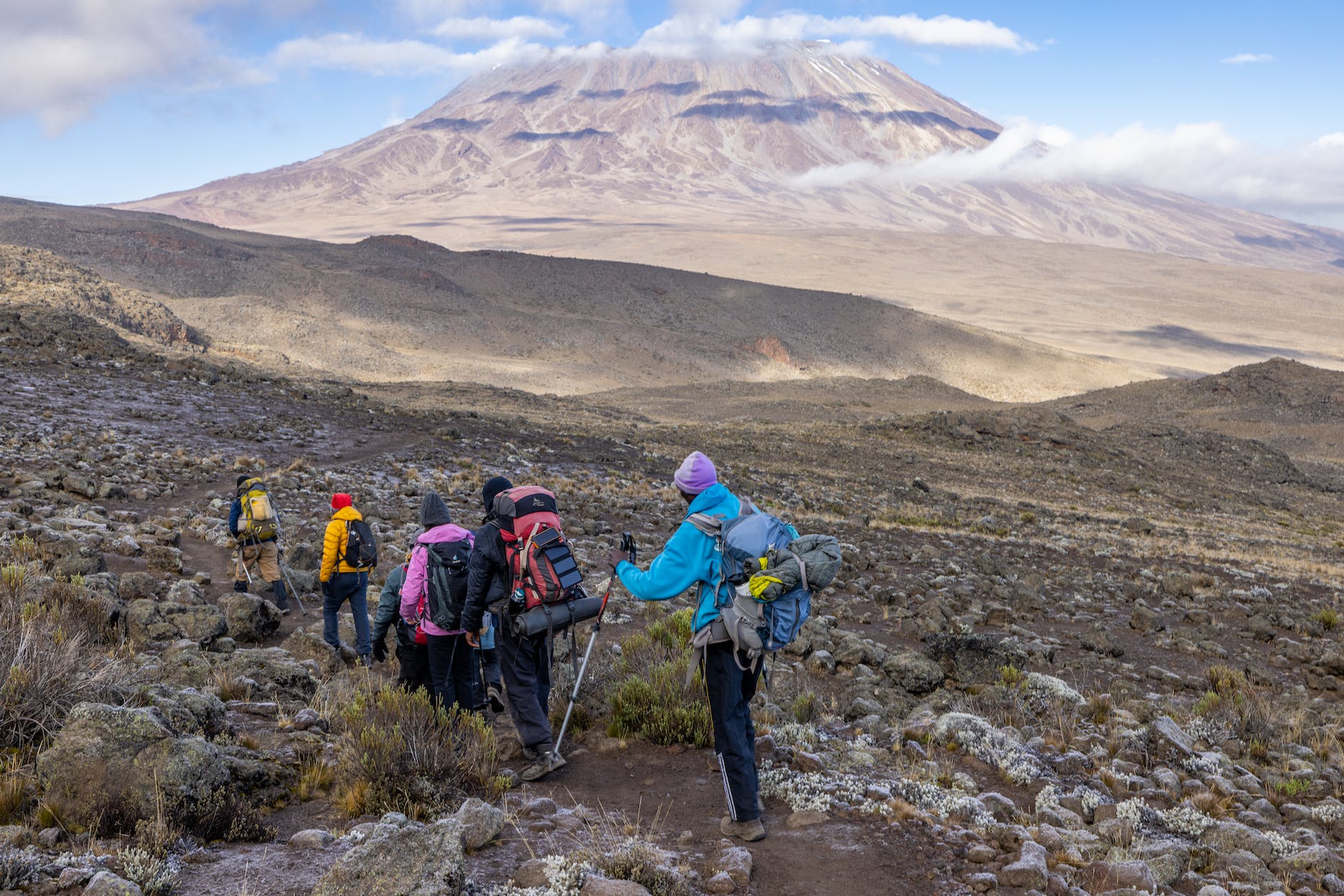
Listen to Your Mountain Guide
Your guide is an important part of your Kilimanjaro preparation and climbing strategy.
Experienced guides understand the mountain environment and are trained to observe climbers for signs of altitude problems and other difficulties.
If your guide asks you to slow down, rest, eat, drink or descend, take the advice seriously.
Do not allow the desire to reach the summit to override safety considerations.
Reaching the summit is an achievement, but returning safely is an essential part of a successful Kilimanjaro climb.
Kilimanjaro Beginner Preparation Timeline
Three to Six Months Before Your Climb
Begin building your walking and cardiovascular fitness. Include regular hikes and gradually increase the duration of your longer walks. Add strength exercises for your legs and core, and begin testing the footwear and backpack you intend to use.
This is also a good time to research Kilimanjaro routes and choose an itinerary that provides an appropriate number of days for your experience and schedule.
One to Two Months Before Your Climb
Your training should now include longer hikes that simulate the demands of consecutive trekking days.
Continue using your hiking boots and daypack during training. Test your clothing layers and make sure your rain protection, headlamp, water system and other essential equipment are comfortable and functional.
This is also a good time to review your travel documents, insurance and any medical considerations with your healthcare professional.
The Final Week Before Kilimanjaro
Avoid suddenly increasing your training volume during the final week.
Instead, focus on recovery, good sleep, normal nutrition and organizing your equipment.
Make sure your luggage is packed according to your operator’s instructions and that you have easy access to essential items.
The Day Before the Climb
Use the final day to rest and prepare rather than exhausting yourself with unnecessary activities.
Meet your trekking team if appropriate, confirm the departure arrangements and check your equipment.
Get a good night’s sleep and begin the climb rested and prepared.
Kilimanjaro Packing Essentials for Beginners
Your exact packing requirements depend on the route, season and trekking operator, but your equipment should generally cover clothing, footwear, weather protection, personal items and basic trekking essentials.
A typical Kilimanjaro packing list includes comfortable broken-in hiking boots, moisture-managing hiking socks, base layers, warm insulating layers, waterproof outerwear, gloves, a warm hat, sun protection, sunglasses, a headlamp, water bottles or a hydration system, trekking poles if preferred, personal medication and a suitable daypack.
You should also bring a sleeping bag appropriate for the temperatures expected on your route if your operator does not provide one.
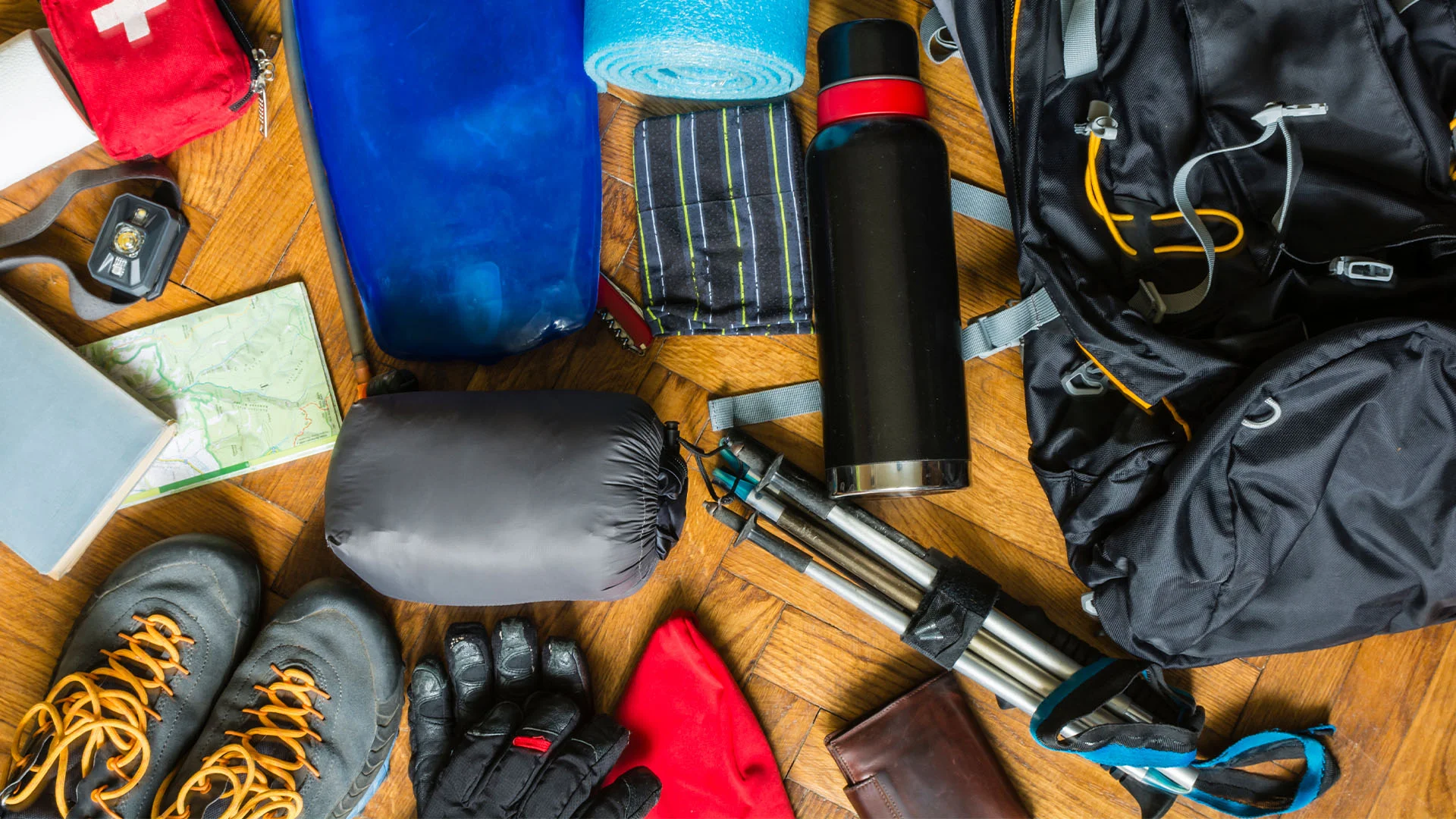
Do not wait until the last few days before departure to purchase everything. Testing your equipment beforehand is an important part of preparation.
How Fit Do You Need to Be to Climb Kilimanjaro?
You do not need to be an elite athlete to climb Kilimanjaro.
However, you should be prepared for several days of sustained walking at high altitude. Good cardiovascular fitness, leg strength and hiking endurance can make the physical side of the experience more manageable.
The most useful preparation is consistent training rather than extreme workouts. Regular walking, hiking, uphill exercise and strength training can all contribute to your readiness.
Your health and previous hiking experience should also be considered when choosing the route and number of trekking days.
Can Beginners Climb Mount Kilimanjaro?
Yes. Kilimanjaro is climbed by people with a wide range of hiking experience, including many first-time high-altitude trekkers.
Being a beginner does not mean you should underestimate the mountain, however. The altitude is the major challenge, and physical preparation alone does not guarantee that your body will acclimatize successfully.
Choosing a suitable itinerary, ascending at an appropriate pace, allowing sufficient time for acclimatization and following your guide’s instructions are all important.
Final Thoughts on Preparing for Kilimanjaro
Preparing for Mount Kilimanjaro is not about becoming an elite mountaineer. It is about arriving at the mountain healthy, prepared and realistic about the challenge ahead.
Build your walking endurance gradually, strengthen your legs, practice hiking with your daypack and break in your boots before travelling. Choose your route carefully and give your body enough time to acclimatize rather than choosing the shortest possible itinerary.
Just as importantly, prepare mentally. Kilimanjaro requires patience, particularly as you move into the higher elevations. Walking slowly, staying hydrated, eating regularly and listening to your mountain guide can help you manage the demands of the trek.
Most importantly, remember that reaching Uhuru Peak is only one part of the journey. A successful Kilimanjaro experience is about enjoying the mountain, respecting its environment, supporting the mountain crew and returning safely after an extraordinary adventure in Tanzania.