

One of the first questions travelers ask when planning a Tanzania safari is: How many days do you need for a Tanzania safari?
There is no single answer because the ideal safari duration depends on what you want to see, the parks you want to visit, your travel budget, the season of your trip and how much time you have available. A short safari can provide an exciting introduction to Tanzania’s wildlife, while a longer safari allows you to explore several destinations at a more relaxed pace and spend more time in major wildlife areas.
For many first-time visitors, 5 to 7 days is a practical length for a Northern Tanzania safari, particularly when the itinerary includes destinations such as Tarangire, Ngorongoro and Serengeti. Travelers with more time can extend their safari to 8, 10 or even 14 days, allowing them to explore additional parks or spend longer in the Serengeti.
Tanzania has a wide range of national parks and protected areas, so your safari does not have to follow one standard itinerary. TANAPA’s current trip-planning guidance encourages visitors to choose parks according to their interests, time, budget and preferred season.
How Many Days Are Enough for a Tanzania Safari?
For most travelers, at least 4 to 5 days gives enough time to experience several important destinations without making the trip feel too rushed.
A 3-day safari can work well for travelers with limited time, but it usually requires a carefully selected route. A 5-day safari provides considerably more flexibility, while 7 days allows you to combine several major destinations and spend meaningful time in the Serengeti.
If you have 10 days or more, you can slow the pace further and consider adding less-visited destinations, additional wildlife areas or cultural experiences.
The important point is that adding more days is not simply about ticking more national parks off a list. A well-planned longer safari gives you more opportunities for game drives, different landscapes, changing wildlife activity and unexpected encounters.

Tanzania Safari Duration at a Glance
The right number of days depends on your priorities, but the following gives a useful starting point.
3 Days: Short Tanzania Safari
A 3-day safari is suitable for travelers with limited vacation time who want a concentrated introduction to Tanzania’s wildlife.
A short itinerary can focus on destinations relatively accessible from Arusha, such as Tarangire and Ngorongoro, with careful planning around travel time. Tarangire is particularly practical because it is accessible by road from Arusha and can work well within a shorter Northern Circuit itinerary. TANAPA describes Tarangire as suitable for both day visits and overnight stays.
A 3-day safari can be rewarding, but travelers should understand that there is less flexibility. Long-distance destinations such as the Serengeti may require more time if you want to experience the park properly rather than spending a large proportion of the trip traveling between destinations.
4 Days: A Compact Wildlife Experience
Four days provides a little more flexibility than a 3-day safari.
Depending on the route, you can combine destinations such as Tarangire, Ngorongoro and part of the Serengeti. However, the itinerary needs to be planned carefully so that driving does not dominate the experience.
This duration can work particularly well for travelers who are continuing to another destination after their safari, such as Zanzibar, and therefore need to balance safari time with the rest of their Tanzania holiday.
5 Days: A Popular Safari Length
Five days is one of the most practical safari durations for first-time visitors to Northern Tanzania.
It provides enough time to visit several iconic destinations without making every day feel like a transfer day.
A typical 5-day private safari might combine Tarangire National Park, Ngorongoro Conservation Area and Serengeti National Park, although the exact itinerary can be adjusted according to the season and the traveler’s interests.
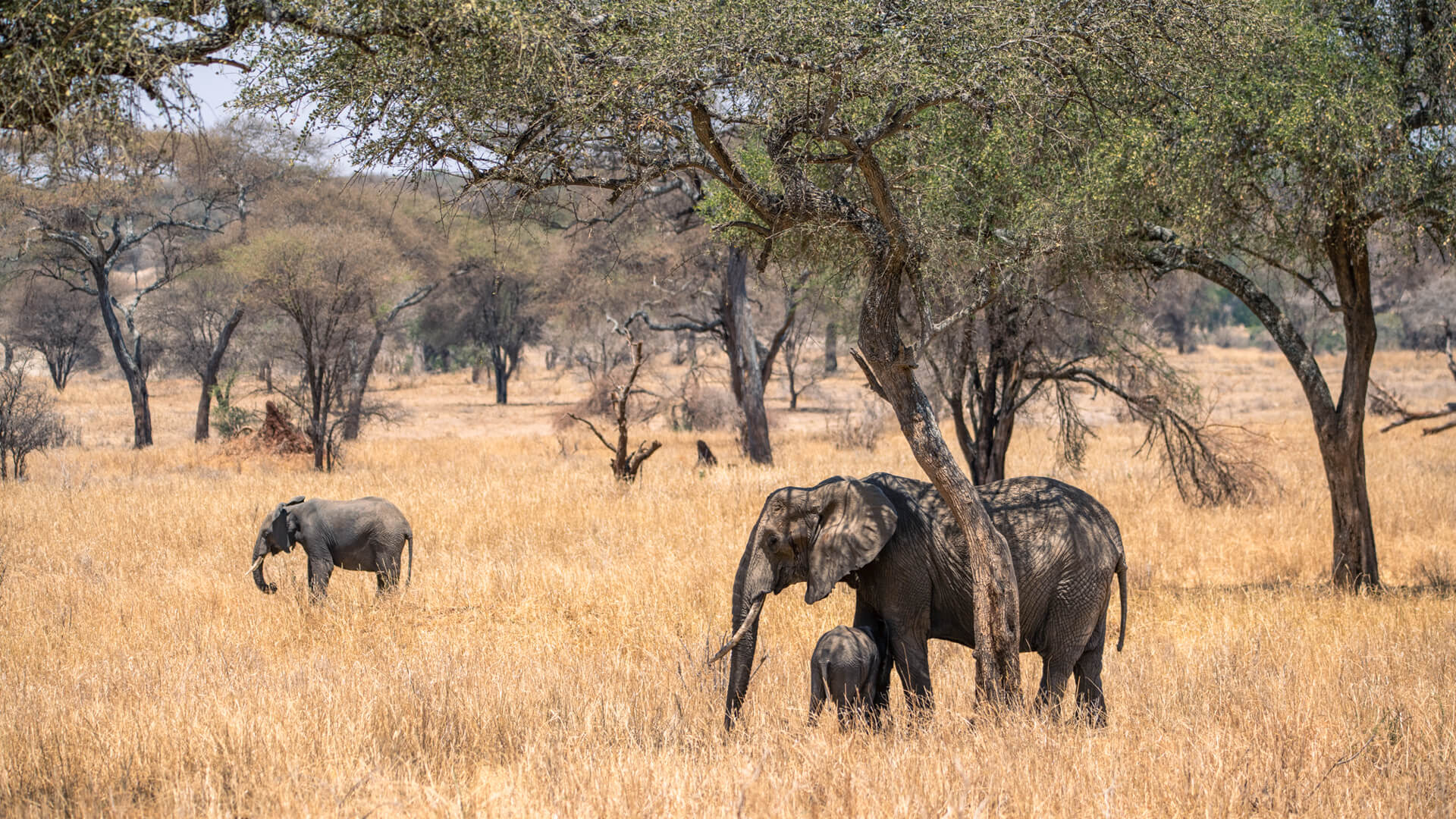
The value of five days comes from having enough time to experience different environments. Tarangire is known for elephants and its distinctive baobab landscapes, while Serengeti offers vast plains and exceptional wildlife viewing. TANAPA highlights both the wildlife diversity of Serengeti and the importance of Tarangire’s elephant-rich landscapes.

6–7 Days: An Excellent Balance
For travelers who have enough vacation time, 6 to 7 days can provide a very comfortable Northern Tanzania safari experience.
Instead of moving between parks every day, the itinerary can allocate more time to the destinations that matter most.
For example, a 7-day safari may include Tarangire, Ngorongoro and multiple nights in Serengeti. Spending additional nights in the Serengeti is particularly valuable because the park is enormous and wildlife activity can vary considerably between areas.
Serengeti covers more than 15,000 square kilometres and supports a remarkable variety of wildlife and habitats. A longer stay therefore gives travelers more opportunity to explore rather than simply passing through one section of the park.
For photographers and wildlife enthusiasts, an extra night or two can also make the safari feel substantially different because there is more time for early morning and afternoon game drives.
Is 7 Days Too Long for a Tanzania Safari?
No. For many travelers, 7 days is an excellent safari duration rather than an excessive one.
Tanzania is much larger than a simple three-park itinerary may suggest. Even within the Northern Circuit, distances between destinations can be significant, and Serengeti itself is vast.
A seven-day itinerary can therefore create a better balance between driving, game viewing and rest.
Rather than trying to visit as many parks as possible, a longer itinerary can focus on spending quality time in fewer places. This is especially useful for travelers interested in photography, bird watching, the Great Migration, predators, family travel or simply enjoying the landscapes without rushing.
8–10 Days: For a More Complete Tanzania Safari
Travelers with 8 to 10 days can create a considerably more flexible safari.
At this length, there is room to explore the Northern Circuit more thoroughly or consider destinations beyond the classic Tarangire–Ngorongoro–Serengeti combination.
You may choose to spend additional nights in Serengeti, add Lake Manyara or visit another wildlife area depending on the season and your interests.
A longer safari also makes it easier to design a private itinerary around specific wildlife priorities. Someone interested in big cats may want more time in Serengeti, while a birding enthusiast may prefer an itinerary that incorporates habitats with particularly diverse birdlife.
The extra days can also reduce the feeling that you are constantly packing, checking out and moving to another lodge.

10–14 Days: A Deeper Tanzania Safari Experience
If you have two weeks available, Tanzania can offer much more than a standard Northern Circuit safari.
A 10- to 14-day itinerary can combine several wildlife regions and potentially include Northern, Southern or Western Tanzania, depending on the season, transportation and interests.
This type of safari is particularly suitable for travelers who want to go beyond the most famous destinations.
Southern Tanzania, for example, can provide a different style of safari experience from the busy northern routes, while Western Tanzania offers destinations with very different landscapes and wildlife experiences.
A longer trip can also combine a safari with cultural experiences, walking activities where available, or a beach holiday in Zanzibar.
The Tanzania national park network includes destinations ranging from Serengeti and Tarangire in the north to Nyerere, Ruaha, Mikumi, Udzungwa and other parks in different parts of the country.
How Many Days Do You Need for the Serengeti?
If the Serengeti is one of your main reasons for visiting Tanzania, it is worth giving the park sufficient time.
Two nights in the Serengeti can provide a good introduction, while three or more nights allow for a deeper experience.
The ideal number depends on which part of the Serengeti you visit and what you want to see. The park is enormous, and wildlife movements change throughout the year.
For travelers planning around the Great Wildebeest Migration, the timing and location of wildlife can influence the best itinerary. TANAPA currently highlights June to October as a major dry-season period and January to February for the calving season, although wildlife movements are naturally influenced by environmental conditions.
If the migration or photography is your primary interest, spending additional nights in the relevant area can be more valuable than adding several different parks to the itinerary.
How Many Days Do You Need for Ngorongoro Crater?
Ngorongoro can often be incorporated into a safari without requiring several nights inside the crater itself.
A crater game drive is commonly combined with accommodation in the surrounding Karatu or Ngorongoro highlands before or after the crater visit.
The important consideration is how Ngorongoro fits into the wider route. Combining it with Tarangire and Serengeti can create a natural Northern Tanzania safari circuit rather than treating every park as an isolated destination.
How Many Days Do You Need for Tarangire?
Tarangire can be visited as a day safari or incorporated into a longer itinerary with an overnight stay.
Its accessibility from Arusha makes it particularly useful for short safaris, while its elephants, baobabs, birdlife and seasonal wildlife concentrations also make it worthwhile as part of a longer Northern Circuit itinerary. TANAPA notes that Tarangire can be visited on a day trip or with an overnight stay.
For travelers with limited time, one full day can be enough to experience the park. For travelers with more time, the decision to stay longer should depend on the season and the overall safari route.
Why Safari Duration Matters
The number of days you choose affects much more than the number of parks you visit.
A longer safari generally gives you more flexibility to adapt the itinerary around wildlife activity and weather. It also means you can spend more time in major parks instead of rushing from one destination to another.
This is particularly important because safari is not a sightseeing experience where everything happens according to a fixed schedule. Wildlife is free-ranging, weather changes, and sightings cannot be guaranteed.
A good safari itinerary therefore leaves enough time for exploration.
Your Safari Interests Should Determine the Number of Days
The ideal duration changes depending on what you want from your trip.
Wildlife and Big Five Safari
If your priority is seeing lions, elephants, buffalo, leopards and rhinos, around 5 to 7 days can provide a strong Northern Tanzania experience.
Additional days can increase the amount of time available for game drives and allow the itinerary to include more than one major wildlife area.
Great Migration Safari
For a migration-focused safari, duration should be determined by where the herds are expected to be during your travel period rather than simply choosing a fixed number of days.
Additional nights in the relevant area can be more useful than constantly changing parks.
Photography Safari
Photographers often benefit from longer stays.
Instead of spending one night in several destinations, a photography-focused itinerary may allocate multiple nights to selected areas. This allows more opportunities for sunrise and sunset photography, changing light conditions and different wildlife encounters.
Family Safari
Families may prefer a slightly slower itinerary.
Trying to visit too many parks in a short period can make a safari tiring, particularly for younger children. A private safari of around 5 to 7 days can provide a useful balance between wildlife experiences, driving and downtime.

The exact duration should be adjusted according to the children’s ages and the family’s travel style.
Honeymoon or Romantic Safari
Couples do not necessarily need to visit many parks.
A 5- to 8-day safari can allow a more relaxed combination of wildlife, scenic landscapes, comfortable accommodation and private experiences. Adding Zanzibar afterward can turn the trip into a longer Tanzania holiday.
Bird Watching Safari
Birders may benefit from a longer itinerary because Tanzania contains a wide range of habitats and bird species.
Instead of focusing only on the Big Five, a birding safari can be designed around different ecosystems and seasonal conditions.
Luxury Safari
Luxury does not necessarily mean a longer safari, but travelers choosing high-end camps and lodges may prefer a slower itinerary.
Spending two or three nights at selected properties can make the experience feel more relaxed and allows travelers to enjoy the destination rather than constantly transferring between accommodations.
Should You Visit More Parks or Stay Longer in One Park?
This is one of the most important decisions when planning a Tanzania safari.
Many first-time visitors naturally want to see as many destinations as possible. However, adding too many parks can result in significant driving time.
For example, spending one night in every destination may look impressive on paper, but it can create a safari where much of the holiday is spent checking out, driving and checking in again.
A better approach is often to identify the destinations that are most important to you and allocate enough time to enjoy them.
For this reason, five days in three well-selected destinations can sometimes be more rewarding than five days divided across five different parks.
Does the Time of Year Affect How Many Safari Days You Need?
Yes.
The season can influence where wildlife is concentrated and which areas make the most sense for your itinerary.
During certain periods, wildlife can be easier to locate in particular areas because animals respond to water availability, vegetation and seasonal movements. Tarangire, for example, is particularly known for dry-season wildlife concentrations around its water sources.
Serengeti also changes considerably throughout the year, which is why a migration safari should be planned around the seasonal movement of wildlife rather than relying on one fixed route.
This means the same number of safari days can produce very different experiences depending on when you travel.
Should You Add Zanzibar to Your Tanzania Safari?
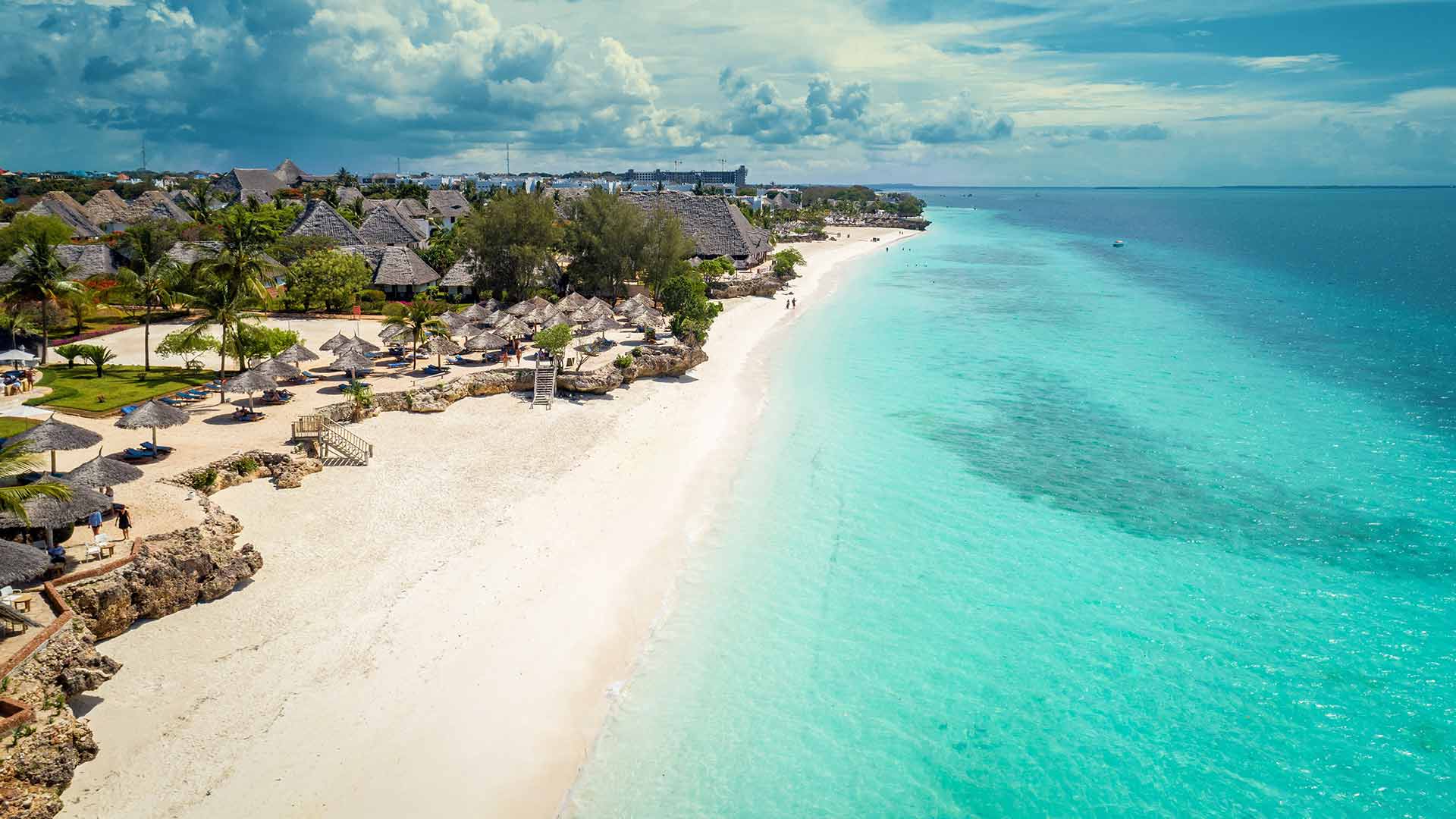
If you want to experience both wildlife and the Indian Ocean coast, it is common to combine a safari with Zanzibar.
In this case, your total Tanzania holiday might last 8 to 14 days, with approximately 4 to 7 days dedicated to safari and the remaining time spent on the coast.
This approach works particularly well for couples, honeymooners and international travelers who want a combination of wildlife, relaxation, beaches and cultural experiences.
The safari does not necessarily need to be extended simply because Zanzibar is being added. Instead, the two parts of the trip can be planned as complementary experiences.
Can You Combine a Kilimanjaro Climb With a Tanzania Safari?
Yes. Travelers with sufficient vacation time can combine Mount Kilimanjaro with a Tanzania safari.
However, the mountain trek should be treated as a separate major experience rather than something to squeeze into a very short holiday.
Kilimanjaro itineraries vary by route, and TANAPA advises climbers to choose itineraries that allow appropriate acclimatization; its current visitor guidance notes that climbs are guided and that travelers should ascend slowly and report symptoms to their guide.
A combination such as Kilimanjaro + safari + Zanzibar can therefore become a two- or three-week Tanzania holiday.
How to Choose the Right Tanzania Safari Duration
Start by deciding what you most want to experience.
If your priority is simply seeing Tanzania’s wildlife and you have very limited vacation time, a 3- or 4-day safari may be appropriate.
If this is your first Tanzania safari and you want to experience several iconic destinations, 5 to 7 days is a strong starting point.
If you want more time in Serengeti, are traveling specifically for migration or photography, or simply prefer a slower travel style, 7 to 10 days may be more suitable.
Travelers with two weeks or more can consider a more extensive Tanzania itinerary that includes several regions or combines safari with other experiences.
The key is not to choose the longest itinerary possible. The goal is to choose enough time to enjoy the destinations that matter most to you.
Sample Tanzania Safari Durations
3-Day Tanzania Safari
A short itinerary focusing on easily accessible Northern Circuit destinations such as Tarangire and Ngorongoro.
Best for travelers with very limited vacation time.
4-Day Tanzania Safari
A compact itinerary that can combine Tarangire, Ngorongoro and a carefully planned Serengeti experience.
Best for travelers who want to include Serengeti but have limited time.
5-Day Tanzania Safari
A balanced itinerary combining major Northern Circuit destinations, potentially including Tarangire, Ngorongoro and Serengeti.
Best for first-time visitors looking for a relatively complete safari experience.
6–7-Day Tanzania Safari
A more relaxed Northern Circuit safari with additional time in Serengeti.
Best for travelers who want more game-drive time and less rushing.
8–10-Day Tanzania Safari
A deeper safari experience with additional nights in key wildlife areas or the inclusion of less-visited destinations.
Best for wildlife enthusiasts, photographers and travelers with more vacation time.
10–14-Day Tanzania Safari
A comprehensive Tanzania adventure that can combine different wildlife regions with cultural experiences, Kilimanjaro or Zanzibar.
Best for travelers who want to explore more of the country at a relaxed pace.
Private Safari or Group Safari: Does It Affect the Number of Days?
It can.
A private safari provides more flexibility to adjust the pace according to your interests. You can spend longer at a wildlife sighting, leave earlier for a game drive, change the order of destinations where practical, or dedicate additional time to photography.
A shared safari usually follows a predetermined itinerary designed around the needs of the group.
Neither approach automatically determines the ideal number of days, but a private safari makes it easier to tailor the duration and daily schedule around your priorities.
Why a Tailor-Made Safari Can Be Better Than a Fixed Duration
There is no universal “perfect” Tanzania safari length.
Two travelers visiting Tanzania during the same month may need completely different itineraries.
A couple interested in luxury accommodation and photography may prefer a slower 7-day safari. A family with young children may want fewer destinations and more relaxed travel days. A traveler focused on the Great Migration may want additional nights in a specific Serengeti area. Someone with only a long weekend may need a compact 3-day safari.
This is why the safari should be planned around the traveler rather than forcing every traveler into the same number of days.
What Is the Best Number of Days for a First Tanzania Safari?
For many first-time visitors, 5 to 7 days is a practical starting point.
This duration can provide enough time to experience several of Tanzania’s famous wildlife destinations while avoiding an itinerary that is dominated by transfers.
However, if Serengeti is a major priority, adding extra nights can be worthwhile. If your available time is only three days, a shorter itinerary can still provide an enjoyable safari when the route is selected carefully.
The “best” duration is ultimately the one that gives you enough time to enjoy your chosen destinations without making the trip unnecessarily rushed.
Plan Your Tanzania Safari With Animalia Treks and Safaris
Planning a Tanzania safari starts with understanding what you want from the experience.
Rather than choosing an itinerary simply because it has the largest number of parks or the highest number of safari days, consider the wildlife you want to see, the season you are traveling, how much time you have, your accommodation preferences and how relaxed you want your journey to be.
Animalia Treks and Safaris can help you build a Tanzania safari itinerary around these priorities, whether you are looking for a short Northern Tanzania safari, a longer Serengeti-focused wildlife adventure, a family safari, a photography journey, a honeymoon safari or a safari combined with Zanzibar and other Tanzania experiences.
The right Tanzania safari is not necessarily the longest one. It is the one that gives you enough time to experience the places and wildlife that matter most to you.
Frequently Asked Questions About Tanzania Safari Duration
How many days do you need for a Tanzania safari?
For many travelers, 5 to 7 days is a practical duration for a first Northern Tanzania safari. Shorter 3- or 4-day safaris are possible, while 8 to 14 days allow a more extensive and relaxed experience.
Is 3 days enough for a Tanzania safari?
Yes, a 3-day safari can work for travelers with limited time. The itinerary should focus on a small number of accessible destinations rather than trying to cover too much ground.
Is 5 days enough for a Tanzania safari?
Five days can provide a very good introduction to Northern Tanzania, particularly when the itinerary is designed around Tarangire, Ngorongoro and Serengeti.
Is 7 days enough for a Tanzania safari?
Seven days can provide a comfortable and more relaxed Northern Tanzania safari, with enough time to spend multiple nights in major wildlife areas.
How many days should I spend in Serengeti?
Two nights can provide an introduction to Serengeti, while three or more nights allow more time to explore different areas and search for wildlife. Migration-focused trips should be planned around the seasonal location of the herds.
How many days do you need for a Tanzania safari and Zanzibar?
A total holiday of approximately 8 to 14 days can work well, depending on how many safari days and beach days you want. A common approach is to spend 5 to 7 days on safari followed by several days in Zanzibar.
What is the shortest Tanzania safari I can take?
A 2-day or 3-day safari is possible, depending on the destinations and starting point. However, travelers with limited time should choose destinations carefully to avoid spending too much of the trip on the road.
Is a longer Tanzania safari always better?
Not necessarily. The quality of the itinerary matters more than simply adding days. A well-planned 5-day safari can be more enjoyable than a poorly planned 10-day itinerary with excessive driving and unnecessary accommodation changes.
How many days are ideal for a Tanzania family safari?
Around 5 to 7 days can work well for many families, although the ideal duration depends on the children’s ages, the family’s interests, travel pace and chosen destinations.
Can I combine a Tanzania safari with Kilimanjaro?
Yes. Many travelers combine a Kilimanjaro climb with a Tanzania safari. Because both experiences require substantial time, a combination trip is usually better planned as a longer holiday rather than a short safari.
Can I customize the number of safari days?
Yes. A private Tanzania safari can be designed around your available vacation time, preferred destinations, travel season, wildlife interests, accommodation style and budget.
What should I prioritize if I only have five days?
Prioritize the destinations that best match your interests rather than trying to visit every available park. For a first Northern Tanzania safari, Tarangire, Ngorongoro and Serengeti can form a strong foundation, with the exact allocation depending on the season and travel logistics.
Plan your Tanzania safari around your priorities, not just the number of days.