
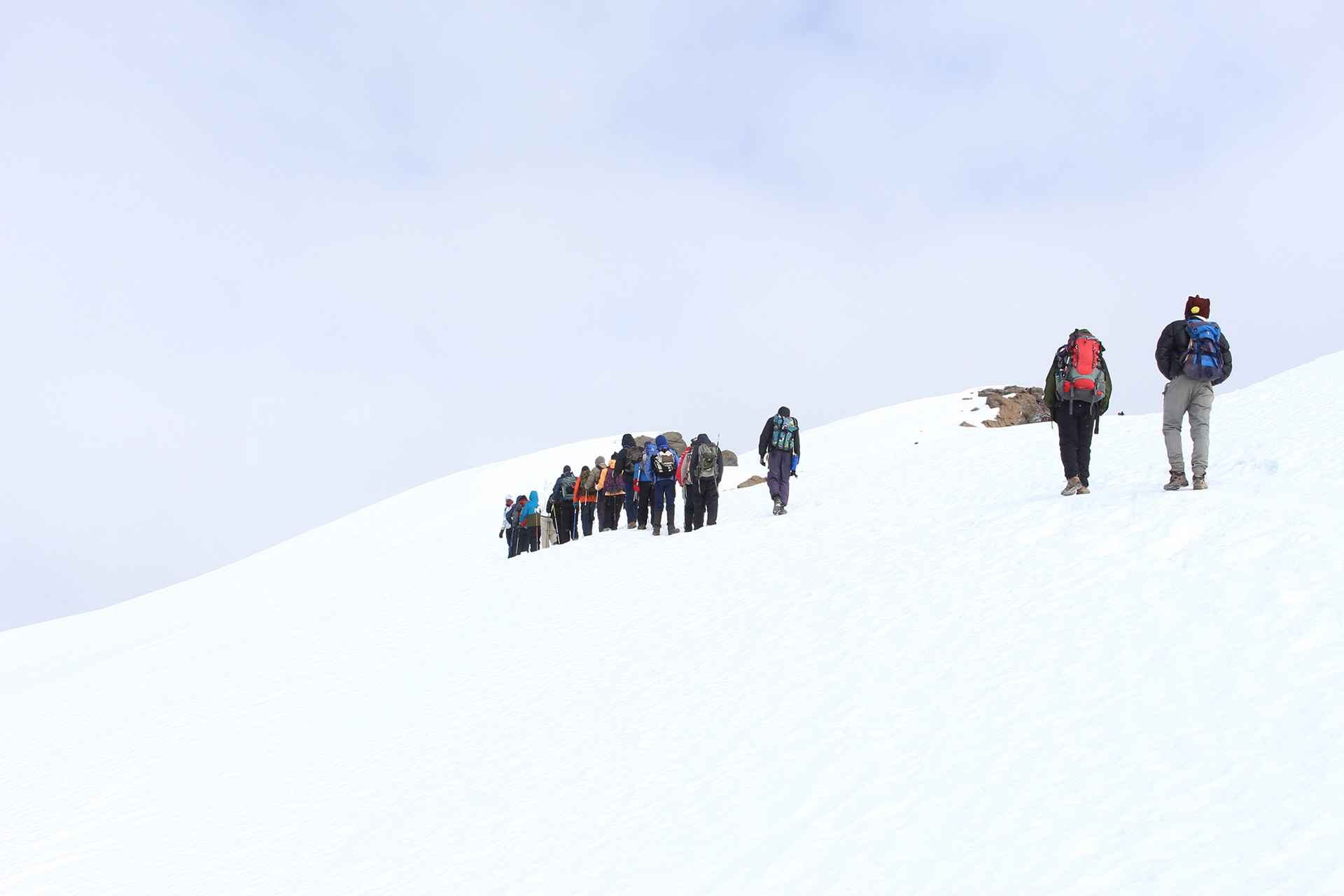
How long does it take to trek Mount Kilimanjaro? Learn about route durations, summit day, acclimatization, trekking pace and how to choose the right itinerary.
Mount Kilimanjaro is one of the world’s most recognizable mountains and the highest mountain in Africa, rising to 5,895 metres (19,341 feet) above sea level. For many travelers, reaching Uhuru Peak is a once-in-a-lifetime achievement, but one of the first questions to consider when planning the climb is: How long does it take to trek Mount Kilimanjaro?
A typical Kilimanjaro climb takes around 5 to 8 days, depending on the route and itinerary. Some climbers choose longer programs because additional days allow more time for acclimatization and a more gradual ascent. The number of days is therefore not simply about covering distance; it can have an important effect on how your body adjusts to increasing altitude.
The right duration depends on several factors, including your chosen route, trekking experience, physical preparation, acclimatization needs, walking pace and the amount of time you have available in Tanzania.
How Many Days Do You Need to Climb Kilimanjaro?
For most travelers, 6 to 8 days is a practical range to consider when planning a Kilimanjaro summit attempt.
A shorter climb may suit travelers with limited time, but reducing the number of days also means ascending more quickly. A longer itinerary gives you more time to move gradually through the mountain’s different altitude zones and, depending on the route, can include additional acclimatization opportunities.
Kilimanjaro’s summit is not technically difficult in the same way as a technical mountaineering expedition. The bigger challenge for many climbers is the combination of altitude, long trekking days, changing weather, cold temperatures and the demanding summit night.
This is why choosing the number of days should not be based only on the cheapest or shortest itinerary. The better question is which duration gives you a sensible balance between acclimatization, comfort, fitness and the experience you want from the mountain?
How Long Is the Actual Trek to Uhuru Peak?
The full Kilimanjaro experience includes several days of walking before summit day. You gradually climb from the lower slopes through rainforest and moorland before entering the alpine desert and finally the high-altitude summit zone.
The actual summit attempt normally takes place toward the end of the trek. Depending on the route and itinerary, climbers usually leave their high camp during the night or very early in the morning.
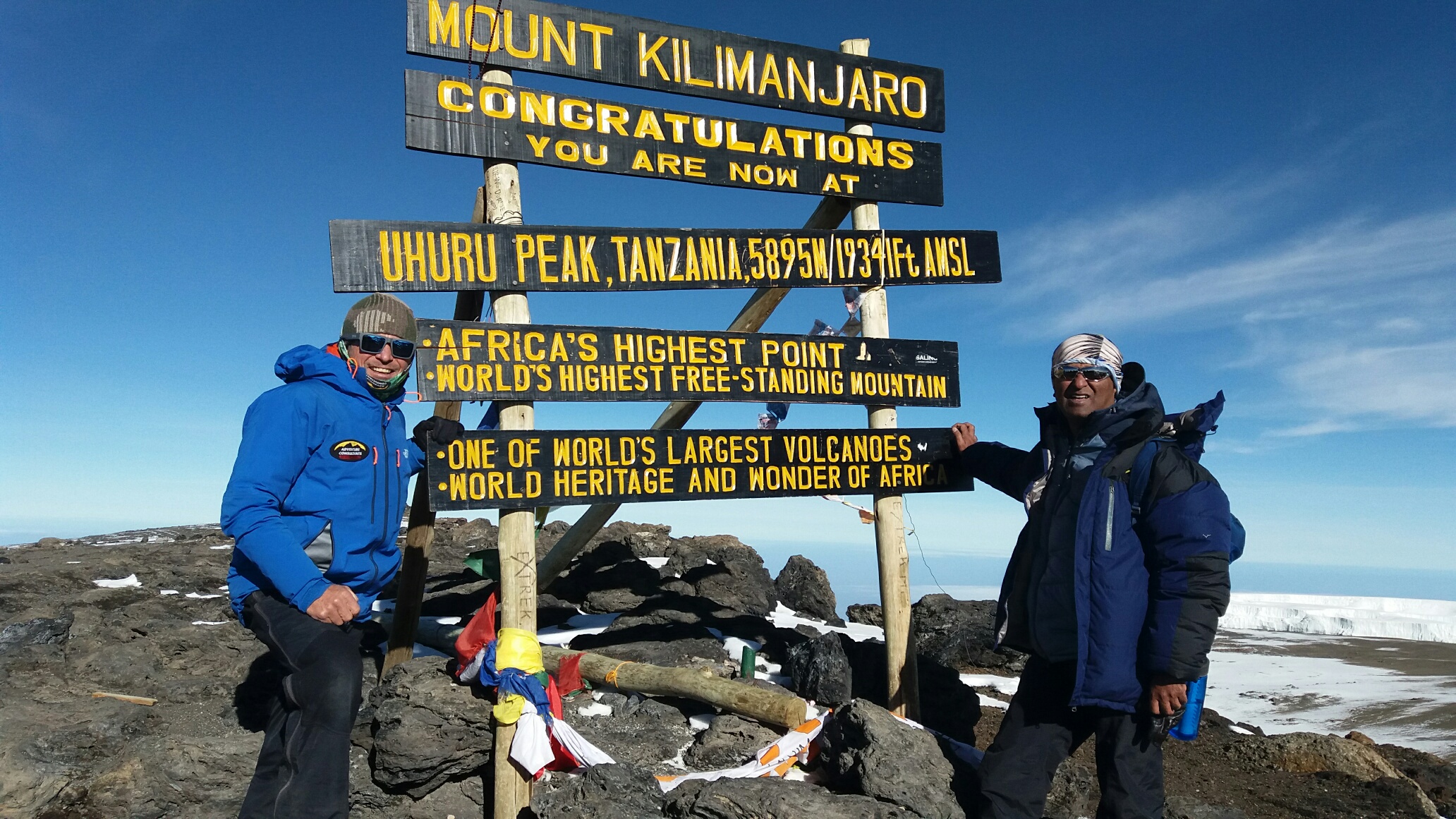
The goal is to reach Uhuru Peak at 5,895 metres, usually around or near sunrise, before beginning the descent.
Summit day is considerably more demanding than an ordinary trekking day. You are walking at high altitude, often in darkness at the beginning, and the combination of cold, steep terrain and reduced oxygen makes the pace slow.
After reaching the summit, you still have to descend. In many itineraries, the descent continues for several hours, making summit day one of the longest and most physically demanding days of the entire climb.
Why Does a Kilimanjaro Climb Take Several Days?
Kilimanjaro is a very high mountain, and the body needs time to adjust as you gain elevation.
At lower elevations, you may feel comfortable walking for several hours. As you climb higher, however, the thinner air can make ordinary physical activity feel significantly harder. You may notice that your breathing becomes more difficult, your pace naturally slows and your appetite or sleep may change.
This is why acclimatization is one of the most important considerations when choosing a Kilimanjaro itinerary.
Walking slowly, taking appropriate rest and allowing your body time to adjust are central parts of a sensible climb. Current visitor guidance also recommends choosing an itinerary with acclimatization days, ascending slowly, staying hydrated and reporting symptoms to your guide promptly.
There is no guaranteed number of days that will prevent altitude-related problems, but giving yourself more time on the mountain can provide a more gradual ascent.
Kilimanjaro Route Duration
The number of days required depends greatly on the route you choose. Kilimanjaro has several established routes, and they differ in scenery, starting elevation, overnight locations, length and acclimatization profile.
Marangu Route
The Marangu Route is traditionally associated with shorter itineraries and is sometimes completed in around 5 to 6 days.
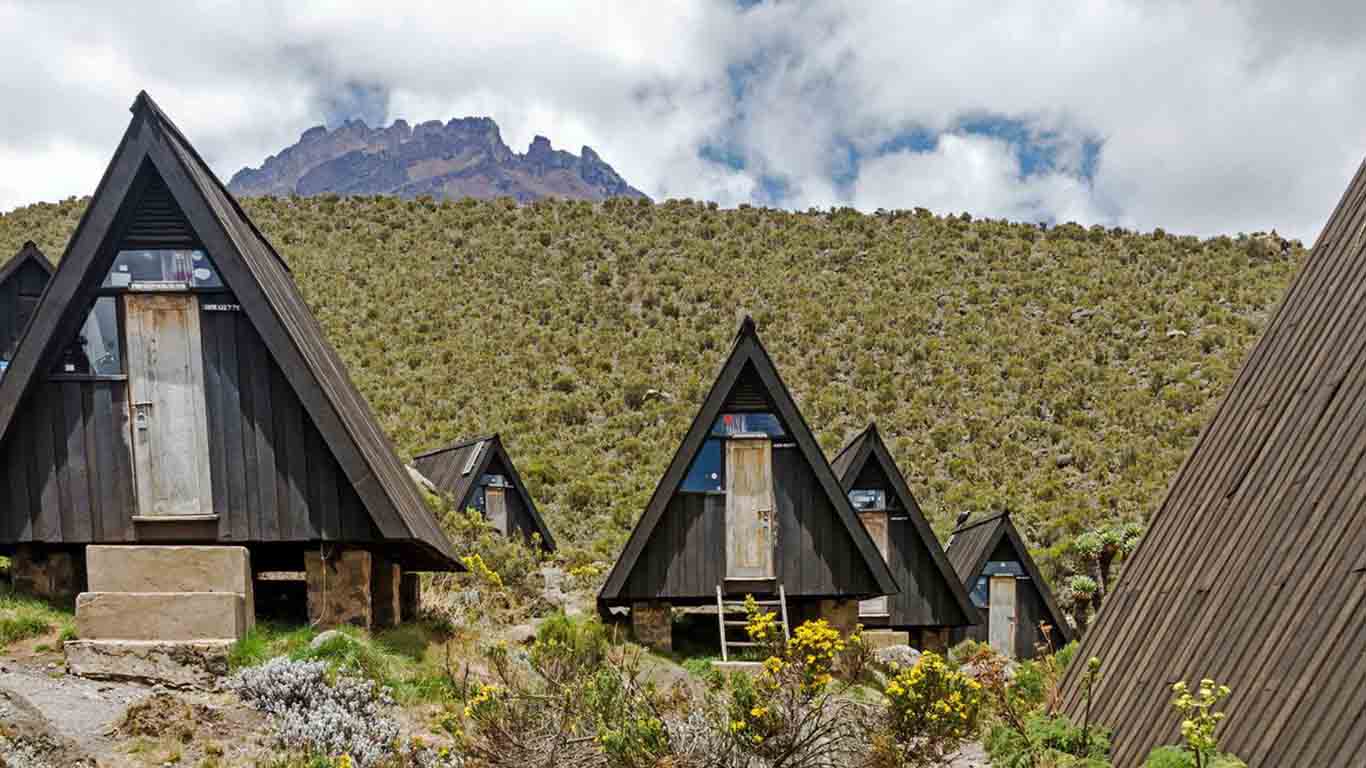
One of its distinctive features is that accommodation is provided in mountain huts rather than tents. The route follows the same trail on ascent and descent and is sometimes called the “Coca-Cola Route.”
Although the Marangu Route can be completed relatively quickly, a longer itinerary may be preferable for travelers who want additional time for acclimatization rather than choosing the shortest possible schedule.
Machame Route
The Machame Route commonly takes around 6 to 7 days, depending on the itinerary.
It is known for its varied landscapes and a route profile that allows climbers to experience the mountain from the southern side. The trail includes forest, moorland, high-altitude desert and the summit zone.

A 7-day Machame itinerary is often attractive to travelers who want additional time compared with the shortest available climbs.
Lemosho Route
The Lemosho Route is generally planned over approximately 7 to 8 days, although the exact duration can vary.
Because of its longer approach and opportunities to spend more time acclimatizing, Lemosho is frequently considered when travelers want a more gradual Kilimanjaro experience.
The route also offers beautiful scenery, beginning in the western part of the mountain before joining the southern circuit.
Northern Circuit Route
The Northern Circuit is one of the longer ways to climb Kilimanjaro and is commonly planned over approximately 8 to 9 days or more, depending on the itinerary.
Its longer duration is one of its defining characteristics. Rather than rushing toward the summit, the route takes a more extended journey around the mountain before approaching Kibo.
For travelers with enough time available, a longer itinerary can provide a very different experience from trying to complete the mountain as quickly as possible.
Rongai Route
The Rongai Route approaches Kilimanjaro from the northern side near the Tanzania–Kenya border.
Depending on the chosen itinerary, a Rongai climb may take around 6 to 7 days. The route has its own character and landscapes and can be considered by travelers looking for an alternative approach to the mountain.
Umbwe Route
The Umbwe Route is known for its steep and direct character. It can be completed in relatively few days, but its rapid elevation gain makes it a route where careful planning and appropriate acclimatization are particularly important.
For this reason, a shorter itinerary should not automatically be considered the best choice simply because it saves time.
Is a 5-Day Kilimanjaro Climb Enough?
A 5-day climb can be possible on certain routes and itineraries, and official park information notes that climbs to Kibo can take from 5 to 8 days depending on the route.
However, the shortest itinerary is not necessarily the most suitable itinerary for every traveler.
A 5-day program gives you less time to adjust to altitude and can involve a relatively fast ascent. For an experienced and well-prepared traveler, it may be considered as part of a carefully planned climb, but travelers should understand the trade-off between a shorter schedule and the opportunity for acclimatization.
If your travel schedule allows it, adding an extra day can make the overall experience less rushed.
Is 6 Days Enough to Climb Kilimanjaro?
Six days can provide a reasonable timeframe for some routes, particularly for travelers who are physically prepared and choose an itinerary that manages altitude sensibly.
The exact experience will depend on the route. Six days on one route does not necessarily provide the same acclimatization profile as six days on another.
When comparing itineraries, look beyond the number of days and examine the actual elevations of each camp, how much altitude is gained each day, where acclimatization opportunities occur and how the summit day is structured.
Is 7 Days a Good Length for Kilimanjaro?
A 7-day Kilimanjaro climb gives you considerably more flexibility than a very short itinerary.
It can provide a useful balance between travel time, acclimatization and the overall mountain experience. Routes such as Machame and Lemosho are commonly offered with itineraries in this range, although the exact schedule varies.
For travelers who have enough time in Tanzania, seven days on the mountain can also leave room for a more relaxed pace rather than trying to rush through each stage of the climb.
Is 8 Days Better for Kilimanjaro?
An 8-day itinerary can be particularly attractive for travelers who want to prioritize gradual acclimatization and have sufficient time available.
Longer itineraries do not guarantee that you will reach the summit, but they allow the climb to be structured more gradually. The current official park information specifically notes that the more days spent on the climb, the greater the opportunity to acclimatize and reach the summit.
For many first-time high-altitude trekkers, having additional time can also make the experience feel less rushed.
How Long Is Summit Day on Kilimanjaro?
Summit day is usually the most demanding part of the climb.
Most summit attempts begin during the night or in the very early morning. The reason is partly to allow climbers to reach the summit around sunrise and partly to maximize the available time for the ascent and descent.
From high camp, the climb toward Uhuru Peak involves slow walking over steep and often rocky terrain. At this elevation, even a modest incline can feel strenuous.
After reaching the summit, you turn around and descend. Depending on the itinerary, the day’s walking can continue for many hours.

For this reason, climbers should think of summit day as a full-day mountain challenge, rather than simply a short final walk to the top.
How Many Hours Do You Walk Each Day on Kilimanjaro?
Daily walking times vary considerably according to the route, camp locations, terrain and altitude.
Lower mountain days can involve several hours of relatively comfortable walking. As the trek progresses, the pace generally becomes slower.
The summit day is different. It can involve many hours of walking, beginning before sunrise and continuing through the descent.
The goal is not to walk quickly. Kilimanjaro is often approached with the principle of “pole pole,” meaning slowly and steadily. A controlled pace helps conserve energy and allows climbers to adapt to the changing environment.
Does Fitness Affect How Long Kilimanjaro Takes?
Fitness is important, but being extremely athletic does not automatically mean you should choose the shortest Kilimanjaro itinerary.
Kilimanjaro is primarily an endurance challenge. You need to be comfortable walking for several consecutive days, carrying a daypack, climbing uneven terrain and continuing even when the altitude makes the effort feel harder.
Strong preparation can make the trekking experience more manageable, but altitude affects people differently. Someone who is very fit can still experience altitude-related symptoms.
For this reason, physical training and sensible acclimatization should be considered together.
What Happens If You Need More Time on the Mountain?
A well-planned Kilimanjaro itinerary should allow your trekking team to monitor your condition throughout the climb.
Guides pay attention to how you are walking, breathing and responding to the altitude. If you develop symptoms that concern the trekking team, your guide should be informed immediately.
The mountain should never be treated as a race. Reaching the summit is important, but making sensible decisions throughout the climb is even more important.
Can You Combine Kilimanjaro With a Tanzania Safari?
Yes. Kilimanjaro is particularly convenient to combine with a Tanzania safari because the mountain is located close to the country’s famous northern safari destinations.
After completing your climb, you can continue to destinations such as Tarangire, Ngorongoro and Serengeti, depending on the time available and the type of safari you want.
Some travelers prefer to climb first and relax afterward, while others prefer to enjoy a safari before the mountain. The right order depends on your travel schedule, fitness plans and personal preference.

You can also extend your Tanzania journey with time in Zanzibar after your mountain and safari experience.
How Many Days Should You Allow for the Entire Kilimanjaro Trip?
Remember that the number of days spent trekking is not necessarily the total number of days you should allocate to your Kilimanjaro holiday.
For example, if you choose a 7-day climb, you may also want time before the trek to arrive in Tanzania, travel to your hotel, meet your trekking team, check equipment and rest before starting.
After the climb, having at least some recovery time can also be valuable, particularly if you plan to continue with a safari or another physically active experience.
For this reason, a traveler planning a 7-day Kilimanjaro trek may want to allow additional days before and after the climb rather than scheduling flights immediately around the trekking dates.
What Is the Best Kilimanjaro Trek Duration for Beginners?
There is no single duration that is perfect for every beginner.
However, first-time climbers should generally look beyond the shortest possible itinerary and consider how much time they can reasonably dedicate to acclimatization.
A 6-, 7- or 8-day itinerary may offer more flexibility than trying to complete the mountain in the minimum number of days.
Your route, previous trekking experience, fitness, travel schedule and response to altitude should all be considered when choosing the duration.
What Should You Consider When Choosing the Number of Days?
The best Kilimanjaro itinerary is not necessarily the one with the fewest days or the lowest price.
Consider how your body normally responds to strenuous activity, whether you have previous high-altitude trekking experience, how much time you have in Tanzania and whether you want a fast and challenging climb or a more gradual experience.
It is also worth looking at the quality of the itinerary rather than simply counting the days. Two different 7-day climbs can have very different schedules, elevations and acclimatization opportunities.
A professional trekking operator should be able to explain why a particular route and duration suits your circumstances rather than simply offering a fixed itinerary.
What Should You Pack for a Kilimanjaro Trek?
Your equipment needs to change as you move through Kilimanjaro’s different climate zones.
Lower sections can be warm and humid, while the summit environment can be extremely cold, windy and wet. Proper footwear, warm layers, waterproof clothing, gloves, a hat, headlamp and suitable trekking equipment are therefore essential.
You should also have personal medication and any items recommended by your healthcare professional.
Because weather conditions can change quickly on the mountain, your clothing system should allow you to add or remove layers throughout the trek. Current visitor guidance also recommends carrying appropriate cold-weather and rain protection, a headlamp and personal medication.
How Far in Advance Should You Plan a Kilimanjaro Climb?
Kilimanjaro can be climbed throughout much of the year, but many travelers choose periods with generally more favorable trekking conditions.
Planning in advance gives you more flexibility when choosing your preferred route, dates, accommodation before and after the trek, flights and any safari or Zanzibar extension.
It is particularly useful to plan early if you are traveling as a private group or have specific dates that cannot easily be changed.
The Bottom Line: How Long Does It Take to Trek Mount Kilimanjaro?
So, how long does it take to trek Mount Kilimanjaro to the summit?
A standard Kilimanjaro climb generally takes 5 to 8 days, depending on the route and itinerary. Longer climbs are also possible and can provide additional time for acclimatization.
For many travelers, the decision should not be based simply on how quickly they can reach Uhuru Peak. Kilimanjaro is a high-altitude mountain, and allowing enough time for a gradual ascent can make a significant difference to the overall trekking experience.
A shorter itinerary may suit someone with limited time, while a longer itinerary can provide a more gradual journey. The right choice depends on your route, experience, fitness, schedule and how you want to experience the mountain.
At Animalia Treks and Safaris, we can help you choose a Kilimanjaro route and trekking duration based on your travel plans, experience and preferred pace. Whether you are considering a private 6-day climb, a 7-day Lemosho or Machame itinerary, or a longer route designed around acclimatization, your climb should be planned around the mountain rather than simply around the number of days available.
Frequently Asked Questions About Kilimanjaro Trek Duration
How many days does it take to climb Mount Kilimanjaro?
Most Kilimanjaro climbs take approximately 5 to 8 days, although longer itineraries are also available depending on the route and acclimatization plan.
Can I climb Kilimanjaro in 5 days?
Yes, 5-day itineraries are available on some routes. However, a shorter itinerary means a faster ascent, so climbers should carefully consider acclimatization and their personal circumstances before choosing the shortest option.
Is 7 days enough to climb Kilimanjaro?
Seven days can provide a good balance between trekking time and acclimatization, depending on the route and itinerary. The actual elevation profile matters as much as the number of days.
How long does summit day take?
Summit day is usually the longest and most demanding trekking day. Climbers commonly begin during the night or very early morning, reach Uhuru Peak around sunrise and then continue descending for several hours.
What is the best number of days for a first-time Kilimanjaro climber?
There is no universal answer, but many first-time climbers consider 6 to 8 days when planning their trek because these itineraries can provide more time for gradual ascent and acclimatization than the shortest programs.
Does climbing Kilimanjaro take longer for less experienced hikers?
Not necessarily. Previous hiking experience can help with endurance and confidence, but the duration of the scheduled climb is primarily determined by the route and itinerary. Even experienced hikers should respect the effects of altitude.
Can I add a safari after climbing Kilimanjaro?
Yes. A Kilimanjaro climb can be combined with a Tanzania safari, and many travelers choose to visit destinations such as Tarangire, Ngorongoro and Serengeti after their trek.
Can I combine Kilimanjaro with Zanzibar?
Yes. After your climb, you can continue to Zanzibar for a beach holiday, depending on your available time and travel arrangements.
Does a longer Kilimanjaro climb guarantee reaching the summit?
No. A longer itinerary can provide additional acclimatization opportunities, but it cannot guarantee a successful summit. Altitude, weather, health, fitness and individual response to the mountain can all affect the outcome.
What is the most important thing when choosing a Kilimanjaro itinerary?
Look beyond the number of days. Consider the route, elevation profile, acclimatization opportunities, summit-day structure, accommodation, trekking support and the experience of the guiding team.