
Planning a Tanzania safari? Discover the most Common Mistakes to Avoid When Planning a Tanzania Safari Holiday and learn how to choose the right parks, season, itinerary, accommodation, budget and safari operator.
Planning a Tanzania safari holiday is an exciting experience, but putting together the right safari requires more thought than simply choosing a few national parks and booking accommodation. Tanzania is a vast and diverse safari destination, and the quality of your experience can depend on many factors, including the time of year you travel, the parks you choose, the amount of time available, your accommodation, transportation, and the type of safari that suits your travel style.
Many travelers make avoidable mistakes when planning their first Tanzania safari. Some try to fit too many destinations into a short holiday, while others choose an itinerary based only on the cheapest price. Some travelers visit the Serengeti at the wrong time for their particular interests, while others underestimate the distances involved between destinations.
Understanding these common Tanzania safari planning mistakes before booking can help you create a more comfortable, realistic and rewarding holiday.
Choosing the Wrong Time for Your Tanzania Safari
One of the most common mistakes is assuming that there is one single “best time” to go on safari in Tanzania. In reality, Tanzania can offer excellent wildlife experiences throughout much of the year, but each season has its own characteristics.
The dry season is popular because vegetation is generally thinner and animals can be easier to locate around water sources. The green seasons, however, can provide beautiful landscapes, fewer visitors in some areas and excellent opportunities for photography and birdwatching. The Great Wildebeest Migration also follows a natural cycle, meaning that the location of the herds changes throughout the year.
For this reason, choosing your travel dates should depend on what you want to experience. Someone interested in the Great Migration may have different requirements from a traveler primarily interested in predators, birdwatching, photography, or a quieter safari experience.
Before booking, discuss your travel dates and priorities with an experienced safari operator. Rather than simply asking for the “best month for Tanzania,” explain what you hope to see and experience so your itinerary can be planned accordingly.
Trying to Visit Too Many National Parks
Tanzania has an extraordinary number of wildlife destinations, and it can be tempting to include as many as possible in one holiday. However, trying to visit too many parks in a short period is one of the easiest ways to turn a safari into a rushed road trip.
Every transfer between destinations takes time. If you spend one night in several different parks, you may find yourself packing and unpacking frequently and spending a significant portion of your holiday travelling rather than enjoying game drives.
A better approach is to choose destinations that complement each other. For a first northern Tanzania safari, for example, combining destinations such as Tarangire, Serengeti and the Ngorongoro area can provide a wonderful variety of landscapes and wildlife without requiring an unnecessarily complicated itinerary.
If you have more time, additional destinations can be added according to your interests. The goal should not be to collect as many national park names as possible, but to spend enough time in each destination to appreciate it.
Underestimating the Distances Between Safari Destinations
Another common mistake is underestimating how large Tanzania is. Destinations that look relatively close together on a map can involve several hours of driving, particularly when travelling on safari roads.
This becomes particularly important when planning a northern Tanzania itinerary that includes the Serengeti. The journey itself can be part of the adventure, with changing landscapes and opportunities to see wildlife along the way, but travelers should still understand how much time will be spent on the road.
If you have a limited number of days, it may sometimes make sense to use domestic flights for certain sections of your trip. Flying can reduce long travel times and give you more time to enjoy your safari.
When reviewing an itinerary, do not look only at the number of parks included. Ask how long you will actually spend travelling between them and how much time will remain for game drives.
Choosing a Safari Based Only on the Lowest Price
Price is naturally an important consideration when planning a Tanzania safari, but choosing the cheapest quotation without comparing what is included can be a costly mistake.
Two safari packages may appear similar because they include the same national parks, yet the actual experiences can be very different. Accommodation standards, location, vehicle quality, guide experience, park fees, meals, transfers and the number of nights can all influence the final cost.
A cheaper safari is not necessarily a bad safari, just as an expensive safari is not automatically the best one. The important thing is understanding what you are paying for.
When comparing quotations, ask your safari operator to explain the inclusions and exclusions clearly. Find out whether park fees, accommodation, meals, airport transfers, transportation, guide services and other applicable costs are already included.
Looking at the complete value of a safari rather than focusing only on the advertised price will help you make a more informed decision.
Not Choosing the Right Safari Style
Tanzania safaris are not all designed in the same way. Some travelers prefer private safaris with a dedicated vehicle and greater flexibility, while others are comfortable joining a small group to reduce costs and enjoy meeting fellow travelers.
Accommodation preferences also vary considerably. Some visitors want luxury lodges and exclusive tented camps, while others prefer comfortable mid-range properties or traditional camping for a closer connection with nature.
The right choice depends on your expectations, budget and travel companions. A honeymoon couple may have very different priorities from a family travelling with children or a photographer looking for extended time in the field.
Before booking, explain your preferred travel style to your safari company. A good itinerary should reflect how you want to travel, rather than simply offering a standard package.
Assuming the Great Wildebeest Migration Is Always in the Same Place
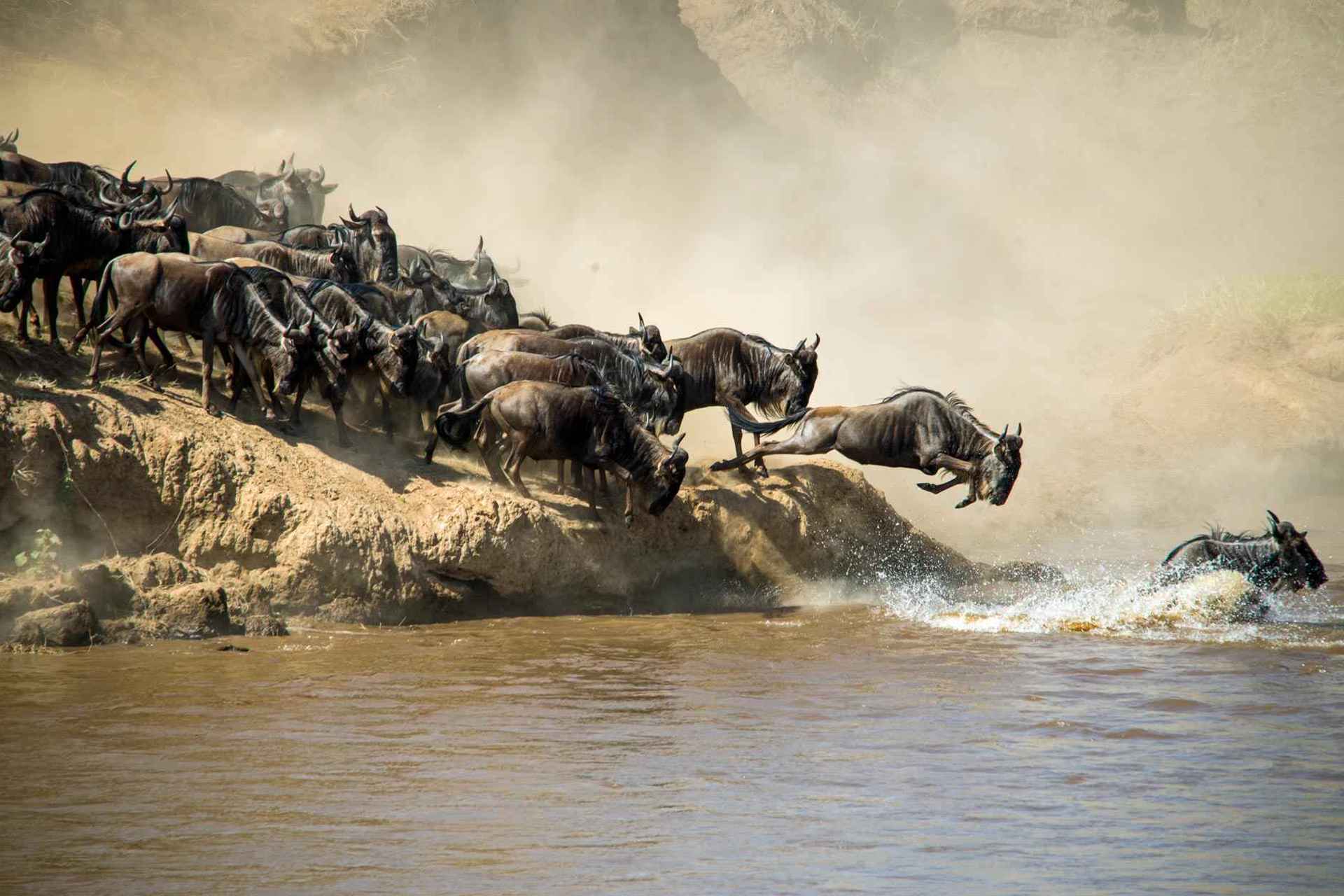
The Great Wildebeest Migration is one of Tanzania’s most famous attractions, but it is important to understand that it is a constantly moving natural phenomenon.
The herds do not remain in one part of the Serengeti throughout the year. Their movements are influenced by rainfall, food availability and natural conditions. As a result, booking a “migration safari” without considering the expected location of the herds during your travel dates can lead to unrealistic expectations.
Travelers interested in the migration should discuss their exact dates with an experienced safari operator. The itinerary can then be designed around the areas where the herds are most likely to be at that particular time.
It is also important to remember that wildlife sightings cannot be guaranteed. Even when the migration is in a particular region, river crossings and other dramatic events happen naturally and cannot be scheduled for a specific day or time.
Spending Too Little Time in the Serengeti
The Serengeti is enormous, and allocating only one night to this iconic destination can sometimes result in a rushed experience.
Depending on your arrival time and itinerary, you could spend much of your first day travelling into the park, have a relatively short game drive, spend the night and then leave the following morning. While you will have technically visited the Serengeti, you may not have had enough time to explore it properly.
If the Serengeti is one of the main reasons for your Tanzania safari, consider allocating several nights to the park. Additional time gives your guide greater flexibility to explore different areas and provides more opportunities for wildlife encounters.
The ideal number of nights depends on your overall holiday length, budget and other destinations you wish to visit, but the Serengeti generally rewards travelers who are willing to slow down and spend more time there.
Choosing Accommodation Without Considering Its Location
When choosing safari accommodation, many travelers focus almost entirely on the quality of the rooms, photographs and guest reviews. While these things are important, the location of your lodge or camp can be equally significant.
A beautiful property in an inconvenient location may require long drives every day to reach the areas you want to explore. In contrast, accommodation strategically positioned near productive wildlife areas can give you more time for game viewing.
This is particularly important in the Serengeti, where distances can be considerable. Depending on the season and your safari objectives, different areas of the park may be more suitable.
Before confirming accommodation, ask where the property is located and whether its position makes sense for your travel dates and planned activities. A good safari operator should be able to explain why particular camps or lodges have been selected for your itinerary.
Forgetting to Check What Is Included in the Safari Price
Another common mistake is assuming that the advertised safari price covers everything. Safari quotations can include different combinations of accommodation, meals, transportation, park fees, guiding, airport transfers, flights and activities.
National park fees are an important component of safari costs, and applicable charges vary depending on the destination and visitor circumstances. Additional activities or accommodation arrangements can also affect the final price.
For this reason, always ask for a detailed quotation before making your booking. You should understand what is included, what is excluded and whether there are any additional payments you should expect during the trip.
A transparent quotation makes it much easier to compare different safari companies and avoid unpleasant surprises later.
Leaving Visa and Travel Documents Until the Last Minute
Visa and entry requirements are another part of Tanzania travel planning that should not be overlooked.
Travelers should check the current visa requirements applicable to their nationality before travelling and make sure their passport meets the required validity conditions. Tanzania provides an official online visa application system, but requirements can vary depending on nationality and circumstances.
Do not rely on information from an old travel blog or a social media post when preparing your travel documents. Requirements can change, so check the latest information from official Tanzanian immigration sources or ask your safari operator for guidance before departure.
Planning your documentation early gives you time to resolve any issues before your journey begins.
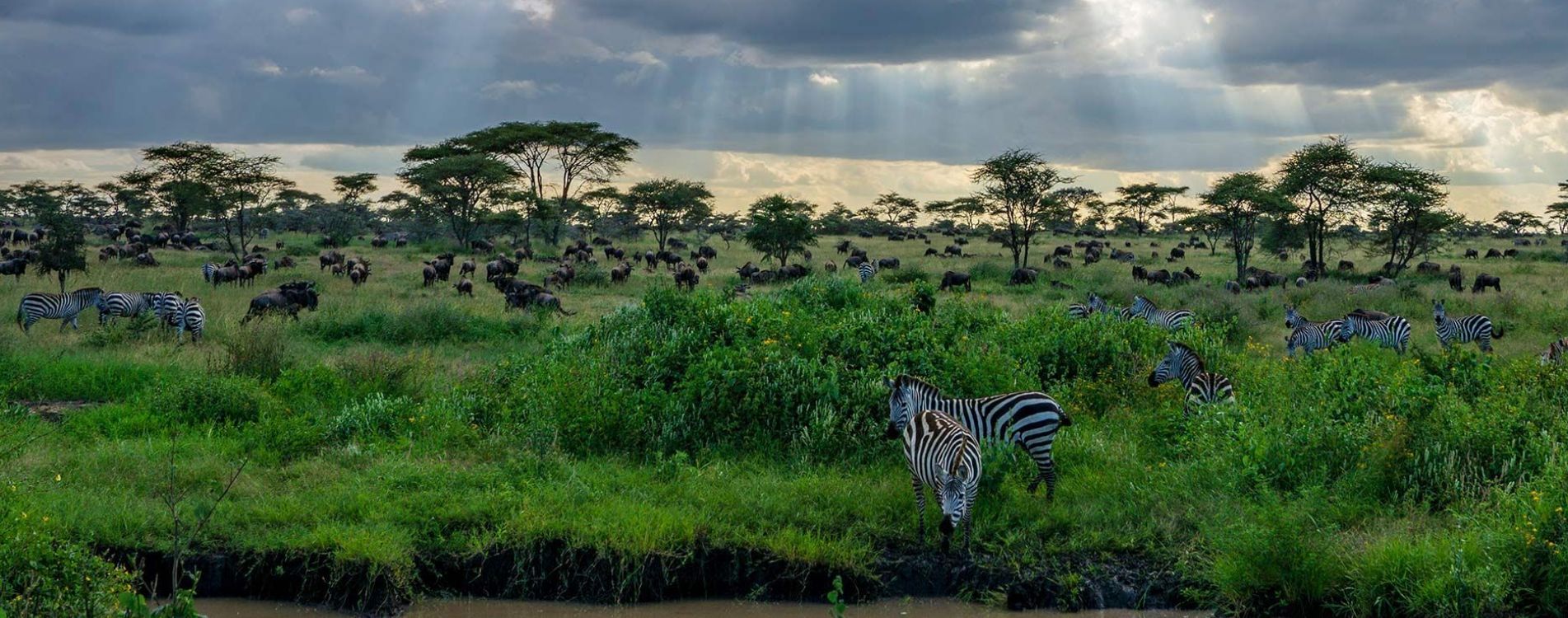
Booking Your Safari Too Close to Your International Flight
Your international flight schedule should be considered when planning your safari, rather than treated as a separate part of the holiday.
Safari travel involves road journeys, domestic flights and changing weather and road conditions. If your itinerary finishes with a long drive on the same day as an important international flight, you may be creating unnecessary stress.
Allowing reasonable time between the end of your safari and your international departure can provide a valuable buffer. Depending on your flight schedule, it may be worthwhile spending your final night near the airport or in a convenient city location.
A well-planned safari should allow you to enjoy the final day rather than constantly watching the clock.
Starting the Safari Immediately After a Long-Haul Flight
Long international flights can be tiring, particularly when travelling from Europe, North America, Asia or other distant destinations.
Some travelers arrive in Tanzania and immediately begin a demanding safari itinerary. While this is possible, it may not be the most comfortable option.
For many travelers, spending the first night in or around Arusha before beginning the safari provides an opportunity to recover from the journey, adjust to the local time and prepare for the days ahead.
This can be particularly useful if your safari includes early morning game drives or long road transfers.
Overpacking for Your Safari
Another mistake is bringing far more luggage than you actually need.
Safari holidays are generally casual, and practical clothing is much more useful than having a different outfit for every day. If your itinerary includes small domestic aircraft, luggage restrictions may also become an important consideration.
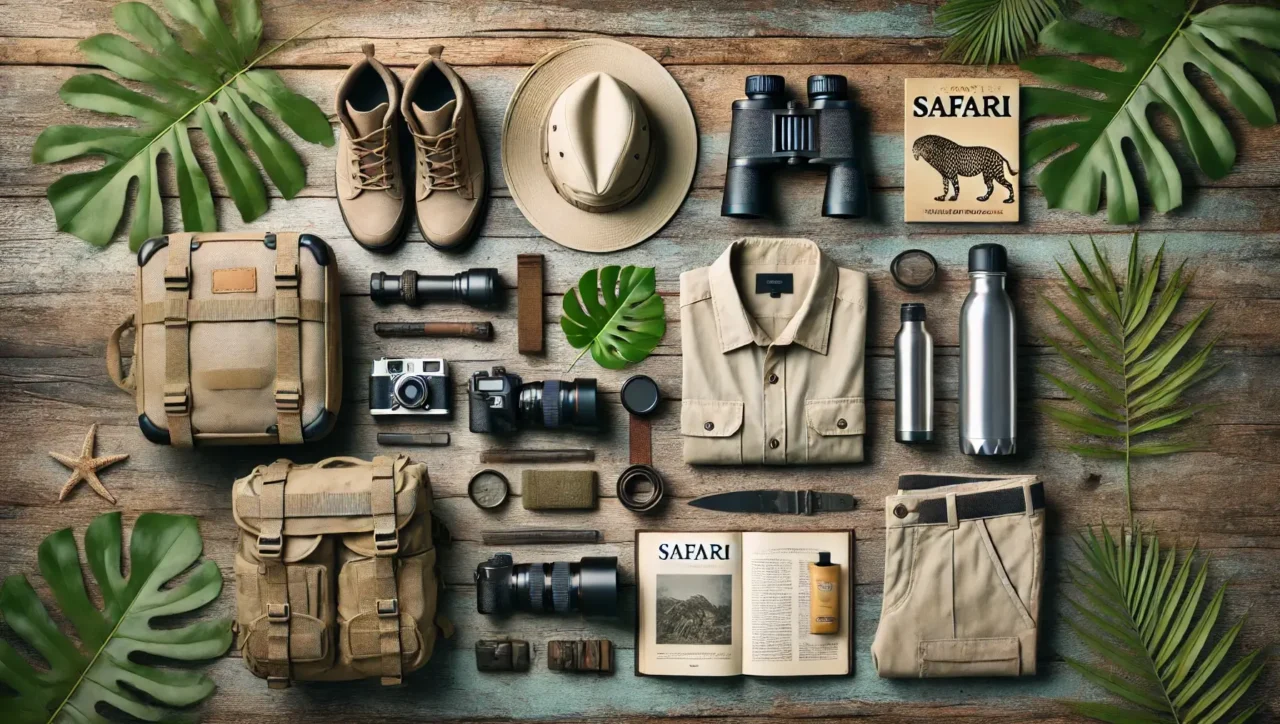
Lightweight clothing, comfortable shoes, a warm layer for cool mornings, sun protection and personal essentials are usually more useful than heavy luggage.
You should also remember that early mornings can be cool in many safari areas, especially during the dry season. Packing clothing that can be layered allows you to remain comfortable as temperatures change throughout the day.
Expecting to See Every Animal on Your Wishlist
Tanzania offers exceptional opportunities to see African wildlife, but a safari takes place in a natural environment. Animals are free to move wherever they choose, and sightings can never be completely guaranteed.
You may hope to see lions, elephants, leopards, cheetahs, rhinos, buffalo, giraffes, zebras and many other species, but nature does not follow a fixed schedule.
Experienced safari guides use their knowledge of animal behavior, tracks, habitats, weather and recent sightings to improve your chances. However, even the most experienced guide cannot control where a wild animal will appear.
The most rewarding approach is to enjoy the entire wildlife experience rather than treating your safari as a checklist.
Failing to Research Your Safari Operator
Choosing the right safari operator is one of the most important parts of planning a Tanzania safari.
Before making a booking, take time to research the company you are considering. Look for clear communication, detailed itineraries, transparent pricing and genuine traveler reviews. It is also worth asking about the experience of the guides, the condition of safari vehicles and how the company handles changes or unexpected situations.
Do not select an operator based solely on a very low price. Your safari involves transportation through remote areas, accommodation bookings, park arrangements and experienced guiding, so reliability and professionalism are extremely important.
A reputable operator should be willing to answer your questions clearly and help you understand why a particular itinerary is suitable for your trip.
Booking Too Late During Popular Safari Periods
Last-minute bookings can sometimes work, but travelers with fixed dates should not assume that their preferred accommodation will always be available.
Popular lodges, camps and certain safari areas can become heavily booked during busy travel periods. Waiting too long may leave you with fewer choices or require you to compromise on accommodation and itinerary.

Planning in advance gives you more opportunity to select the accommodation, route and safari style that best matches your preferences.
However, booking early should not mean booking blindly. Take time to compare options and understand the itinerary before making a commitment.
Trying to Combine Too Much Safari With Zanzibar
Combining a Tanzania safari with a Zanzibar holiday can be an excellent way to experience wildlife and the Indian Ocean on the same trip. However, trying to fit a multi-park safari and a beach holiday into an extremely short vacation can make the journey feel rushed.
Safari involves early mornings, game drives and sometimes long transfers. Zanzibar, on the other hand, is often chosen for relaxation, beaches and a slower pace.
Allowing enough time for both parts of the trip can make the combination much more enjoyable. Rather than trying to see everything, choose a realistic number of safari destinations and leave enough nights in Zanzibar to actually relax.
Ignoring Your Personal Travel Style
There is no single Tanzania safari itinerary that is perfect for everyone.
A wildlife photographer may prefer longer game drives and several nights in one area. A family may prioritize comfortable accommodation and shorter travel periods. A honeymoon couple may be looking for privacy and luxury, while an adventurous traveler may prefer camping and a more flexible itinerary.
This is why your safari should be planned around you.
Before requesting a quotation, think about what matters most to you. Consider your preferred accommodation standard, budget, pace of travel, wildlife interests and whether you want a private or shared experience.
The more clearly you communicate your expectations, the easier it is for your safari operator to create an itinerary that genuinely suits you.
Not Allowing Enough Flexibility for Wildlife
A Tanzania safari is different from a conventional sightseeing holiday because wildlife does not operate according to a timetable.
You may plan to leave an area at a particular time, only to encounter an exciting wildlife sighting just before departure. You may spend time searching for a particular animal without seeing it and then unexpectedly encounter something remarkable elsewhere.
A good itinerary should therefore provide structure while still allowing your guide some flexibility.
Some of the most memorable safari moments are the ones that were never written into the itinerary.

Forgetting Travel Insurance
Travel insurance is another important consideration when planning an international safari holiday.
A suitable policy can help protect travelers against certain unexpected situations, depending on the terms and coverage. Travelers should carefully review whether their insurance covers medical expenses, trip cancellation or interruption, baggage problems and the activities included in their holiday.
Do not simply assume that your existing travel insurance covers every aspect of your Tanzania trip. Check the policy carefully before departure.
Treating a Safari Like an Ordinary Holiday
Perhaps the biggest mistake is approaching a Tanzania safari in exactly the same way as a city break or beach holiday.
Safari can involve early mornings, long game drives, uneven roads, dust, changing temperatures and periods of waiting quietly for wildlife. At the same time, it can provide extraordinary experiences that are difficult to replicate anywhere else.
You might spend an hour searching for wildlife and then suddenly find yourself watching a pride of lions, a herd of elephants or thousands of wildebeest moving across the plains.
Being patient and embracing the natural rhythm of safari can make the experience much more rewarding.
How to Plan a Successful Tanzania Safari
The best way to avoid these common mistakes is to start with your own travel priorities rather than a pre-designed package.
Think about what you want to see, when you want to travel and how much time you have available. From there, choose destinations that make sense for your interests and create an itinerary that does not require you to rush from one park to another.
Your safari operator should then help you select suitable accommodation, transportation and activities while explaining the total cost and what is included.
It is also important to prepare your travel documents, insurance and packing well in advance. Most importantly, maintain realistic expectations. Tanzania’s wildlife is wild and unpredictable, and some of the best moments happen when you least expect them.

Frequently Asked Questions About Planning a Tanzania Safari
What is the biggest mistake to avoid when planning a Tanzania safari?
One of the biggest mistakes is choosing an itinerary without considering the season, wildlife movements and travel distances. A safari should be planned around your travel dates, interests, available time and preferred travel style.
How many days do I need for a Tanzania safari?
The ideal safari length depends on the destinations you want to visit and your overall holiday plans. A shorter safari can focus on a few carefully selected destinations, while a longer trip allows you to spend more time in the Serengeti and explore additional areas without rushing.
What is the best time for a Tanzania safari?
There is no single best month for every traveler. The dry season is popular for general wildlife viewing, while other periods can offer lush landscapes, excellent birdwatching and different wildlife experiences. Travelers interested in the Great Migration should plan according to the expected movement of the herds during their travel dates.
Is Tanzania expensive for a safari?
Tanzania safari prices vary depending on the season, destinations, accommodation, transportation, safari style and number of travelers. Comparing what is included in each quotation is more useful than comparing prices alone.
Should I choose a private or group safari in Tanzania?
A private safari is usually more suitable for travelers who want greater flexibility and a personalized experience. A group safari can be a good option for travelers who want to reduce costs and do not mind sharing a vehicle with other guests.
Is it worth spending several nights in the Serengeti?
For travelers whose main priority is wildlife, spending several nights in the Serengeti can be highly worthwhile. The park is vast, and additional time allows you to explore more areas and increases your opportunities for wildlife encounters.
Can I combine a Tanzania safari with Zanzibar?
Yes. A Tanzania safari and Zanzibar holiday can work very well together. The safari provides a wildlife experience while Zanzibar offers beaches, culture and time to relax. The key is allowing enough time for both parts of the holiday.
Can a Tanzania safari guarantee seeing the Big Five?
No responsible safari operator can guarantee specific wildlife sightings. Tanzania provides excellent opportunities to see the Big Five, but animals move freely through their natural environment and sightings depend on many factors.
How far in advance should I book a Tanzania safari?
Travelers with fixed dates, particularly during popular travel periods, should consider planning well in advance. Early planning provides more choice of accommodation and itineraries and gives you more time to compare safari operators.
Final Thoughts
Planning a Tanzania safari should not be about trying to fit as many parks, activities and experiences as possible into one holiday. A successful safari is one that matches your interests, budget, travel dates and preferred pace.
Avoiding common mistakes such as choosing the wrong season, rushing between destinations, selecting accommodation without considering its location, comparing operators based only on price and expecting guaranteed wildlife sightings can make a significant difference to your overall experience.
Take the time to understand Tanzania’s destinations and seasons, communicate your expectations clearly and choose an itinerary that gives you enough time to enjoy each place.
With thoughtful planning and the support of an experienced Tanzania safari operator, your holiday can become a relaxed, rewarding and unforgettable journey through some of Africa’s most remarkable wildlife landscapes.