
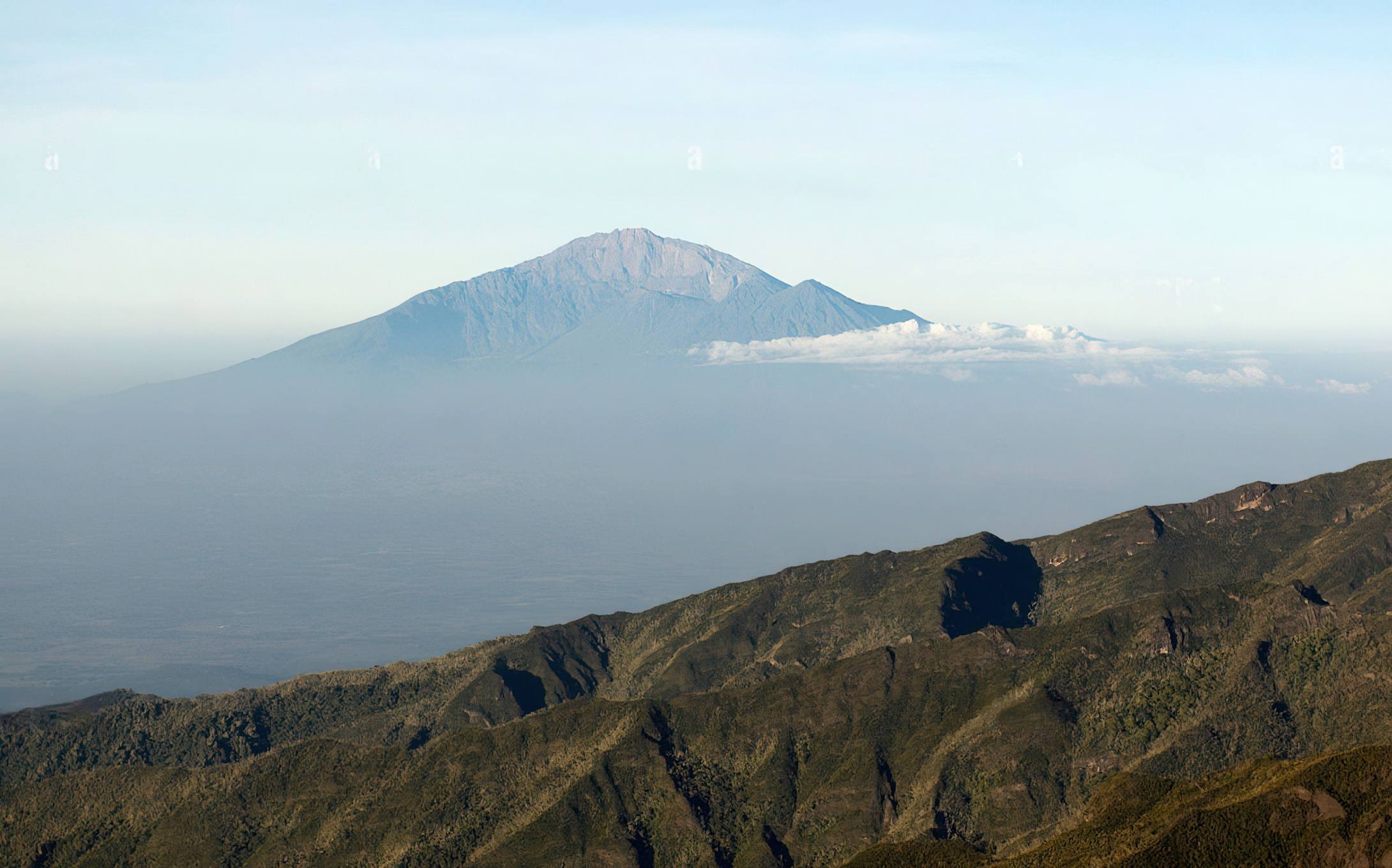
Discover the best time to climb Mount Meru, including dry and rainy seasons, monthly weather, Kilimanjaro views, trail conditions and trekking tips.
Mount Meru is one of Tanzania’s most rewarding mountain trekking destinations and an excellent choice for travelers looking for a challenging adventure beyond Mount Kilimanjaro. Rising to approximately 4,566 meters (14,980 feet), Mount Meru is located inside Arusha National Park, where the trek combines mountain scenery, volcanic landscapes, montane forest, wildlife and panoramic views toward Mount Kilimanjaro on clear days.
One of the most important questions travelers ask when planning a Mount Meru trek is: What is the best time to climb Mount Meru?
Mount Meru can be climbed during much of the year, but seasonal weather can significantly influence trail conditions, visibility, temperatures and the overall trekking experience. In general, the most favorable periods are June to October and December to February, when conditions are typically drier and visibility is often better.
For travelers planning a private Mount Meru trek with Animalia Treks and Safaris, choosing the right season can help you prepare appropriately and make the most of the mountain’s distinctive scenery.
When Is the Best Time to Climb Mount Meru?
The best time to climb Mount Meru is generally during the dry seasons, particularly from June to October and December to February.
These periods normally provide better trekking conditions, with less rainfall, firmer trails and improved opportunities for clear views. The June-to-October period is the longer dry season, while January and February form another favorable window between the main rainy periods.
The exact weather can vary from year to year, however, and conditions on a 4,500-meter mountain can change quickly. Even during the dry season, climbers should carry waterproof and warm clothing because mountain weather is not always predictable.
Current information from Arusha National Park identifies June–October and December–February as favorable periods for climbing Mount Meru, while the long rains from March to May can make trails wetter and more difficult.
Mount Meru Climbing Seasons at a Glance
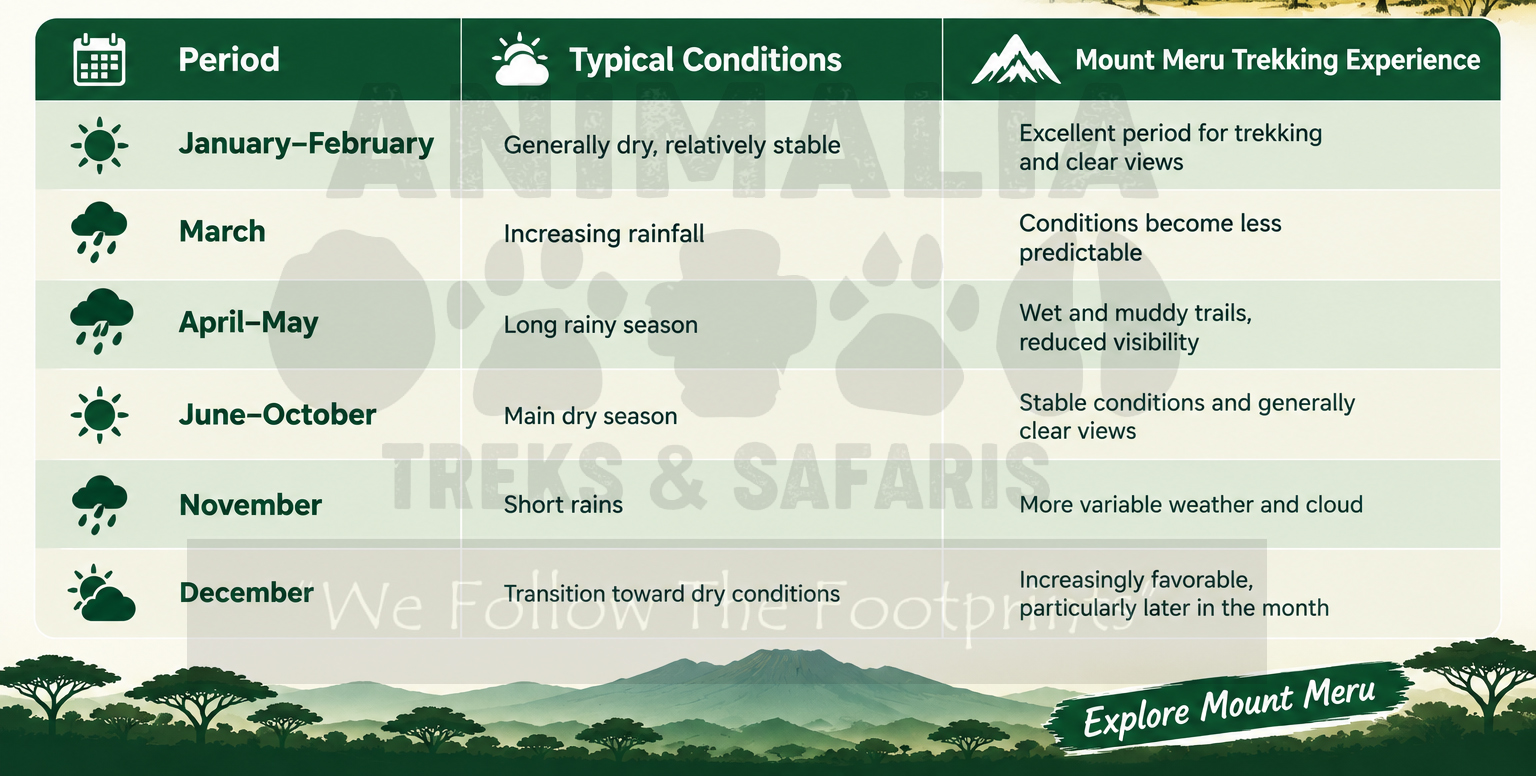
These are general seasonal patterns rather than guarantees. Mount Meru has its own high-altitude weather, and conditions can differ between the lower forest, Saddle area and summit.
Climbing Mount Meru From June to October
The Main Dry Season
June to October is one of the most popular periods for climbing Mount Meru.
During these months, rainfall is generally lower and trekking conditions are often more predictable. The trails can be firmer, while clearer mornings provide excellent opportunities to appreciate the surrounding landscapes.
The dry season is particularly attractive for climbers who want to combine Mount Meru with a Tanzania safari. The period also falls within the popular northern Tanzania travel season, making it possible to create an itinerary combining mountain trekking and wildlife viewing.
The higher you climb, however, the more important temperature becomes. Although daytime conditions around the lower mountain can feel comfortable, temperatures fall considerably at higher elevations. The summit zone can experience frost and temperatures around or below freezing, even when conditions in Arusha are warm.
Why June to October Is Popular
One of the biggest advantages of this period is the combination of relatively dry trails and improved visibility.
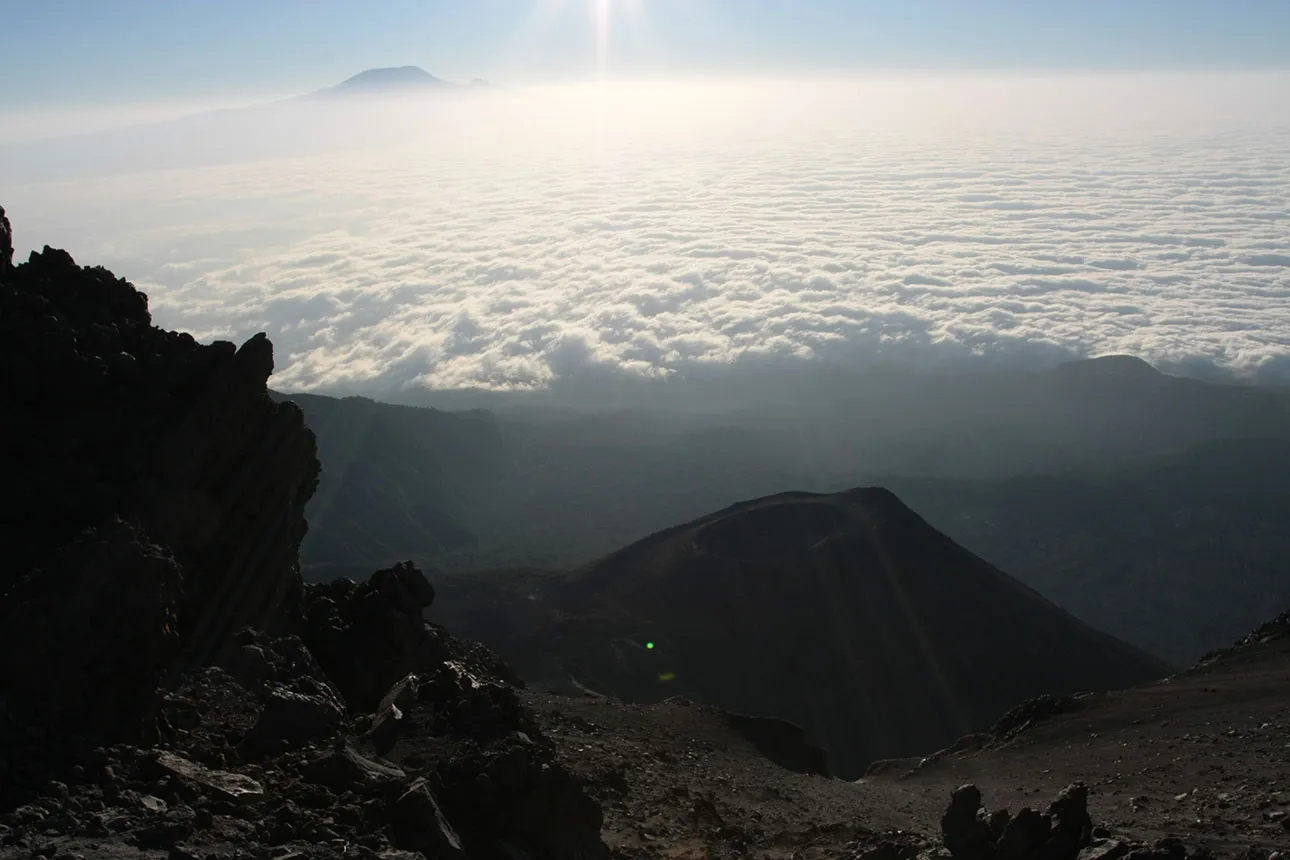
Clear mornings can reveal spectacular views across northern Tanzania, including views toward Mount Kilimanjaro. The summit ascent begins during the night, so weather conditions around dawn are particularly important for travelers hoping to see Kilimanjaro from Mount Meru.
The dry season can also make the lower forest sections more comfortable because climbers are less likely to encounter persistent rainfall and muddy conditions.
Climbing Mount Meru in January and February
The Short Dry Season
January and February provide another excellent window for a Mount Meru climb.
After the short rains of November and December, conditions often become drier before the longer rains arrive later in March. Travelers can enjoy green landscapes, relatively favorable trail conditions and good opportunities for clear mountain views.
For photographers and travelers particularly interested in seeing Mount Kilimanjaro from Mount Meru, January and February can be attractive because clear mornings can provide impressive views toward the neighboring mountain. Current regional guidance identifies December through February as a particularly favorable period for visibility toward Kilimanjaro.
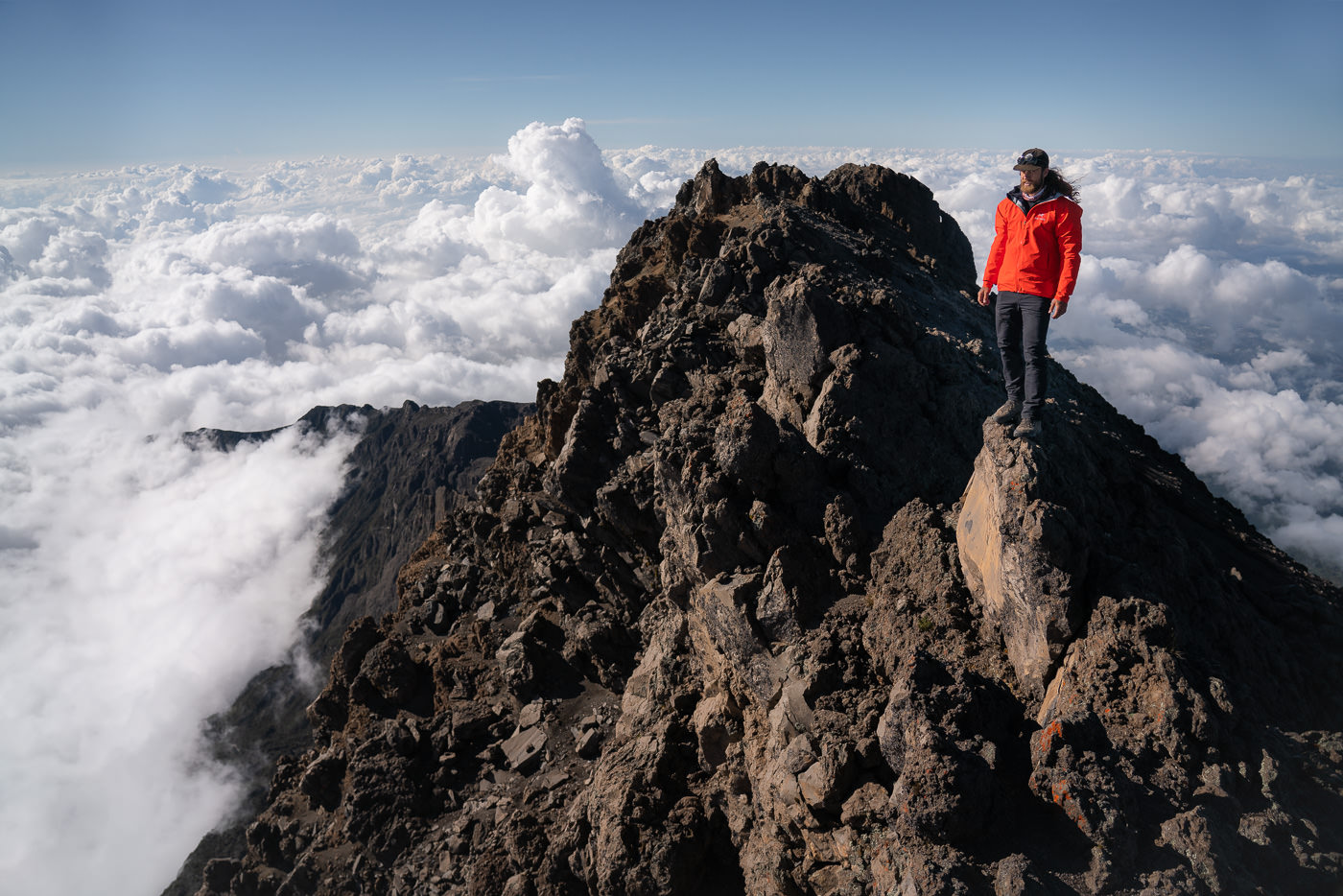
January and February can also be appealing if you want to combine your trek with a northern Tanzania safari.
Is December a Good Time to Climb Mount Meru?
December can be a good month for Mount Meru, although weather can be more variable than during the core June-to-October dry season.
The month falls around the transition from the short rains toward the early-year drier period. Later December can provide increasingly favorable conditions, but climbers should still prepare for the possibility of showers and cloud.
If your travel dates are fixed around the Christmas and New Year period, a Mount Meru trek can be combined with a Tanzania safari or a Kilimanjaro adventure.
Because December is also a popular holiday travel period, it is sensible to arrange accommodation, trekking permits and other logistics in advance.
What About Climbing Mount Meru in March?
March is a transitional month.
Early March can sometimes provide reasonable trekking conditions, while rainfall becomes increasingly important as the month progresses. Because weather patterns can vary, travelers planning a March trek should discuss current conditions with their trekking operator before finalizing their plans.
If your main priority is the most predictable combination of dry trails and clear visibility, the established dry-season windows are generally easier to plan around.
Climbing Mount Meru During the Long Rains: April and May
April and May fall within Tanzania’s main rainy period and are generally the most challenging months for travelers seeking dry and predictable trekking conditions.
Rain can make forest trails wet and muddy, while cloud and mist can reduce visibility. Wet conditions can also make steep sections of the mountain more demanding.
The landscape during the rainy season can nevertheless be exceptionally green and atmospheric. Travelers who prioritize lush scenery and a quieter mountain experience may find this season interesting, but they should be prepared for wetter conditions.
For climbers whose primary objective is comfortable trekking and reliable summit visibility, June to October or January and February generally provide more favorable conditions.
Current Mount Meru guidance identifies March–May as the long-rain period and specifically notes the increased likelihood of muddy trails and poorer visibility during these months.
Is November a Good Month to Climb Mount Meru?
November is associated with Tanzania’s shorter rainy period.
Rainfall can be more variable than during the main dry season, and clouds may affect mountain views. However, conditions are not necessarily the same every day, and a November trek can still be possible with appropriate preparation.
Travelers considering November should be comfortable with a greater possibility of wet trails and changing weather.
If having the highest likelihood of dry trekking conditions is your priority, June to October or January to February are generally more suitable periods.
Mount Meru Weather and Altitude
Understanding Mount Meru’s weather requires more than looking at temperatures in Arusha.
The mountain passes through several ecological and climatic zones as you gain altitude. Conditions in the lower forest can be considerably warmer than those near the summit.
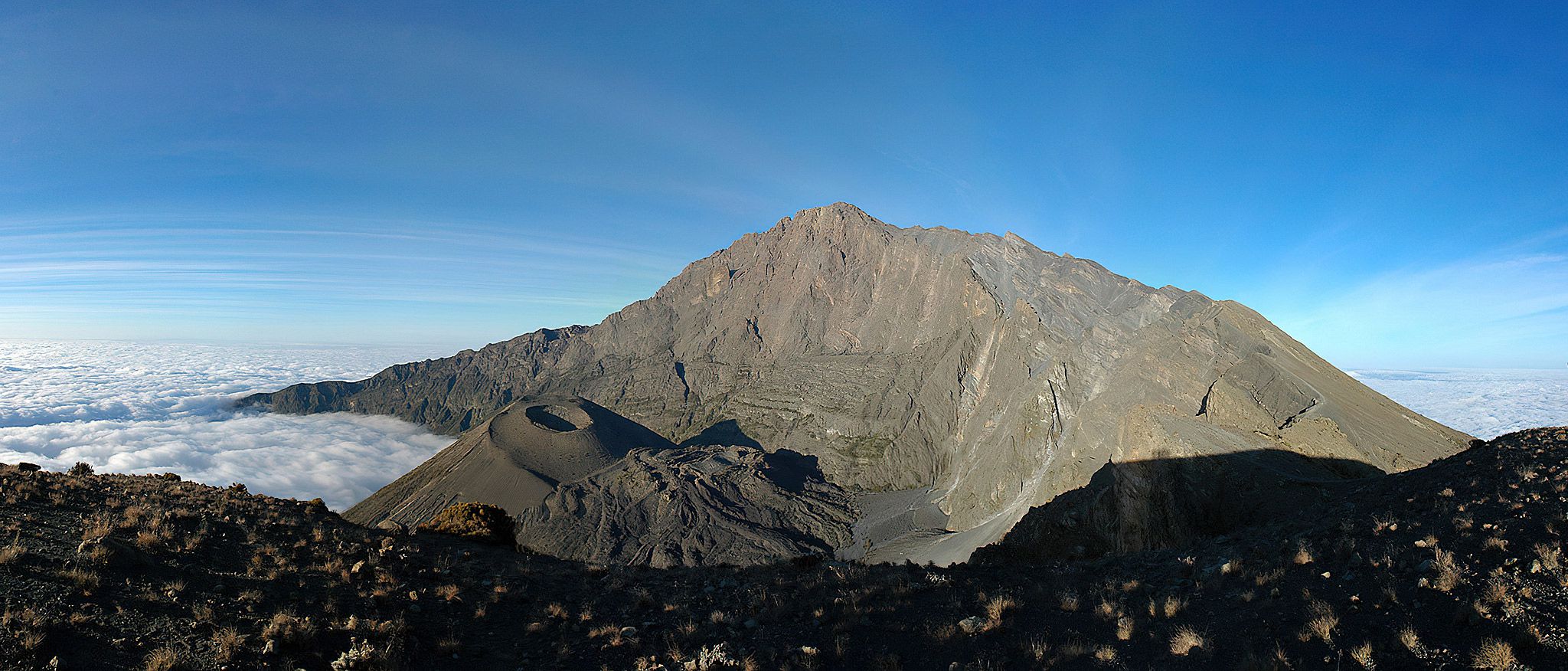
At the sub-alpine and moorland elevations around Saddle Hut, temperatures can become much cooler, while the summit zone can experience frost and temperatures close to or below freezing. Arusha National Park’s current climate information gives typical summit-zone temperatures of approximately 5–12°C during the day and around -2–2°C at night, although actual conditions can vary.
This is why a Mount Meru packing list should include both lightweight clothing for lower elevations and proper cold-weather equipment for the summit attempt.
Why Clear Weather Matters on Mount Meru
Weather affects much more than comfort during a Mount Meru trek.
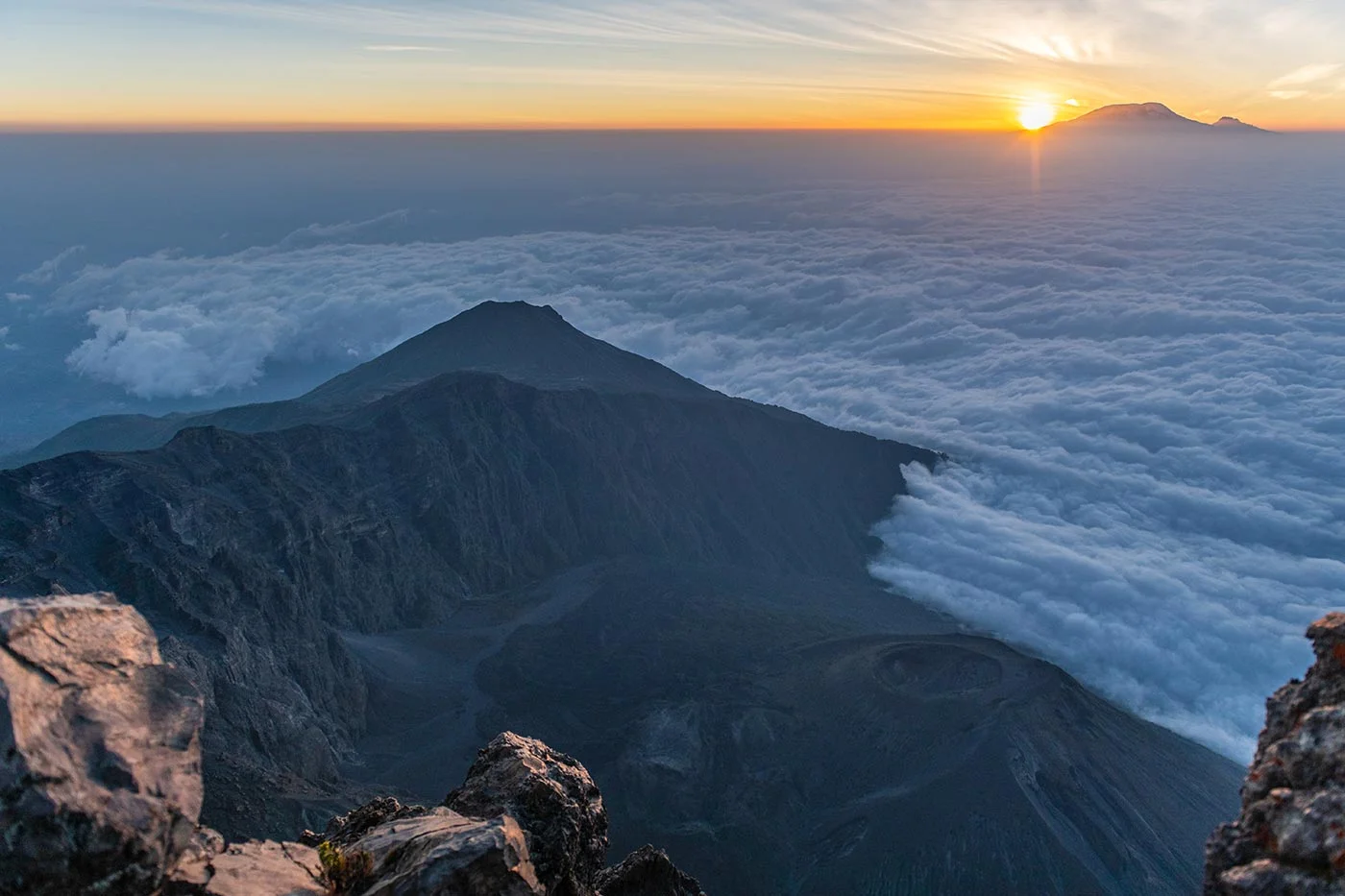
Clear weather can dramatically improve the views from the mountain. On a good summit morning, climbers may see the surrounding plains, volcanic terrain and Mount Kilimanjaro in the distance.
Cloud and mist, on the other hand, can hide these views even when the climb itself remains possible.
This is one reason the dry seasons are so popular. Better visibility can make a major difference to the photographic and scenic experience.
However, clear skies should never be guaranteed. Mount Meru is a high mountain, and weather can change rapidly regardless of the month.
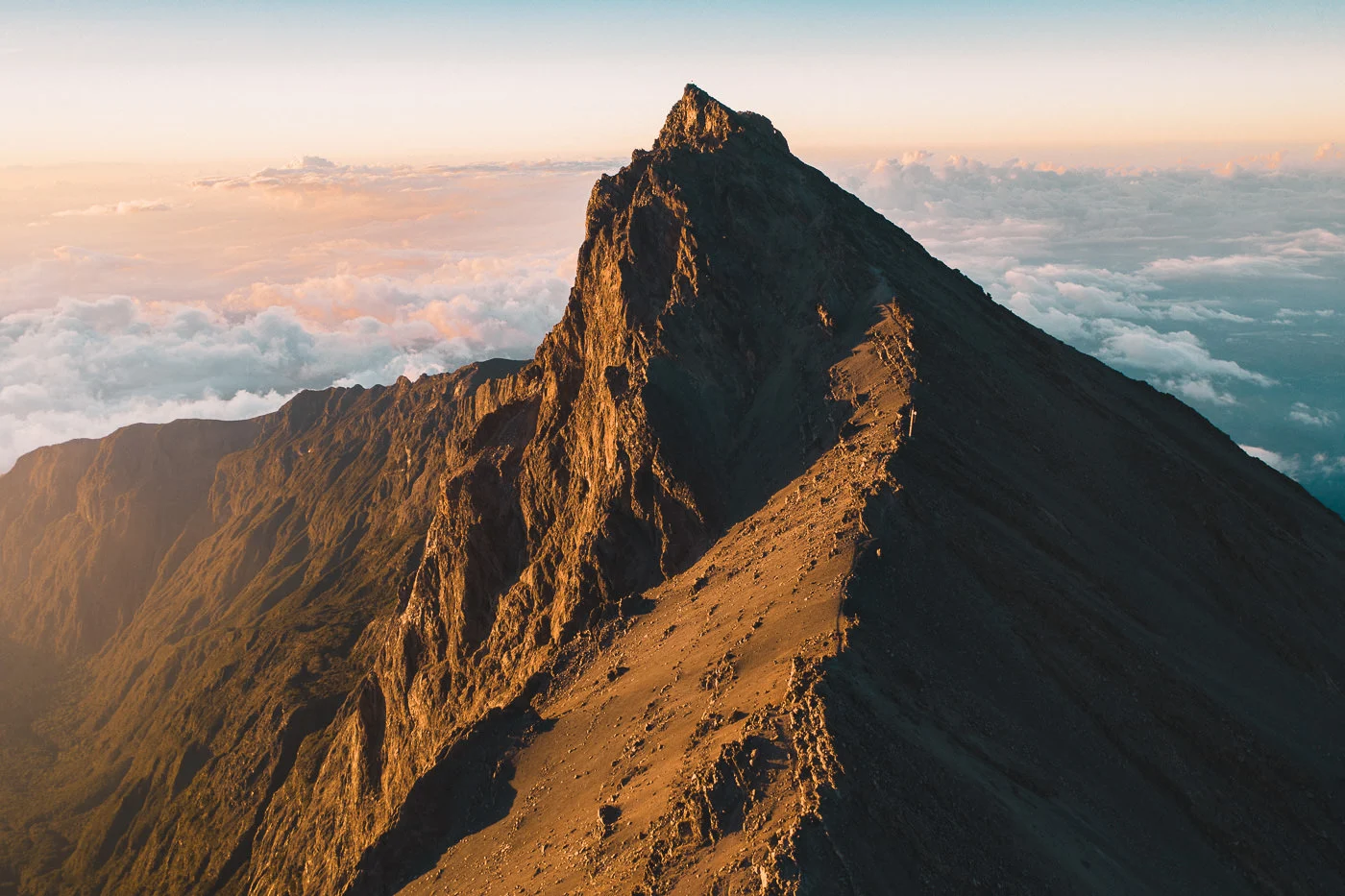
Mount Meru and Views of Mount Kilimanjaro
One of the unique attractions of climbing Mount Meru is the possibility of seeing Mount Kilimanjaro from the summit and upper slopes.
On clear mornings, Kilimanjaro can appear dramatically across the surrounding landscape.
January and February are often highlighted as particularly favorable months for clear views toward Kilimanjaro, while June to October also provides generally good visibility.
If photographing Kilimanjaro from Mount Meru is an important part of your trip, discuss your preferred travel dates with your trekking operator and remember that mountain weather can never be completely guaranteed.
Wildlife on a Mount Meru Trek
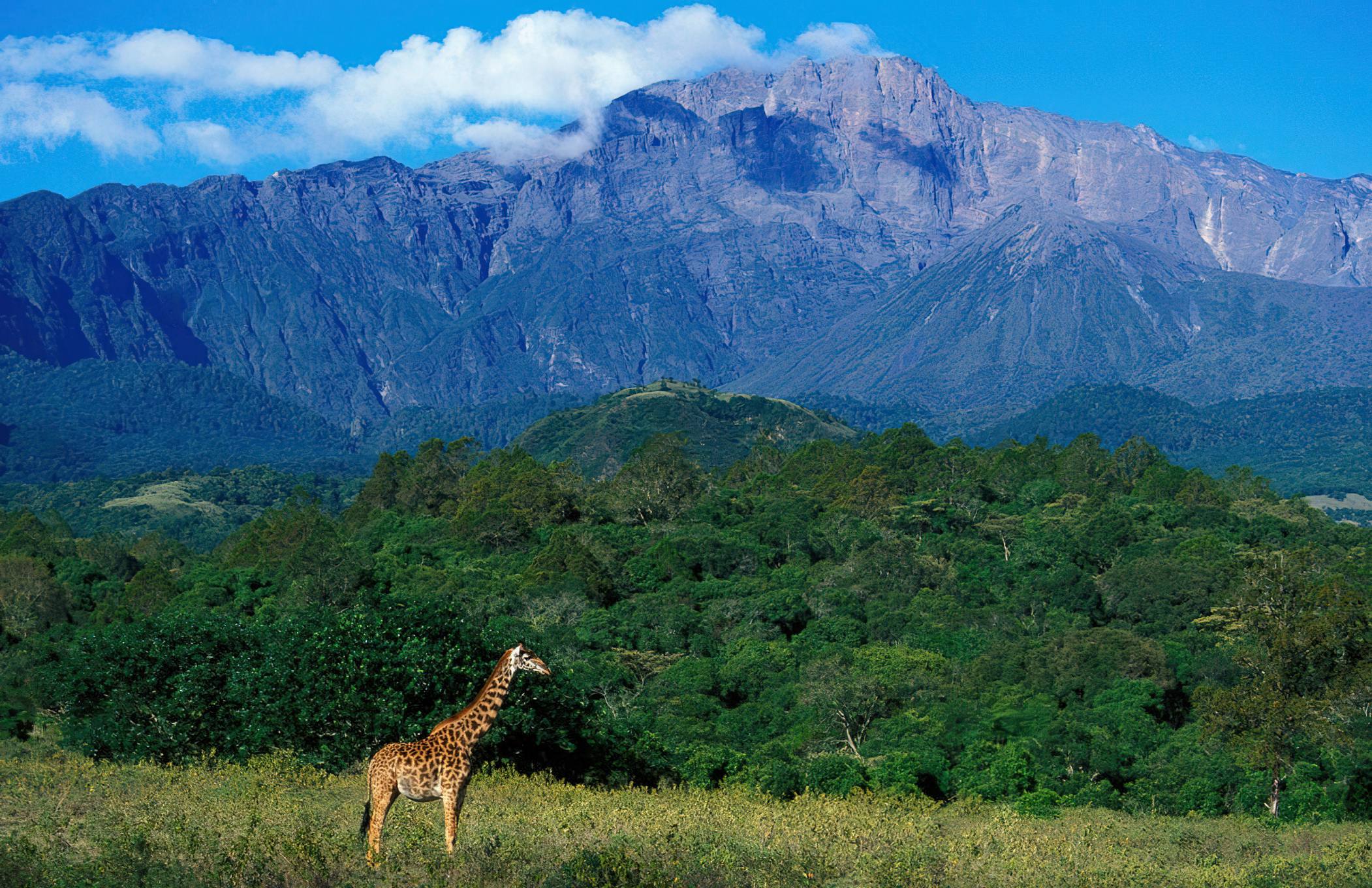
Mount Meru offers something that makes it particularly different from many high-altitude mountain experiences: wildlife can be encountered during the trek.
The mountain lies within Arusha National Park, and the lower slopes include forest and other habitats where travelers may encounter wildlife.
Giraffes, buffalo and colobus monkeys are among the animals associated with the mountain’s lower areas.
This combination of wildlife and mountain trekking makes Mount Meru an interesting experience for travelers who want more than a conventional summit climb.
Because wildlife is present, climbers must follow park regulations and the instructions of their guides and rangers throughout the trek.
Does the Season Affect Wildlife Viewing?
Season can influence the appearance of the landscape and animal activity, although wildlife encounters are never guaranteed.
During wetter periods, vegetation can become particularly lush, while the dry season can create different wildlife-viewing conditions around the park.
The main attraction of a Mount Meru climb remains the mountain itself, but the possibility of encountering wildlife adds another dimension to the journey.
If you want to combine your trek with more extensive wildlife viewing, Animalia can also help plan a separate safari in Tanzania’s northern safari circuit.
Best Time to Climb Mount Meru for Beginners
For travelers attempting Mount Meru for the first time, the dry seasons can make logistical planning easier.
June to October and January to February generally provide more favorable trail conditions than the main rainy period. Drier trails can make steep and rocky sections easier to negotiate, while improved visibility can make navigation and scenery more enjoyable.
However, choosing the best month is only one part of preparing for Mount Meru.
Fitness, acclimatization, appropriate clothing, hydration, pacing and listening to your mountain guide are all important regardless of when you climb.
Mount Meru reaches approximately 4,566 meters, so altitude remains a significant consideration even during favorable weather.
Best Time to Climb Mount Meru Before Kilimanjaro
Mount Meru is sometimes included in a Tanzania itinerary before a Mount Kilimanjaro climb.
This combination can give travelers an opportunity to experience a high-altitude mountain environment before attempting Kilimanjaro.
A Mount Meru trek also provides a completely different landscape, with forest, wildlife, volcanic terrain and views toward Kilimanjaro.
If you are considering both mountains, the itinerary should be planned carefully to allow sufficient recovery time between climbs.
Animalia Treks and Safaris can help arrange the sequence according to your available travel dates, preferred routes and overall Tanzania itinerary.
Should You Climb Mount Meru During the Rainy Season?
A rainy-season climb is possible, but it requires greater preparation and flexibility.
Wet conditions can make trails slippery, muddy and more physically demanding. Cloud can also reduce visibility, while rain combined with high-altitude temperatures can make the trek less comfortable.
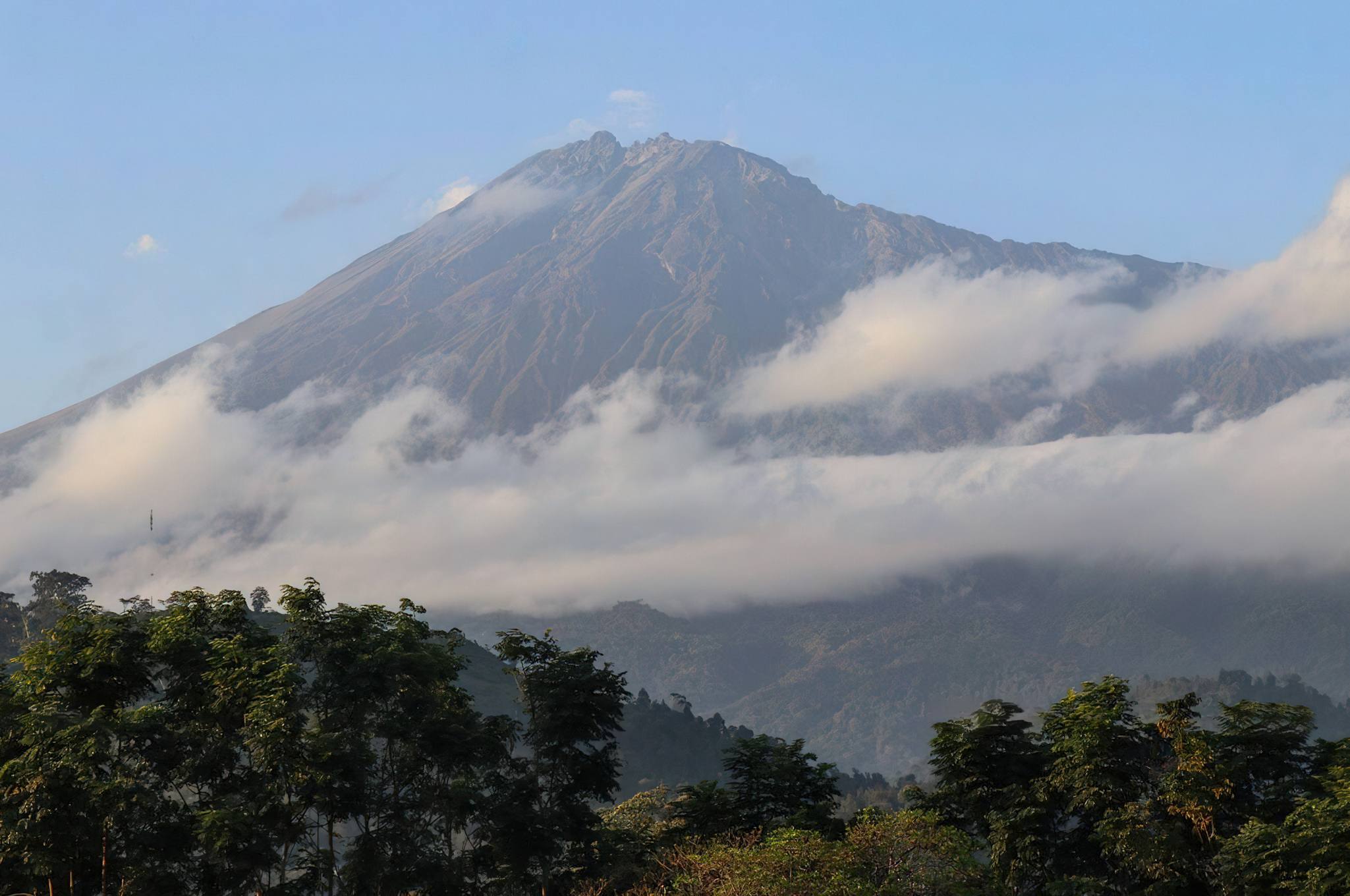
Some experienced travelers may deliberately choose the wetter season because they prefer quieter trails, greener landscapes or have fixed travel dates.
If you choose this period, proper waterproof clothing, suitable hiking boots, spare socks and careful preparation become particularly important.
For travelers who have flexibility, the drier months generally provide easier conditions for planning a Mount Meru trek.
Does the Time of Year Affect the Difficulty of Mount Meru?
Mount Meru is a physically demanding mountain regardless of the season.
However, weather can influence how difficult the trail feels.
A dry trail can provide better footing, while mud and wet rocks can increase physical effort during rainy periods. Cold, wind and poor visibility can also make the summit section more demanding.
Therefore, seasonal conditions should be considered alongside your fitness level and previous hiking experience when choosing your travel dates.
What Should You Pack for Mount Meru?
Your Mount Meru packing list should account for changing temperatures and weather.
Regardless of the season, bring suitable hiking boots, moisture-wicking layers, warm clothing, a waterproof jacket, gloves, a warm hat, sun protection and sufficient water capacity.
During the wetter months, waterproof protection becomes even more important. During the dry season, you should still carry rain protection because conditions can change rapidly at altitude.
A good layering system allows you to adjust your clothing as temperatures change during the climb.
How Many Days Does It Take to Climb Mount Meru?
Mount Meru is commonly climbed over several days, allowing trekkers to move gradually through the mountain’s different ecological zones before making the summit attempt.
A longer itinerary generally provides more time for acclimatization and a less rushed experience.
Animalia Treks and Safaris can recommend an itinerary based on your fitness level, previous trekking experience and whether you plan to combine Mount Meru with Kilimanjaro or a Tanzania safari.
Can You Combine Mount Meru With a Tanzania Safari?
Yes. Mount Meru’s location inside Arusha National Park makes it particularly convenient to combine with a northern Tanzania safari.
A longer Tanzania holiday could include:
Mount Meru → Tarangire → Ngorongoro → Serengeti
Alternatively, travelers can combine Mount Meru with Kilimanjaro and then continue to the safari circuit.
The exact order can be customized according to your international flights, trekking dates, safari interests and available vacation time.
Can You Combine Mount Meru With Kilimanjaro?
Yes. Mount Meru and Kilimanjaro can be combined in the same Tanzania adventure.
For travelers with sufficient time, climbing Mount Meru first can provide an opportunity to experience another major Tanzanian mountain before tackling Kilimanjaro.
The two mountains offer different experiences. Mount Meru provides wildlife encounters, volcanic landscapes and views toward Kilimanjaro, while Kilimanjaro is Africa’s highest mountain.
When combining the two, sufficient recovery time and a carefully planned itinerary are important.
Choosing the Right Month for Your Mount Meru Trek
The best month depends on what you want from the experience.
If you prioritize dry trails and generally stable weather, June to October is a strong period to consider.
If you want favorable early-year conditions and potentially excellent Kilimanjaro visibility, January and February can be attractive.
If you prefer green landscapes and don’t mind a greater chance of rain, the wetter months may offer a different experience, but you should be prepared for more challenging trail conditions.
For travelers with flexible dates, choosing one of the main dry periods generally makes planning easier.
Month-by-Month Mount Meru Climbing Guide
January
January is part of the short dry period and can provide favorable trekking conditions, with generally good visibility and relatively dry trails.
February
February is another favorable month, particularly for travelers interested in clear mountain views and combining Mount Meru with other northern Tanzania experiences.
March
March is a transition month. Conditions can become increasingly wet as the long rains approach, so travelers should expect greater weather variability.
April
April falls within the main rainy period. Wet trails, mud and cloud can make the climb more challenging.
May
May remains part of the long-rain period. The landscape can be beautifully green, but trekking conditions are generally wetter.
June
June marks the beginning of the main dry season and can provide increasingly favorable trekking conditions.
July
July is within the dry season, with generally favorable conditions for mountain trekking and good opportunities for clear views.
August
August is a popular dry-season month. Travelers can expect cooler high-altitude conditions and generally favorable trail conditions.
September
September continues the dry season and can provide good visibility and comfortable trekking conditions, although summit temperatures remain cold.
October
October is still within the main dry period, although weather patterns begin transitioning toward the shorter rains later in the year.
November
November can bring short rains and more variable weather. Climbers should be prepared for showers, cloud and wetter trails.
December
December is a transition month. Conditions can vary, but the later part of the month can become increasingly favorable as the short dry period approaches.
Best Time to Climb Mount Meru: Quick Summary
For most travelers, the two main periods to consider are:
June to October: The main dry season, generally offering favorable trail conditions, cooler weather and good visibility.
January to February: The short dry period, often providing good trekking conditions and attractive opportunities for clear views toward Kilimanjaro.
March to May: The main rainy period, when trails can become muddy and visibility can be reduced.
November to December: A more variable period associated with the short rains and transition toward the early-year dry season.
These seasonal patterns should be treated as general guidance rather than guarantees. Mountain weather can change quickly, and current conditions should always be considered before departure.
Plan Your Mount Meru Trek With Animalia Treks and Safaris
Choosing the right time of year is an important part of planning your Mount Meru adventure, but it is only one part of a successful trek.
Your route, number of trekking days, physical preparation, equipment, accommodation, transfers and acclimatization strategy all contribute to the overall experience.
Animalia Treks and Safaris can help you plan a Mount Meru climbing adventure around your preferred travel dates and combine your trek with other Tanzania experiences, including Kilimanjaro climbing and wildlife safaris.
Whether you are planning Mount Meru as a standalone mountain adventure, a preparation trek before Kilimanjaro, or part of a longer Tanzania holiday, choosing a suitable season can help you make the most of the mountain’s forests, volcanic landscapes, wildlife and spectacular views.
Frequently Asked Questions About the Best Time to Climb Mount Meru
What is the best month to climb Mount Meru?
June to October and January to February are generally the most favorable periods. These months typically offer drier conditions and better visibility than the main rainy season.
Can Mount Meru be climbed all year?
Mount Meru can be climbed outside the main dry seasons, but weather conditions vary. The long rains from March to May can make trails wetter and more difficult, while November and parts of December can experience short rains.
Is June a good month to climb Mount Meru?
Yes. June marks the beginning of the main dry season and can provide increasingly favorable conditions for trekking.
Is July a good time to climb Mount Meru?
Yes. July falls within the main dry season and generally provides favorable conditions, although temperatures at higher elevations can be cold.
Is January a good month for Mount Meru?
Yes. January is part of the short dry period and can offer good trekking conditions and visibility.
Is February a good month to climb Mount Meru?
Yes. February is generally considered one of the favorable months, particularly for travelers interested in clear views toward Mount Kilimanjaro.
Can I climb Mount Meru in April or May?
You can plan a climb during these months, but they fall within the main rainy period. Trails can become muddy and visibility may be reduced, so travelers should be prepared for more challenging weather.
When can I get the best views of Kilimanjaro from Mount Meru?
Clear conditions during January and February and the June-to-October dry season can provide good opportunities for views of Mount Kilimanjaro. However, mountain visibility can never be guaranteed.
Is Mount Meru colder during the dry season?
Higher elevations can be very cold regardless of season. Summit-zone temperatures can fall close to or below freezing, so warm clothing is necessary even during Tanzania’s dry season.
Can I combine Mount Meru with Kilimanjaro?
Yes. Mount Meru can be included in a longer Tanzania itinerary together with Kilimanjaro, safari destinations and Zanzibar.